محركات التيار المستمر عديمة الفرش مقابل محركات التيار المستمر ذات الفرش: المزايا والعيوب وكيفية اختيار مصممي المنتجات
يعتمد اختيار محركات التيار المستمر ذات الفرش أو بدون فرش على المنتج ككل، وليس على خيار واحد يناسب الجميع. تستخدم محركات التيار المستمر ذات الفرش فرشًا ومبدلًا للتبديل الميكانيكي، بينما تستخدم محركات التيار المستمر بدون فرش (BLDC) التبديل الإلكتروني، وبالتالي فهي تحتاج إلى وحدة تحكم أو مشغل متوافق.
اختر محركًا ذو فرش عندما تكون سهولة التشغيل، ودورة التشغيل المعتدلة، وسهولة الصيانة أهم من التحكم المتقدم. اختر محركًا بدون فرش عندما تبرر ساعات التشغيل الطويلة، والتحكم في السرعة المتغيرة، وانخفاض تكلفة صيانة الفرش، والتكامل مع الإلكترونيات، الحاجة إلى وحدة تحكم إضافية وجهود التحقق.
ينبغي على مصممي المنتجات مقارنة متطلبات عزم الدوران والسرعة، وساعات التشغيل، وبدء التشغيل، وأهداف الضوضاء والتوافق الكهرومغناطيسي، والحدود الحرارية، وتكلفة دورة الحياة، وقدرات البرامج، والمصادر، واستراتيجية الخدمة في ظل نفس ظروف التطبيق.
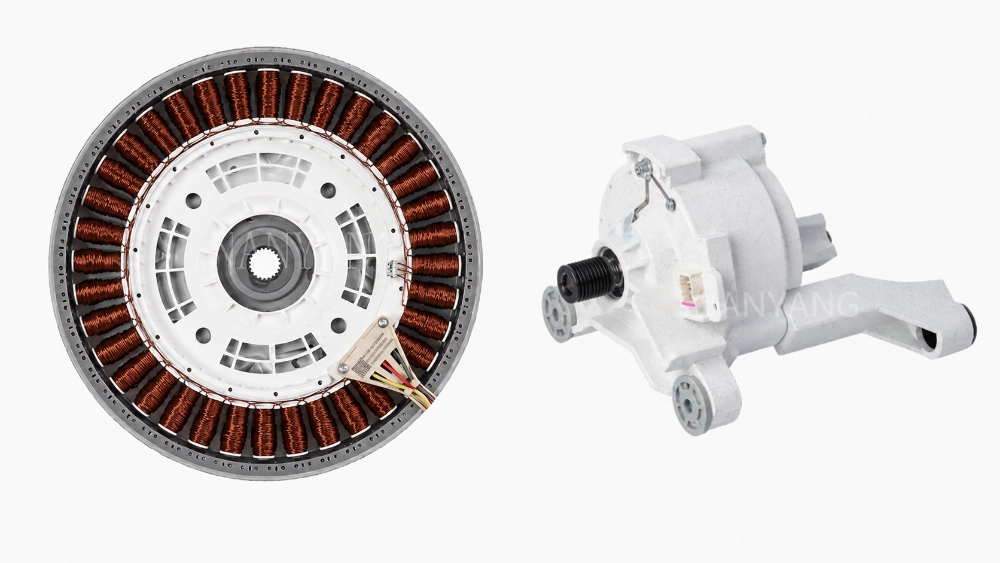
مقارنة سريعة بين محركات التيار المستمر عديمة الفرش ومحركات التيار المستمر ذات الفرش
|
عامل |
محرك تيار مستمر ذو فرشاة |
محرك BLDC |
الآثار المترتبة على التصميم |
|
تخفيف |
تقوم الفرش والمبدل بتبديل التيار ميكانيكياً. |
تقوم الأجهزة الإلكترونية بفصل التيار الكهربائي. |
يتطلب محرك التيار المستمر بدون فرش طريقة قيادة وتحكم متطابقة. |
|
يرتدي |
من المتوقع أن تتعرض الفرش للتلف مع الاستخدام. |
لا يوجد تآكل في نقاط تلامس الفرشاة؛ المحامل والإلكترونيات لا تزال تتقادم. |
استخدم دورة التشغيل الفعلية وعمر الخدمة المستهدف. |
|
يتحكم |
قد يكون التحكم البسيط بالجهد أو تعديل عرض النبضة كافياً. |
يدعم برمجة السرعة وعزم الدوران وسلوك الحماية. |
تعتمد جودة التحكم على المحرك، وأجهزة الاستشعار، والبرمجيات. |
|
الضوضاء والتداخل الكهرومغناطيسي |
يمكن أن يؤدي التلامس مع الفرشاة إلى حدوث ضوضاء كهربائية وصوتية. |
لا يوجد تلامس مع الفرشاة، ولكن مصادر التبديل والمصادر الميكانيكية لا تزال قائمة. |
اختبر التوافق الكهرومغناطيسي والصوتيات في المنتج النهائي. |
|
تكلفة النظام |
يمكن تبسيط المحرك ونظام الدفع الأساسي. |
يشمل ذلك أعمال التحكم والبرمجيات والأسلاك والتحقق من الصحة. |
قارن بين التكلفة الإجمالية للتركيب وتكلفة دورة الحياة. |
|
الأنسب |
منتجات أساسية ذات مهام أقصر، أو تجميعات قابلة للصيانة. |
منتجات إلكترونية متكاملة، طويلة الأمد، ذات سرعة متغيرة. |
يعتمد الاختيار على التطبيق، وليس على الملصق. |
كيف تعمل محركات التيار المستمر ذات الفرش والمحركات عديمة الفرش؟
بنية محرك التيار المستمر ذو الفرش
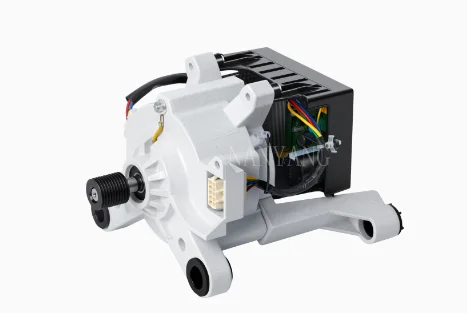
يُغذي محرك التيار المستمر ذو الفرشات التيار إلى العضو الدوار عبر فرشات تتصل بمبدل التيار. يعكس مبدل التيار اتجاه التيار في ملفات العضو الدوار أثناء دورانه. يُسهّل هذا التبديل الميكانيكي عملية تصميم نظام القيادة الخارجي للمنتجات التي تتطلب تحكمًا أساسيًا في السرعة أو الاتجاه.
يُسبب تلامس الفرشاة أيضًا احتكاكًا وتآكلًا وجزيئات وضوضاء كهربائية ناتجة عن التبديل. يعتمد عمر الفرشاة على التيار والسرعة وعدد مرات التشغيل ودرجة الحرارة والتلوث ودورة التشغيل وحالة المبدل، لذا لا يمكن لملصق الكتالوج تحديد العمر الافتراضي للمنتج النهائي.
تصميم محرك BLDC
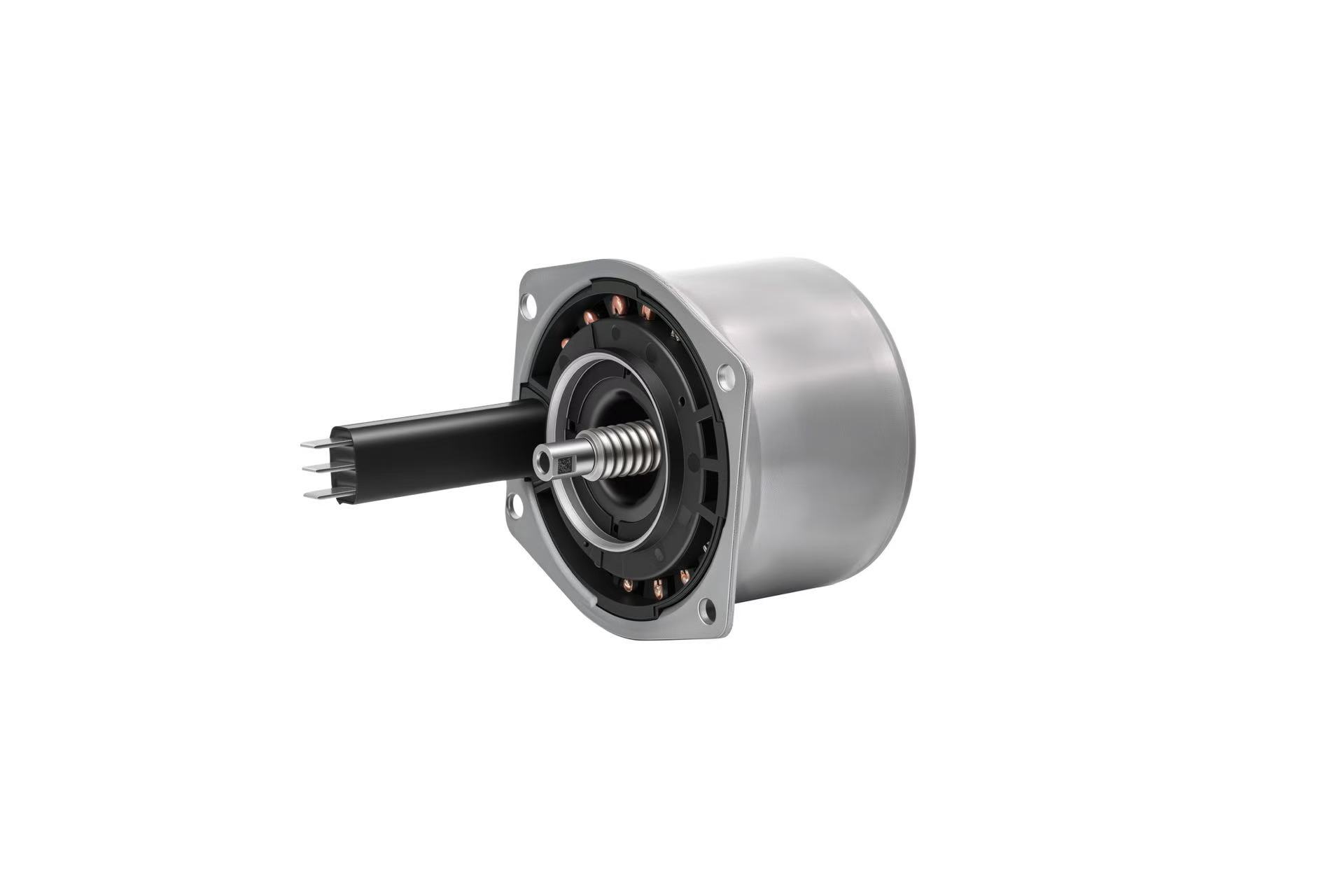
يستخدم محرك التيار المستمر بدون فرش مغناطيسات دائمة على الدوار وأطوار ثابتة يتم التحكم بها إلكترونيًا. يقوم المتحكم بتقدير أو قياس موضع الدوار وتنشيط الأطوار بالتتابع. يمكن استخدام مستشعرات هول، أو مشفر، أو كشف القوة الدافعة الكهربائية العكسية، أو أي طريقة تغذية راجعة أخرى وفقًا لمتطلبات بدء التشغيل والسرعة المنخفضة والتحكم.
يؤدي هذا إلى إزالة نقطة تلامس الفرشاة، ولكنه يجعل وحدة التحكم، وحدود التيار، والتوقيت، والاستشعار، والأسلاك، ومعلمات البرمجيات، وسلوك الحماية، والتبريد جزءًا من عملية اختيار المحرك. لذا، ينبغي تقييم محرك التيار المستمر بدون فرش كنظام متكامل يشمل المحرك ووحدة التحكم.
ما هي مزايا وعيوب محركات التيار المستمر ذات الفرش؟
مزايا محركات التيار المستمر ذات الفرش
- يمكن أن يكون ترتيب التحكم الأساسي أبسط عندما يحتاج المنتج فقط إلى تغيير طفيف في السرعة والتحكم في الاتجاه.
- إن هذه التقنية مألوفة، وقد يكون المحرك اقتصاديًا في التطبيقات قصيرة الأجل أو الحساسة للتكلفة حيث يتوافق عمر الفرشاة مع هدف المنتج.
- يمكن أن يكون استبدال الفرش عمليًا في المعدات المصممة لتسهيل الوصول إليها للصيانة، شريطة أن تقبل خطة الصيانة ذلك.
قيود محركات التيار المستمر ذات الفرش
- تعتبر الفرش والمبدل من مكونات التآكل، لذا فإن ساعات التشغيل والبدء والتيار والبيئة تؤثر بشكل مباشر على تخطيط دورة الحياة.
- يمكن أن يساهم التلامس مع الفرشاة في الضوضاء الكهربائية والاحتكاك والحرارة والجسيمات والبصمات الصوتية التي تهم في المنتجات الحساسة أو المغلقة.
- يمكن أن يتغير الأداء مع تآكل الفرش والمبدل، مما يجعل سلوك نهاية العمر الافتراضي وإمكانية الوصول للصيانة جزءًا من عملية التحقق.
ما هي مزايا وعيوب محركات التيار المستمر بدون فرش؟
مزايا محركات التيار المستمر بدون فرش
تُزيل تصميمات محركات التيار المستمر بدون فرش تآكل نقاط التلامس، ويمكنها دعم السرعة وعزم الدوران والتسارع والكبح والحماية القابلة للبرمجة عندما تُصمم الإلكترونيات وفقًا للحمل. دليل نانيانغ التاريخي لـ مزايا وعيوب محركات التيار المستمر بدون فرش تصنيفات لعدة استعلامات مقارنة وثيقة الصلة، مما يُظهر قيمة الإجابة على الفوائد والمفاضلات معًا.
- لا حاجة لاستبدال الفرشاة، مما يدعم المنتجات ذات ساعات التشغيل الطويلة أو التي يصعب الوصول إلى خدماتها.
- تحكم إلكتروني مرن لتشغيل السرعة المتغيرة، والانعكاسات المتكررة، والتسارع المتحكم فيه، ومعالجة الأعطال.
- إمكانية تقليل احتكاك التبديل والتشغيل الفعال عند مطابقة اللفائف والتصميم المغناطيسي ووحدة التحكم والحمل بشكل صحيح.
قيود محركات التيار المستمر بدون فرش
- يُعد وجود وحدة تحكم أمرًا إلزاميًا، حيث يضيف الإلكترونيات أو البرامج أو العمل على المعلمات، ومتطلبات الأسلاك، ومصادر الحرارة، ومهام التحقق.
- يعتمد بدء التشغيل والأداء عند السرعات المنخفضة على جودة الاستشعار أو التقدير، وهامش التيار، وقصور الحمل، وضبط التحكم.
- قد يشمل تشخيص الأعطال المحرك أو وحدة التحكم أو المستشعر أو الأسلاك أو البرامج الثابتة أو الحمل الميكانيكي، لذلك تحتاج عملية الخدمة إلى نظرة شاملة للنظام.
لا يضمن محرك التيار المستمر بدون فرش بالضرورة انخفاض مستوى الضوضاء، أو زيادة المتانة، أو انخفاض التكلفة الإجمالية. فجودة المحامل، وتوازن الدوار، وصلابة التركيب، واستراتيجية التبديل، والتبريد، واتساق الإنتاج، وحمل المنتج النهائي، كلها عوامل تؤثر على النتيجة.
كيف ينبغي لمصممي المنتجات الاختيار؟
استخدم نفس افتراضات التقديم لكلا المرشحين. المقال ذو الصلة حول 7 مزايا لمحركات التيار المستمر بدون فرش و3 عيوب يوفر تغطية دلالية مفيدة، بينما يجب أن يتبع قرار المنتج النهائي متطلبات محددة واختبارات قابلة للمقارنة.
اختر التيار المستمر المصقول عندما
- ساعات التشغيل وعدد مرات التشغيل متواضعة بما يكفي لتحقيق هدف عمر الفرشاة الموثق.
- يكفي التحكم الأساسي في السرعة والاتجاه، ولا يحتاج المنتج إلى ردود فعل معقدة أو سلوك حماية.
- يوفر هذا التجميع إمكانية الوصول المقبولة لخدمة الفرشاة أو أن العمر الافتراضي المخطط للمنتج لا يتطلب الاستبدال.
- تبقى التكلفة الإجمالية للنظام أقل بعد تضمين احتياجات الكبح والحرارة والصيانة والتأهيل.
اختر محرك التيار المستمر بدون فرش عندما
- يعمل المنتج لساعات طويلة، أو لديه عمليات بدء أو انعكاس متكررة، أو يصعب الوصول إليه لإجراء الصيانة الروتينية.
- تُعد السرعة المتغيرة، والتسارع المتحكم فيه، وإدارة عزم الدوران، والحماية الإلكترونية، أو الاتصال عناصر أساسية في المنتج.
- يمكن لفريق الهندسة التحقق من صحة المحرك، ووحدة التحكم، وأجهزة الاستشعار، ومعلمات البرامج، والأسلاك، والتبريد، والحمل كنظام واحد.
- تبرر قيمة دورة حياة المنتج وأدائه الجهد الإضافي المبذول في مجال الإلكترونيات والتكامل.
قارن التكلفة الإجمالية والمخاطر
يشمل ذلك المحرك، ووحدة التحكم، والمستشعرات، وأنظمة الكبح، والأسلاك، والبرمجيات، والتبريد، والتجميع، والاختبار، والإنتاجية، وفترة الضمان، والصيانة، والتشخيص، والتحكم في تغييرات المورد. قد يؤدي انخفاض سعر أحد المكونات إلى ارتفاع تكلفة المنتج إذا تسبب ذلك في إعادة العمل، أو قصر عمر الخدمة، أو مشاكل صوتية، أو صعوبة التشخيص الميداني.
تطبيق القرار على مشروع غسالة ملابس
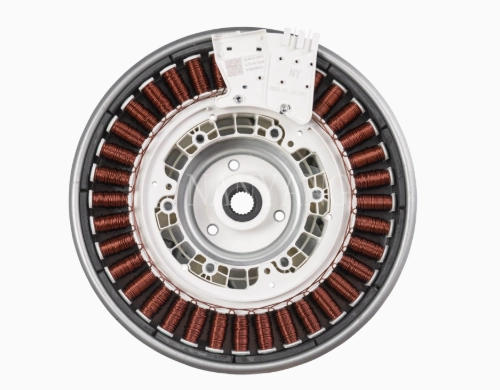
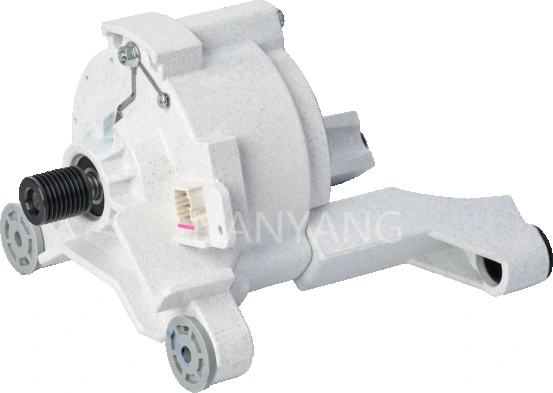
يجب أن يدعم محرك الغسالة عمليات الانعكاس عند السرعات المنخفضة، وعزم بدء التشغيل، والتسارع المتحكم فيه، والدوران عالي السرعة، وتغيرات الحمل، وحالات عدم التوازن. نانيانغ محرك BLDC ذو تحميل أمامي هذا مرجع رسمي لمحرك غسالة تحميل أمامي يتم التحكم فيه إلكترونيًا. تأكد من الجهد الكهربائي، ونطاق السرعة، وعزم الدوران المقنن والقصوى، وقصور حوض الغسالة، ودورة التشغيل، وطريقة التركيب، والاستشعار، وواجهة وحدة التحكم، والتبريد، ومستوى الضوضاء المستهدف، وشروط التحقق قبل الاختيار.
تشغيل التحقق من صحة المقارنة
اختبر كلا البنيتين تحت نفس الحمل، ودرجة الحرارة المحيطة، ونطاق الجهد، ودورة التشغيل، وملف تعريف التسارع، وطريقة القياس. يشمل ذلك بدء التشغيل، والانعكاسات المتكررة، والارتفاع الحراري، والسلوك الصوتي، والتوافق الكهرومغناطيسي، والاستجابات الوقائية، وظروف الحمل المقفلة أو غير الطبيعية عند الاقتضاء، وإعادة التشغيل، وافتراضات اختبار العمر الافتراضي. نانيانغ قدرة الاختبار يمكن أن يدعم ذلك مناقشة اختبارات القبول الخاصة بالمشروع.
تجميد النظام المعتمد
قبل بدء الإنتاج بكميات كبيرة، يجب تسجيل المحرك المعتمد، ووحدة التحكم، والبرنامج أو إصدار المعلمات، وطريقة الاستشعار، والأسلاك، ومراجعة الرسم، وحدود الفحص، وشروط الاختبار. أي تغيير في اللفائف، أو المغناطيسات، أو الفرش، أو المحامل، أو حدود تيار وحدة التحكم، أو التوقيت، أو الموصل، أو الواجهة الميكانيكية يستدعي مراجعة هندسية بناءً على خطة التحقق الأصلية.
استنتاج
يجب أن يستند قرار اختيار محركات التيار المستمر عديمة الفرش أو ذات الفرش إلى التطبيق العملي، وليس إلى مجرد شعار. توفر محركات التيار المستمر ذات الفرش حلاً بسيطاً للأحمال المتوسطة والتحكم الأساسي؛ بينما تُغني محركات التيار المستمر عديمة الفرش عن صيانة الفرش وتتيح تحكماً إلكترونياً مرناً، ولكنها تُضيف مسؤوليات تتعلق بالتشغيل والتكامل. قارن بين النظامين تحت نفس ظروف الحمل، ودورة الحياة، والتكلفة، والخدمة، وافتراضات التحقق قبل اعتماد تصميم المنتج.
أسئلة متكررة
أيهما أفضل، محرك التيار المستمر بدون فرش أم محرك التيار المستمر ذو الفرش؟
لا يُعد أيٌّ منهما أفضل بشكلٍ مطلق. يُمكن استخدام محرك ذي فرش في المنتجات البسيطة ذات الاستخدام المحدود والتي يُمكن صيانتها بسهولة. بينما يُمكن استخدام محرك التيار المستمر بدون فرش في المنتجات طويلة الأمد التي تتطلب تحكمًا متغير السرعة، والمنتجات المتكاملة إلكترونيًا، وذلك عندما يكون استخدام وحدة التحكم وإجراءات التحقق من صحة الأداء مُبررًا.
هل تدوم محركات التيار المستمر بدون فرشاة (BLDC) لفترة أطول من محركات التيار المستمر ذات الفرش؟
تُقلل محركات التيار المستمر بدون فرش من تآكل التلامس بين الفرش، لكن العمر الافتراضي الإجمالي للمنتج لا يزال يعتمد على المحامل والإلكترونيات ودرجة الحرارة والحمل والتلوث والتركيب وجودة الإنتاج. لذا، يُنصح بمقارنة ظروف اختبار العمر الافتراضي بدلاً من افتراض عمر افتراضي ثابت بناءً على نوع المحرك.
هل محركات التيار المستمر عديمة الفرشات أكثر هدوءًا دائمًا؟
لا. قد يؤدي إزالة ملامسة الفرشاة إلى التخلص من أحد مصادر الضوضاء، لكن التبديل الكهرومغناطيسي، والمحامل، وتوازن الدوار، والتركيب، وضوضاء المروحة أو الحمل، وضبط التحكم لا تزال تؤثر على المنتج النهائي. قِس الضوضاء في ظل ظروف التشغيل المقصودة.
ما المعلومات التي يجب على الشركة المصنعة للمعدات الأصلية تضمينها في طلب عرض أسعار المحرك؟
يشمل ذلك الجهد، ونطاق السرعة، وعزم الدوران المستمر والذروة، وقصور الحمل، ودورة التشغيل، والبدايات والانعكاسات، والظروف المحيطة، والأبعاد، والتركيب، والاستشعار، وواجهة وحدة التحكم، وأهداف الضوضاء والتوافق الكهرومغناطيسي، ومتطلبات التحقق، والحجم السنوي، وتوقيت أخذ العينات.