Choosing an Inverter Motor: EMC Checks for Washing Machine OEMs
What an Electromagnetic Compatibility Review Covers
A variable-speed drive for the clothes washer is a supply arrangement in which an electronic converter feeds the motor with voltages of varying frequency, in place of a direct connection to the mains.
Conventional AC and Inverter Motors
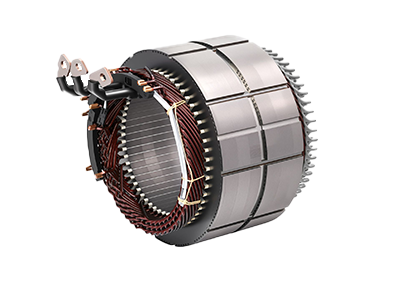
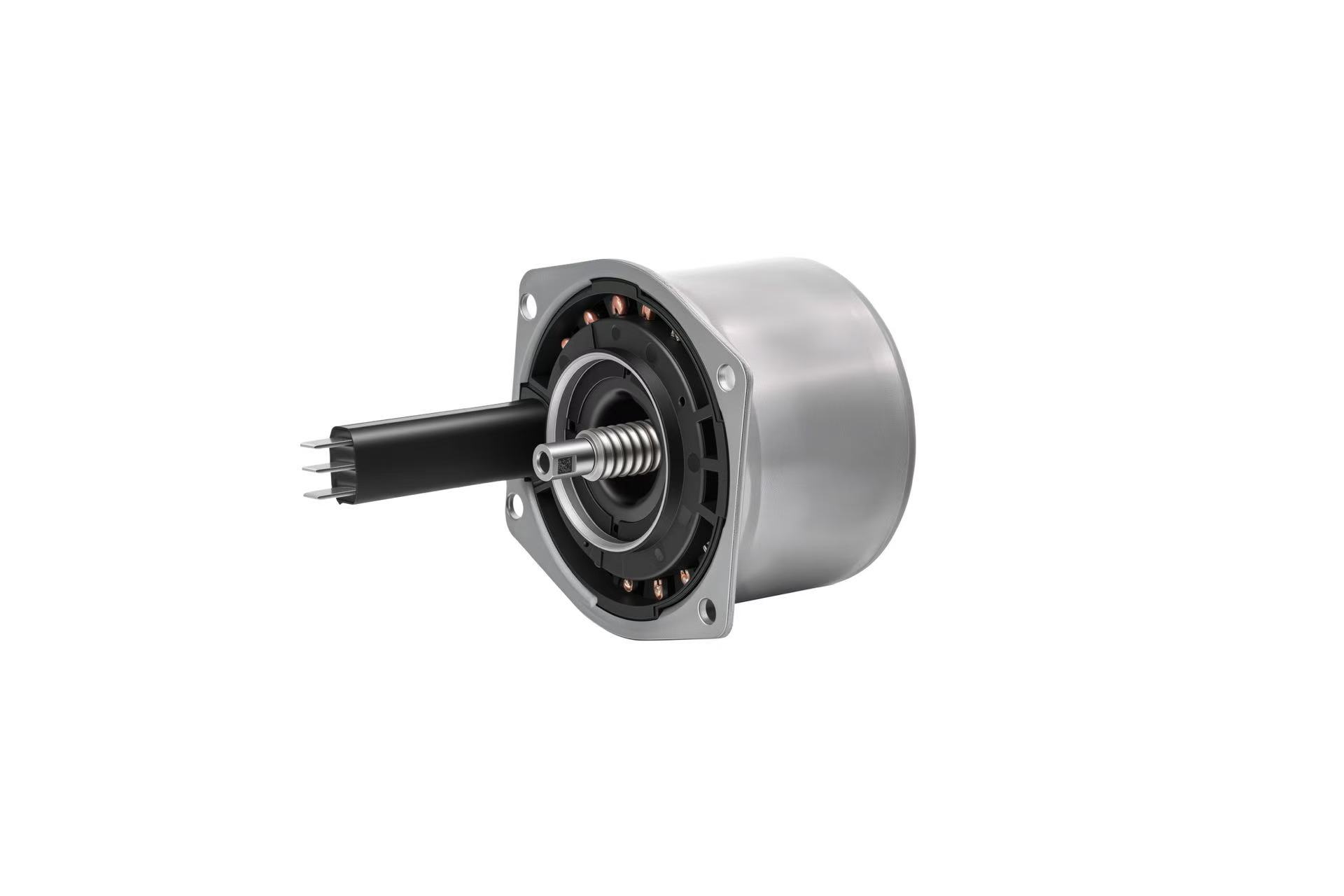
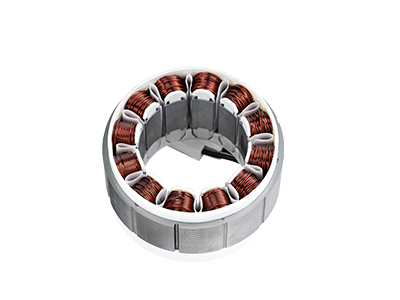
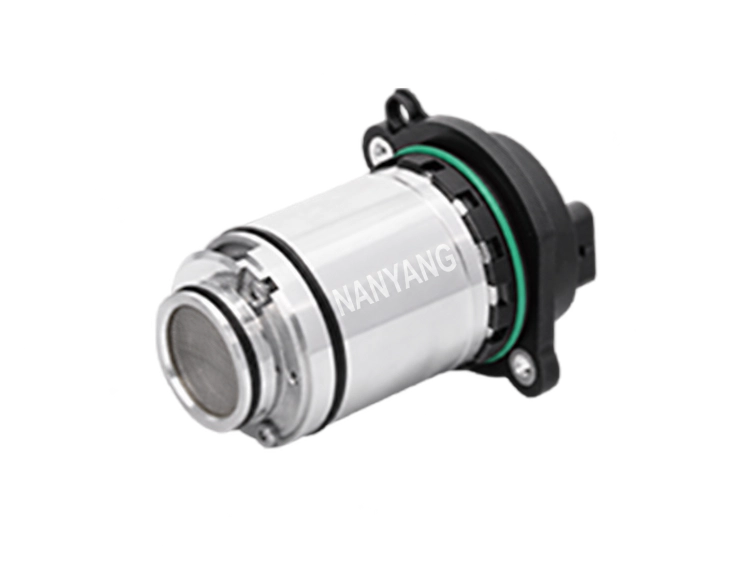
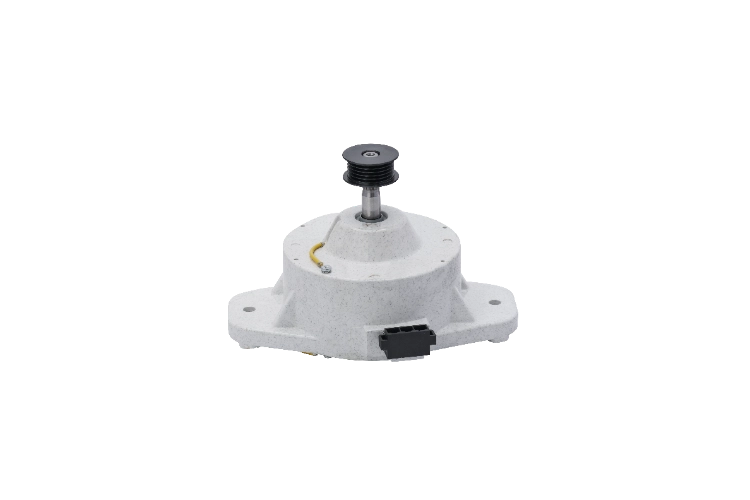
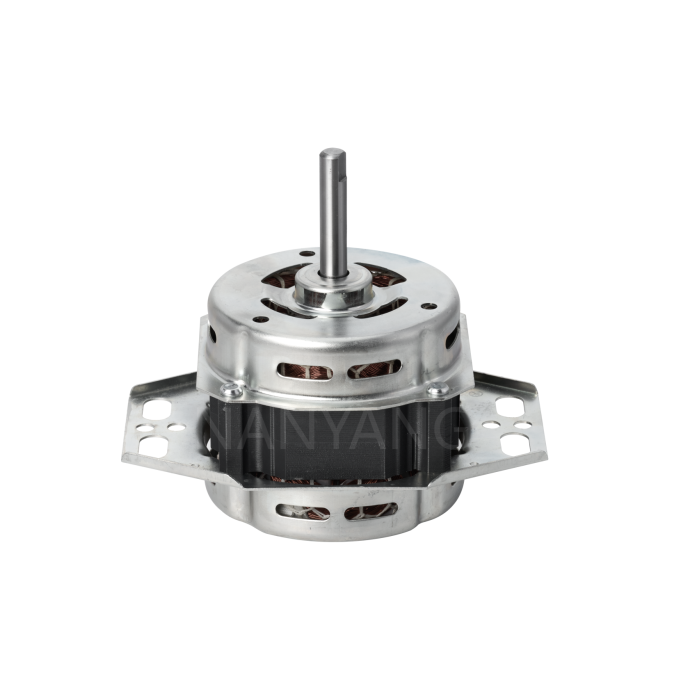
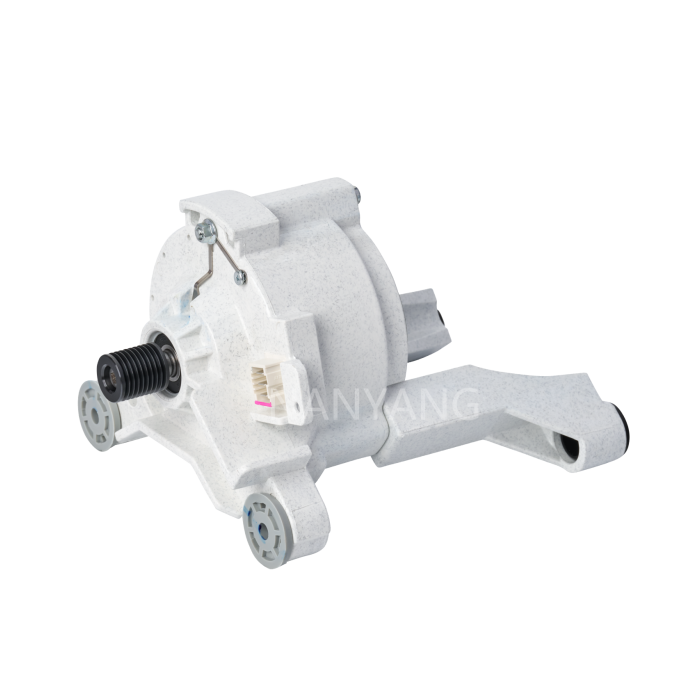
Nanyang Motor supplies brushless DC motors for washing machines, and offers alternating-current induction motors as a conventional range; the two ranges are not automatically interchangeable in one washer design.
The electronic converter may be combined with the motor in a single unit (motor and electronics combined), or the converter may be separate.
A motor designed for direct connection to the supply is not suitable for use with a variable-speed drive unless it is specifically designed or rated for such use.
Emissions and Immunity
For household appliances, CISPR 14-1:2020 covers emitted disturbances and CISPR 14-2:2020 covers immunity to external disturbances.
An appliance incorporating a variable-speed drive must be expected to produce more continuous and possibly higher-frequency emissions than one with a fixed-speed drive. These emissions include not only the fundamental frequency of the variable-speed drive but also harmonics and higher frequency components.
The emissions from a variable-speed drive are determined by the design of the appliance as a whole and not by the drive alone.
The measurement of disturbances from a variable-speed drive is made difficult by the continuously varying frequency and by the large number of discrete frequencies which may be produced.
How Disturbance Travels
Conducted disturbances can appear at the supply terminals (mains terminal disturbance voltage) and can also be injected into the supply network as a current (disturbance current).
Radiated disturbances can be produced directly by the electronic converter, by the motor and its connections, and by the supply leads.
The supply leads may act as an antenna and radiate the disturbances conducted along them. This is particularly so when the leads are not installed in a manner which minimizes radiation.
In a variable-speed drive, the cable between the converter and the motor may radiate disturbances. The use of screened cable, with the screen bonded to the enclosure at both ends, reduces this radiation.
The Input Filter
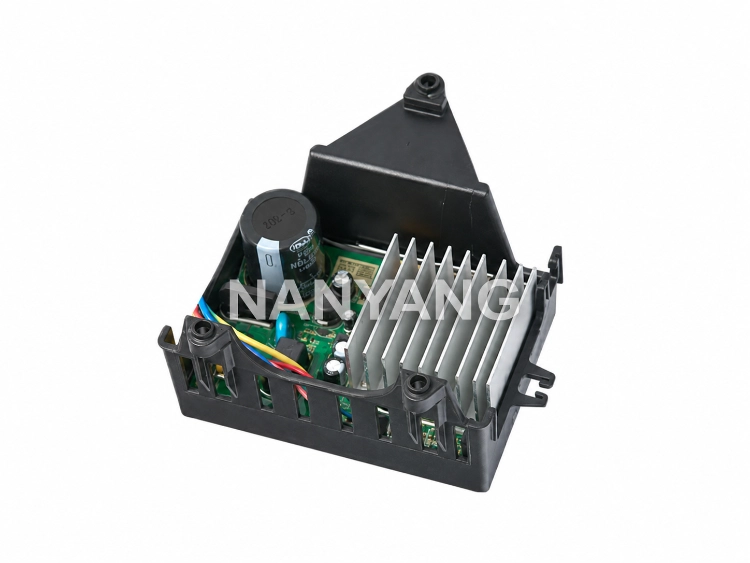
The input filter of the appliance reduces the level of conducted disturbances at the supply terminals. The filter may be fitted in the appliance or may be a separate unit.
Capacitors in the input filter may carry a residual voltage after disconnection from the supply.
The disturbance voltage may be measured using a selective voltmeter or a measuring receiver.
PWM Frequency and Switching Edges
For measurements on the supply terminals, a variable-speed drive should be operated at several different settings so that the highest levels of disturbance can be found.
For measurements of disturbance power, the appliance is operated in the same way.
For measurement of the disturbance voltage at the supply terminals, the appliance is placed in a shielded enclosure or a screened room, unless the measurement is made in a test site with a low ambient level.
If the cable between the converter and the motor is long, the cable can carry a large common-mode current, which can cause both conducted and radiated disturbance.
The earth connection of the motor frame and of the motor cable screen should be of low impedance at high frequencies.
Operating Modes for Test
إن Infineon reference design for washing machine drives includes an onboard interference filter.
The disturbance produced by a variable-speed drive varies with the operating point of the machine, for example the speed, the load, and the switching frequency of the converter.
The measurement should be made under the conditions which produce the highest disturbance. Where the highest disturbance occurs under a condition which is not within the normal operating range, that condition should be recorded in the test report.
The disturbance produced by a variable-speed drive may be measured in terms of the disturbance voltage at the supply terminals or in terms of the disturbance power.
A distinction is made between the disturbance voltage measured at the supply terminals and the disturbance current injected into the supply network. The measurement of the disturbance voltage is normally made with a line impedance stabilizing network (LISN), which provides a defined impedance between the supply and the appliance.
The measurement of the disturbance power of a variable-speed drive is made more difficult by the fact that the disturbance is not a single frequency but a spectrum, and the absorbing clamp must be tuned to each frequency of interest.
Test Reports and Evidence
The test report should record the settings of the machine under which the highest disturbance was found, and the measured levels at those settings.
The test report should state whether the appliance was tested with or without an external filter.
The test report should state the length and type of the cable between the converter and the motor, and whether the cable was screened.
Where a determination of the highest disturbance requires the appliance to be operated at settings which are not normal operating settings, those settings and the reason for them should be recorded in the report.
نانيانغ موتور
نانيانغ موتور supplies brushless direct-current motors and alternating-current induction motors for washing machines, and publishes a drive controller for front-loading machines. Published testing facilities support the evaluation of components; the scope of any electromagnetic compatibility work and the responsible laboratory must be settled separately.