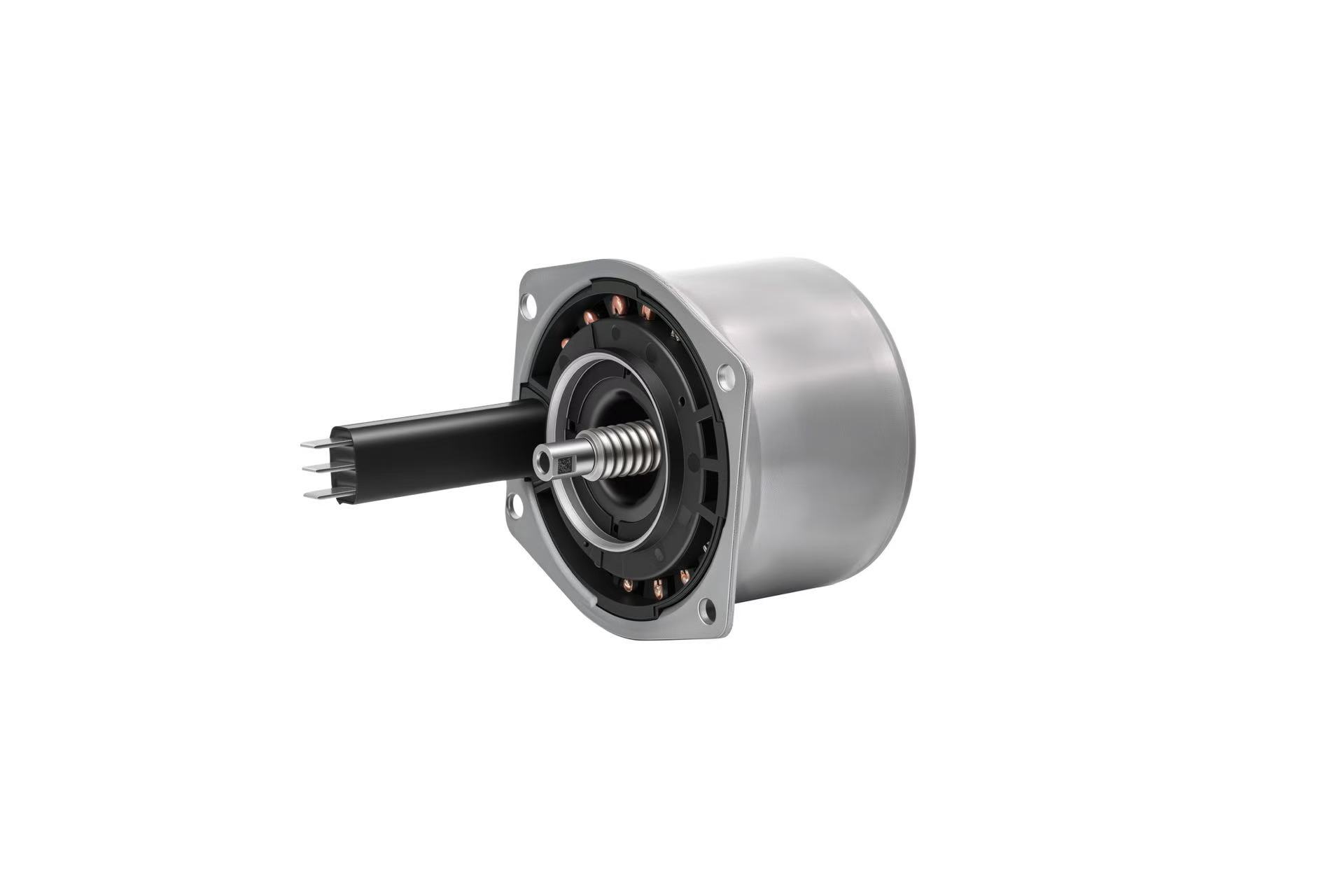
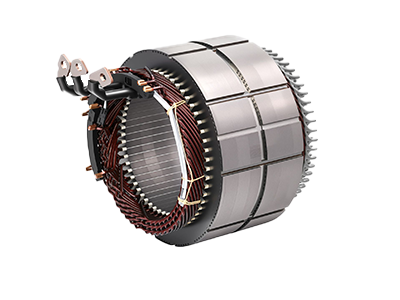
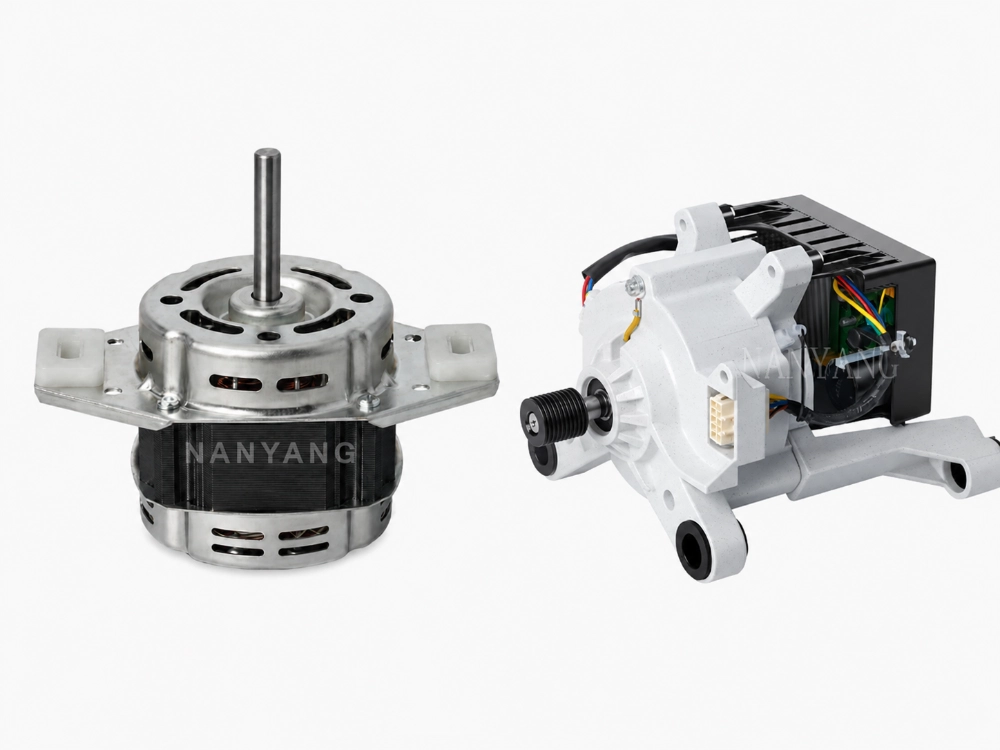
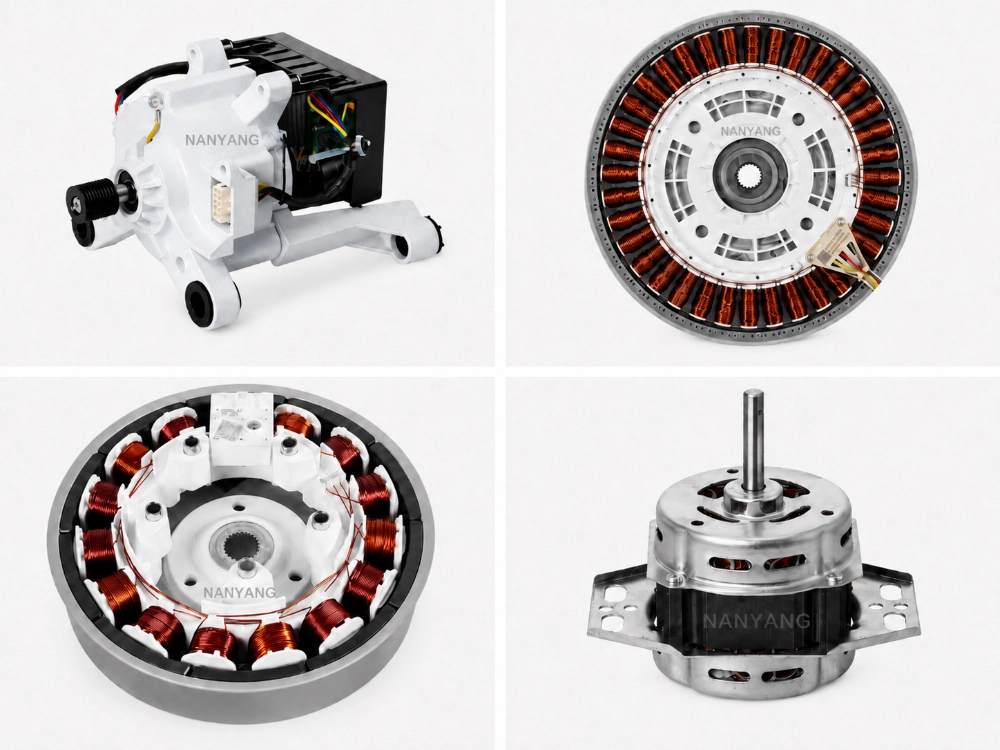
Wann sollte ein OEM in einer Waschmaschine einen Direktantriebsmotor verwenden? 7 Designprüfungen
Ein OEM sollte einen Direktantriebsmotor verwenden, wenn die Waschmaschinenplattform so konstruiert ist, dass sie von einem direkten Trommeldrehmoment, weniger Getriebeteilen, präziser Bewegung bei niedrigen Drehzahlen und einer genauen elektronischen Steuerung profitiert. Er ist hingegen ungeeignet, wenn lediglich ein Riemenmotor ersetzt werden soll, ohne die hintere Struktur, die Lager, die Steuerung, den Wärmepfad und die Wartungsmethode zu überarbeiten. Die Entscheidung sollte auf Plattformebene und nicht allein anhand der Motorbezeichnung getroffen werden.
Dieser Artikel konzentriert sich bewusst auf die Designprüfung von Erstausrüstern (OEMs) und nicht auf allgemeine Verbraucherfragen wie „Sind Waschmaschinen mit Direktantrieb besser?“ oder „Welche Nachteile gibt es?“. Nanyang verfügt bereits über gut platzierte Seiten zu diesen Themen. Ziel dieses Artikels ist es, Entwicklungs- und Beschaffungsteams bei der Entscheidung zu unterstützen, ob ein Direktantrieb für ein neues Waschmaschinendesign geeignet ist.
Nanyang Motor Das Unternehmen entwickelt Direktantriebs-, Direktantriebs-, BLDC-, Wechselstrom- und Trocknermotorlösungen für Haushaltsgeräte. Die Produkt- und Produktionsdaten des Direktantriebsunternehmens bieten eine nützliche Referenz für die Bewertung von Direktantriebsplattformen.
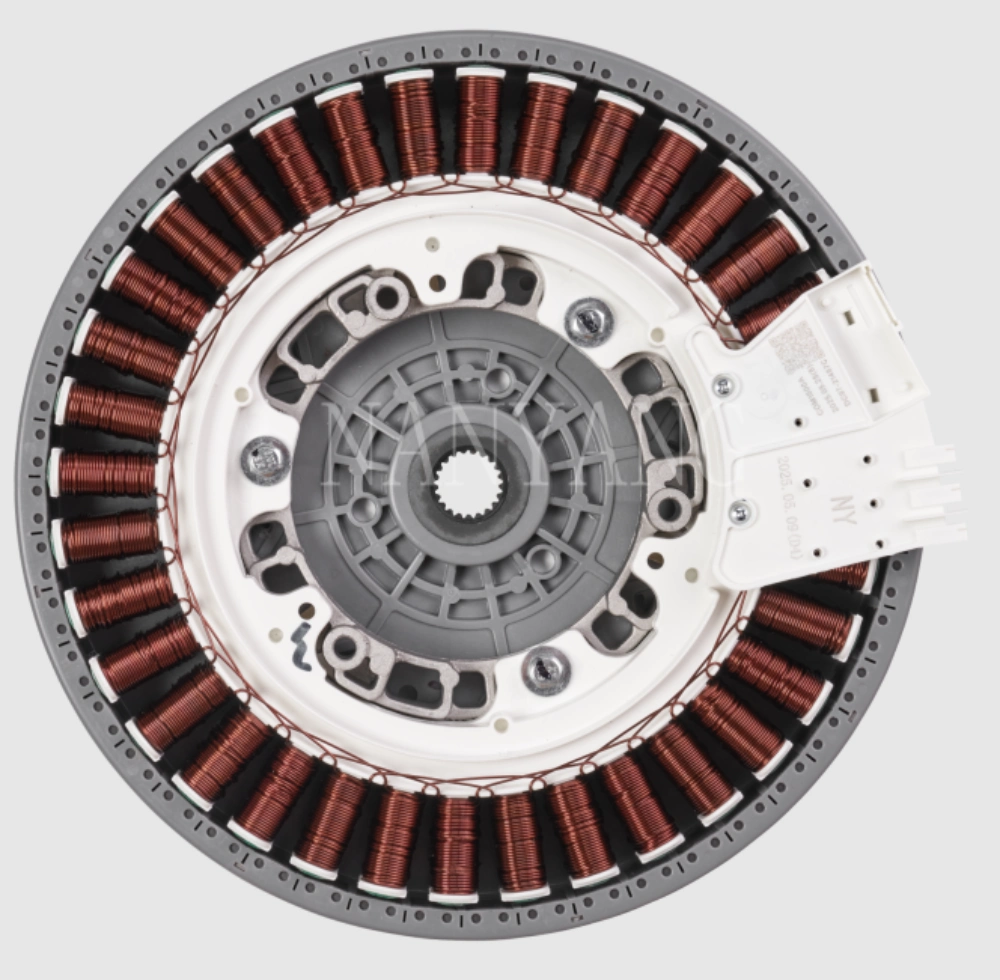
Wann passt ein Direktantrieb zu einer Waschmaschinenplattform?
Eine Plattform, die auf Direktantrieb mit Trommelantrieb ausgelegt ist
Der Direktantrieb funktioniert am besten, wenn Trommel, Welle, Lager, hinterer Freiraum, Motordurchmesser, Steuerung und Wartungszugang von Anfang an darauf ausgelegt sind. Der Wegfall des Riemens verändert mehr als nur das Getriebe. Er verändert die Kraftübertragung auf die Trommel sowie die Konstruktion und Befestigung des hinteren Antriebssystems.
Notwendigkeit einer präzisen Trommelbewegung
Die direkte Trommelsteuerung ist besonders vorteilhaft, wenn das Waschprogramm auf sanftes, langsames Rückwärtslaufen, kontrolliertes Beschleunigen, Bremsen und stabile Geschwindigkeitsübergänge angewiesen ist. Motor und Steuerung wirken direkter auf das Trommelverhalten ein, da zwischen ihnen kein Übersetzungsverhältnis oder keine Riemennachgiebigkeit besteht.
Ein klarer Grund, die Riemenphase zu entfernen
Wenn die Hauptfrage lediglich darin besteht, wie sich Direktantrieb im Vergleich zu Riemenantrieb verhält, verwenden Sie die etablierte Waschmaschine mit Direktantrieb vs. Riemenantrieb Leitfaden. Bei einer neuen OEM-Plattform ist die wichtigere Frage, ob die Vorteile des Wegfalls des Riemens die an anderer Stelle erforderlichen mechanischen und steuerungstechnischen Änderungen rechtfertigen.
Welches Drehmoment muss der Motor bei Trommeldrehzahl liefern?
Prüfung 1: Anfahr- und Drehmoment bei niedrigen Drehzahlen
Ein Direktantriebsmotor kann das Drehmoment an der Trommel nicht durch ein Übersetzungsverhältnis der Riemenscheibe verstärken. Definieren Sie das Anlaufdrehmoment, das Drehmoment bei niedriger Waschdrehzahl, das Drehmoment bei wiederholtem Richtungswechsel, die Wasser- und Textilbeladung, den Trommeldurchmesser und den ungünstigsten Fall für nasse Wäsche. Die Nennleistung allein reicht für die Dimensionierung des Motors nicht aus.
Prüfung 2: Trägheit und Beschleunigung
Der Motor muss die Trommel, die nasse Wäsche, das Wasser und die rotierende Struktur beschleunigen. Erstellen Sie ein Beschleunigungsprofil von der Waschdrehzahl bis zur Schleuderdrehzahl und ermitteln Sie den Spitzenstrom und das maximale Drehmoment bei jedem Übergang. Ein Motor, der die stationäre Drehzahl erreicht, kann während der Beschleunigung dennoch unterdimensioniert sein.
Prüfung 3: Schlupfdrehzahl und Bremsreserve
Hohe Drehzahlen erhöhen die Gegen-EMK, die Rotordrehzahlbegrenzungen, die Lagerbelastungen, die Unwuchtkräfte und die Bremsanforderungen. Stellen Sie sicher, dass das Motoransteuerungssystem die Drehzahl erreichen und wieder verlassen kann, ohne die Strom-, Spannungs-, thermischen oder mechanischen Grenzwerte zu überschreiten.
Welche mechanischen Änderungen sind für den Direktantrieb erforderlich?
Prüfung 4: Hinteres Gehäuse, Welle und Lager
Direktantriebe verwenden häufig einen Motor mit größerem Durchmesser, der auf Höhe der Trommelachse positioniert ist. Prüfen Sie den Abstand zur Rückseite des Gehäuses, die Motorstärke, die Wellengeometrie, den Lagerabstand, die Trommelsteifigkeit, die Zugänglichkeit der Befestigungselemente, die Abdichtung und die Montagereihenfolge. Die Umrüstung einer vorhandenen Waschmaschine mit Riemenantrieb erfordert möglicherweise eine neue hintere Konstruktion anstelle einer neuen Halterung.
Prüfung 5: Rotorauswuchtung und Strukturschwingungen
Die Beseitigung von Riemengeräuschen beseitigt nicht alle Vibrationsquellen. Rotor- und Trommelwuchtung, Lagerzustand, Gehäusesteifigkeit, Aufhängung, elektromagnetische Kräfte und die Einstellung der Steuerung bleiben wichtig. Vibrationsmessungen sollten in der kompletten Waschmaschine durchgeführt werden, da Motortests auf dem Prüfstand Gehäuseresonanzen oder unausgewuchtete Nassladungen nicht simulieren können.
Servicezugang und modularer Austausch
Der meistgelesene Artikel der Website über Nachteile von Waschmaschinen mit Direktantrieb Die Reparatur- und Lebenszyklusabwägungen werden bereits detailliert behandelt. Für die OEM-Konstruktion sollten diese Informationen genutzt werden, um zu entscheiden, ob Motor, Sensor, Steuerung, Lager und hintere Baugruppe nach der Integration weiterhin zugänglich und diagnostizierbar sind.
Wie sollte der Controller auf den Direktantrieb abgestimmt werden?
Prüfung 6: Kommutierung, Rückkopplung und Stromgrenzen
Die direkte Trommelsteuerung erfordert präzise Kommutierung, Stromregelung, Rotorpositionsrückmeldung und Software. Prüfen Sie die Zwischenkreisspannung, den Spitzenphasenstrom, den Motorwiderstand und die Induktivität, die Rückmeldemethode, den Drehzahlbereich, das Anlaufverhalten, die Bremsstrategie, die Kommunikation und die Schutzgrenzen.
Rückwärtslauf bei niedriger Drehzahl und Drehmomentwelligkeit
Die Waschbewegung durchläuft wiederholt den Stillstand. Eine ungenaue Positionsbestimmung oder Stromeinstellung kann zu instabilen Anläufen, hörbaren Drehmomentschwankungen, ruckartigen Rückwärtsbewegungen oder Überstrom führen. Testen Sie diese Bedingungen mit der tatsächlichen Trommelträgheit und der Nasslast, nicht nur mit einem unbelasteten Motor.
Thermische Wechselwirkung zwischen Motor und Elektronik
Messen Sie die Wicklungstemperatur des Motors und die Temperatur des Treibers während wiederholter Wasch- und Schleudergänge. Ein Direktantriebsmotor kann über längere Zeiträume mit niedriger Drehzahl und hohem Drehmoment betrieben werden, während der Treiber Schalt- und Leitungsverluste aufweist. Die Kühlleistung sollte bei hoher Umgebungstemperatur und niedriger Netzspannung überprüft werden.
Wie sollten OEMs Direktantriebe vor der Massenproduktion validieren?
Prüfung 7: Vollständige Waschmaschinenvalidierung
Testen Sie Kaltstart, Warmstart, Unterspannung, hohe Nasslast, wiederholte Drehrichtungsumkehr, Unsymmetrielast, Beschleunigung, Hochgeschwindigkeitsdrehzahl, Bremsen, Neustart, Temperaturanstieg, Luftfeuchtigkeit, Geräusche, Vibrationen und Überlastschutz. Erfassen Sie Stromstärke, Drehzahl, Temperatur und Vibrationen, um Prototypfehler auf Motor, Steuerung, mechanische Struktur oder Lastbedingungen zurückzuführen.
Produktionskapazität und Rückverfolgbarkeit
Bei der Beschaffung großer Stückzahlen sind die Wicklungskonsistenz, die Rotorwuchtung, die Lagersteuerung, die Controller-Programmierung, die Endprüfung, das Änderungsmanagement und die Rückverfolgbarkeit zu überprüfen. Die Wissensdatenbank von Nanyang listet 13 DD-Produktionslinien und 7 DDM-Linien innerhalb der Kapazität für Frequenzumrichtermotoren auf. DD Motorkategorie ist die relevante Produktreferenz für eine Plattform mit Direktantrieb für Trommeln.
Direktantrieb und BLDC-Terminologie trennen
Direktantrieb beschreibt die Getriebeanordnung, während BLDC die Motorkonstruktion beschreibt. BLDC vs. Direktantrieb Der Artikel ist hilfreich, wenn ein Projektteam diese beiden Kategorien noch voneinander abgrenzt, bevor die mechanische Konstruktion endgültig festgelegt ist.
Schlussfolgerung
Ein Direktantriebsmotor ist eine gute Wahl für Erstausrüster, wenn die Waschmaschine gezielt auf direktes Trommeldrehmoment und elektronische Steuerung ausgelegt ist. Die sieben Prüfpunkte sind: Anlaufdrehmoment, Trägheitsmoment und Beschleunigung, Schleuder- und Bremsreserve, mechanische Abmessungen und Lager, Rotor- und Strukturschwingungen, Anpassung von Steuerung und Stromstärke sowie die vollständige Validierung der Waschmaschine. Werden diese Schnittstellen nicht gemeinsam entwickelt, kann der Direktantrieb mehr Nachbearbeitungsaufwand als Nutzen verursachen.
Vor der Plattformgenehmigung übermitteln Sie dem Lieferanten den Waschmaschinentyp, die Trommelkapazität, das Drehmoment-Drehzahl-Profil, die technischen Zeichnungen, den Status der Steuerung, die Geräuschvorgaben, den Betriebszyklus, die Zertifizierungsanforderungen und das jährliche Produktionsvolumen. Nanyang Forschung und Entwicklung können die Laufwerksanforderungen überprüfen, und Käufer können Kontakt zu Nanyang für die Projektzuordnung.
FAQ (häufig gestellte Fragen)
Frage 1: Wann sollte ein OEM in einer Waschmaschine einen Direktantriebsmotor verwenden?
A1: Verwenden Sie es, wenn die Plattform für ein direktes Trommeldrehmoment, eine präzise elektronische Steuerung und weniger Getriebeteile ausgelegt ist und wenn die hintere Struktur und die Servicestrategie die Integration unterstützen.
Frage 2: Kann eine Waschmaschine mit Riemenantrieb durch den Austausch des Motors auf Direktantrieb umgerüstet werden?
A2: Normalerweise nicht. Der Umbau kann Auswirkungen auf das hintere Freiraum, die Welle und die Lager, die Wannenstruktur, die Steuerung, die Rückkopplung, die Kühlung, die Montage und den Wartungszugang haben.
Frage 3: Warum ist das Drehmoment bei niedrigen Drehzahlen für eine Waschmaschine mit Direktantrieb wichtig?
A3: Der Motor treibt die Trommel ohne Riemenübersetzung an, daher muss er bei niedriger Waschgeschwindigkeit und bei wiederholtem Rückwärtslaufen direkt ein nutzbares Drehmoment erzeugen.
Frage 4: Was sollte vor der Zulassung eines Direktantriebsmotors geprüft werden?
A4: Testen Sie das Verhalten bei realer Nasslast: Anfahren, Rückwärtsfahren, Beschleunigen, Schleudern, Bremsen, Unwucht, Temperaturanstieg, Geräusche, Vibrationen, anormale Last und Wiederanfahren.
Frage 5: Bedeutet Direktantrieb BLDC?
A5: Nein. Direktantrieb beschreibt, wie das Drehmoment auf die Trommel wirkt; BLDC beschreibt die Motorkonstruktion. Ein Direktantriebssystem kann einen bürstenlosen, elektronisch gesteuerten Motor verwenden, die Begriffe sind aber nicht identisch.