Por qué algunos motores de giro se queman temprano: una guía clara para las calificaciones S2 / 15min
Si vendes o compras secadoras de giro y lavadoras de bañeras dobles, el agotamiento temprano del motor es uno de esos problemas que parecen “aleatorios” hasta que lo remontes al ciclo de trabajo. Una unidad funciona bien en una rápida comprobación de fábrica, luego un cliente corre ciclos de giro en casa y de repente huele caliente, protección de viajes o muere.
Esta guía desglosa lo que realmente significa S2/15min, por qué aparece con tanta frecuencia en un motor giratorioy cómo puede reducir los rendimientos con una selección más inteligente y límites de uso más claros. Si desea una referencia práctica de abastecimiento, Huzhou Nanyang Electric-Motor Co., Ltd. es un fabricante de motores con una larga trayectoria de electrodomésticos, planificación de producción de alto volumen y un sistema de calidad interno construido en torno al control de procesos más pruebas eléctricas de extremo a extremo.
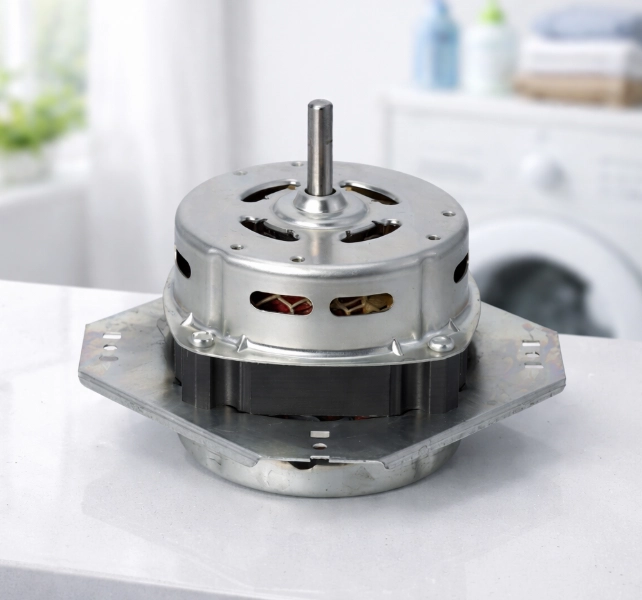
¿Qué significa S2 15min en un motor y por qué se usa para secadores de hilado?
S2 no es un lenguaje de marketing. Es una clasificación de trabajo utilizada en las normas de motor, y está estrechamente vinculada al calor. Las secadoras de giro son una combinación perfecta para S2 porque exigen un par fuerte en el arranque, luego alta velocidad durante un corto tiempo, luego se detienen. Esa parada no es "agradable tener". Es parte de la calificación.
Clasificación del motor de servicio a corto plazo (S2)
El Clasificación del motor de trabajo corto (S2) significa que el motor funciona a una carga constante durante un tiempo limitado que es menos de lo que se necesitaría para alcanzar el equilibrio térmicoentonces debe descansar lo suficiente para enfriarse cerca del ambiente. En términos cotidianos, se permite que el motor se caliente, pero solo dentro de una ventana planificada, y solo si consigue tiempo de enfriamiento real después.
Es por eso que muchos motores de secador de giro están etiquetados S2 motor de servicio de 15 minutosEl uso previsto de la máquina no es "correr para siempre". Es "girar duro, detener, enfriar, repetir más tarde".
S2-15 min Ciclo de trabajo explicado en uso real
Si estás preguntando"¿Qué significa S2 15min en un motor?“Aquí está la respuesta limpia: está calificado para correr 15 minutos a la carga indicadaEntonces necesita descansar hasta que la temperatura vuelva a caer cerca del ambiente. Eso no significa que cada usuario golpeará 15 minutos y fallará a las 15:01. Significa que el diseño térmico y la vida útil del aislamiento se validaron alrededor de ese patrón.
S2 Tiempo de enfriamiento de trabajo a temperatura ambiente
La frase Tiempo de enfriamiento de servicio S2 a temperatura ambiente No es solo una nota de pie de página. Es la parte que protege el bobinado del motor. Un secador de hilado a menudo se sienta en un compartimiento de plástico apretado con pelusa y humedad alrededor de él. Si la máquina ejecuta otro ciclo de giro inmediatamente, el motor inicia la segunda operación ya caliente, y el aumento de la temperatura se apila.
Ese apilamiento es el camino más rápido de “normal” a motor de giro temperatura de bobinado demasiado altaUna vez que la temperatura de bobinado empuja el aislamiento cerca de su límite, el motor todavía puede funcionar, pero la vida se contrae duro. Se ven más viajes térmicos, más ruido y más agotamiento temprano.
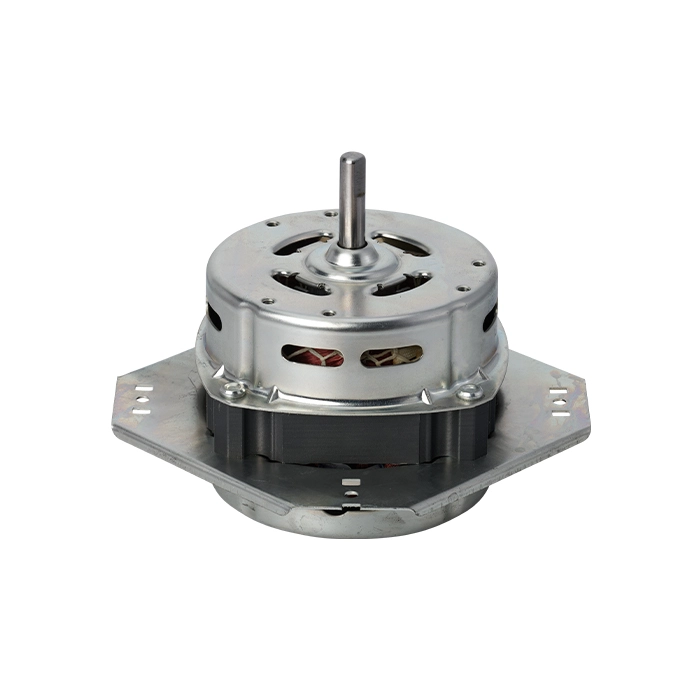
¿Cómo cambian los ciclos de trabajo S1 y S2 el calentamiento y la vida útil del motor de giro?
Trabajo a corto plazo (S2) vs. Trabajo continuo (S1)
Trabajo a corto plazo (S2) vs. trabajo continuo (S1) abajo al equilibrio de temperatura. S1 supone que el motor funciona lo suficiente como para alcanzar una temperatura de funcionamiento estable. S2 asume que se detiene antes del equilibrio térmico y luego se enfría completamente.
Cuando alguien compara Motor de trabajo S1 vs S2Puedes enmarcarlo así: S1 es un motor de maratón, S2 es un motor de sprint. Un secador de giro es una máquina de sprint.
IEC 60034-1 Deber S2 y lo que implica
A menudo verás compradores buscando Deber IEC 60034-1 S2 porque quieren una referencia estándar. La implicación práctica es que la clasificación depende de las condiciones: nivel de carga, temperatura ambiente, montaje y trayectoria de enfriamiento.
Es por eso que una conversación de abastecimiento debe incluir la etiqueta de trabajo, el perfil de carga y la ventilación real de la máquina. Si desea que la selección sea menos adivinativa, ayuda a usar un proveedor que pueda soportar la coincidencia y validación de parámetros. Esta es una de las razones por las que muchos compradores utilizan I+amp; D Centro de Soporte cuando necesitan confirmar las suposiciones de trabajo contra el uso real de la máquina.
¿Qué signos de advertencia aparecen antes de la falla térmica y cómo se diagnostican?
Protección térmica del motor de giro mantiene disparando
Cuando protección térmica del motor de giro mantiene disparandoTratarlo como un síntoma, no como la causa. Los protectores térmicos hacen su trabajo cuando la temperatura de bobinado aumenta demasiado. La pregunta es por qué aumenta la temperatura:
- Sobrecarga por cargas húmedas pesadas o resistencia mecánica
- Pobre flujo de aire y calor atrapado en el compartimiento
- Problemas con el condensador o el circuito de arranque incorrectos
- Baja tensión causando mayor consumo de corriente para el mismo trabajo
Un motor con protección contra sobrecalentamiento incorporada es una característica de seguridad práctica, pero no puede solucionar el uso indebido repetido de S2 como S1. Sólo puede evitar que el daño se vuelva peligroso.
Temperatura de bobinado del motor de giro demasiado alta y tensión de aislamiento
Temperatura de bobinado del motor de giro demasiado alta es donde la vida cae bruscamente. Incluso si el motor sigue funcionando, el aislamiento envejece más rápido a temperaturas más altas. En las reclamaciones de servicio, puede ver enrollamientos oscuros, aislamiento frágil o un olor que la gente describe como "plástico caliente".
Esto es también donde las decisiones de clase de aislamiento son importantes.
Una lista de verificación práctica de solución de problemas que puede compartir
Una lista de verificación de campo debe ser corta, porque nadie sigue una larga:
- Confirmar la carga y el comportamiento del usuario: tiempo de ejecución, ciclos repetidos, ventilaciones bloqueadas
- Medir la tensión en el motor bajo carga
- Compruebe el valor del condensador con respecto a las especificaciones y reemplace si está fuera del rango
- Gira el mecanismo a mano para un arrastre anormal
- Inspeccionar la acumulación de peluches, huellas de agua y decoloración por calor
Si desea menos sorpresas a escala, empareje esta lista de verificación con una cadena de suministro estable y pruebas consistentes. Huzhou Nanyang Electric-Motor Co., Ltd. describe un enfoque de producción que incluye un estricto control del proceso y una configuración de pruebas eléctricas independientes con múltiples pasos de inspección, dirigidos a reducir las tasas de defectos antes del envío.
¿Cómo elegir un motor de giro S2/15min que no se queme temprano?
La selección no se trata solo de vatios. Para los motores S2, la declaración de trabajo y el margen de calor deben guiar sus elecciones.
Especificación del motor de giro S2/15min
Si estás buscando Cómo elegir el motor de giro S2 / 15minComience con una lista de verificación. Un real Lista de verificación de especificaciones del motor de giro S2/15min debe incluir:
- Declaración de tiempo S2 (ejemplo: S2 15min) y condición de carga nominal
- Voltaje y frecuencia nominales para sus mercados de destino
- Método de arranque y especificación del condensador si se utiliza
- Tipo de protección térmica y comportamiento de viaje
- Clase de aislamiento y aumento de temperatura permitido
- Ajuste mecánico, montaje, eje y trayectoria de ventilación en la máquina
Cuando necesita un producto de referencia directa para mapear estos artículos, es útil revisar la página centrada en la aplicación de un proveedor como motor giratorio y luego confirmar los parámetros finales a través de un canal técnico como el I+amp; D Centro de Soporte.
Cobre vs motor de espin de bobinado de aluminio
La frase motor de giro de bobinado de cobre contra aluminio generalmente aparece cuando los compradores tratan de equilibrar el costo y el rendimiento térmico. Los bobinados de cobre generalmente ofrecen una resistencia menor, lo que puede ayudar a reducir las pérdidas y el aumento de la temperatura bajo la misma carga. El aluminio puede funcionar, pero puede tener menos margen cuando las condiciones se vuelven duras.
¿Qué controles de diseño y fábrica reducen el desgaste temprano en los motores de secador de giro?
Clase B vs Clase F Aislamiento para S2
Los compradores a menudo comparan Clase B vs Clase F aislamiento para el servicio S2 porque señala el margen de calor. El aislamiento de clase superior puede tolerar temperaturas más altas antes de que el envejecimiento se acelere.
Estrategia de protección térmica y robustez de inicio repetido
La protección térmica debe coincidir con su realidad posventa. Si los usuarios sobrecargan el tambor, la protección que se dispara demasiado tarde corre el riesgo de dañarse. La protección que se dispara demasiado temprano corre el riesgo de quejas. Quieres un comportamiento equilibrado que proteja el motor sin hacer que el producto se sienta "débil".
Control de procesos, pruebas eléctricas y trazabilidad
Muchas quejas de agotamiento no son “fallas de diseño”. Son variación más mal uso. Su cadena de suministro puede reducir la variación.
En las notas internas de Nanyang, la compañía describe un enfoque de calidad construido en torno a la precisión del proceso, el control del equipo y un sistema de pruebas eléctricas dedicado con múltiples controles en toda la producción, además de certificaciones de sistemas de gestión que cubren el control de calidad y medio ambiente. También destaca la planificación de la capacidad de producción para motores domésticos a gran escala y la alta autosuficiencia para componentes clave, lo que puede reducir la deriva de lotes causada por partes externas inestables.
Para usted, el consejo práctico es sencillo: cuando obtiene un motor S2 como un motor giratoriopreguntar cómo el proveedor verifica la seguridad eléctrica, cuántos pasos de inspección existen antes del envío y cómo se maneja la trazabilidad. Si quieres pasar de “cita” a “evaluación real”, empieza con la Productos catálogo, comprobar el soporte técnico a través del I+amp; D Centro de Soportea continuación, confirme los detalles del proyecto a través de Contacta con nosotros.
Preguntas frecuentes
Q1: ¿Qué significa S2 15min en un motor?
R: Significa que el motor está clasificado para funcionar a la carga indicada durante 15 minutos, luego debe descansar lo suficiente para enfriarse cerca del ambiente. Es un motor de servicio de corto plazo (S2), no de servicio continuo.
Q2: ¿Cuánto tiempo puede funcionar un motor S2 de 15 minutos si la carga es más ligera de la nominal?
R: Una carga más ligera puede reducir el aumento del calor, por lo que el tiempo de funcionamiento real puede ser más largo, pero depende de la ventilación, la temperatura ambiente y la frecuencia de arranque.
Q3: ¿Por qué los motores de giro se sobrecalientan después de 10 minutos incluso con un motor de giro S2 de 15 minutos?
R: Las razones comunes son cargas húmedas pesadas, flujo de aire pobre, arranques repetidos y ningún tiempo de enfriamiento. Cualquiera de estos puede empujar la temperatura de bobinado demasiado alta antes de 15 minutos.
Q4: ¿Qué debe comprobar cuando la protección térmica del motor de giro continúa disparando?
R: Compruebe el patrón de funcionamiento del usuario, el bloqueo del flujo de aire, el arrastre mecánico, el voltaje bajo carga y el valor del condensador si el motor utiliza un circuito de arranque o funcionamiento del condensador.
Q5: ¿Cómo elegir el motor de giro S2 / 15min para bañera doble y máquinas semiautomáticas?
R: Use una lista de verificación de especificaciones del motor de giro S2 / 15min: confirme la declaración de trabajo, el voltaje, las especificaciones del condensador, el tipo de protección, la clase de aislamiento y el ajuste mecánico. A continuación, validar con el proveedor utilizando ventilación real de la máquina y detalles de carga, por ejemplo a través de Nanyang I+amp; D Centro de Soporte y el motor giratorio página del producto.