Quais são as principais vantagens dos motores de acionamento direto? Aplicações, limitações e seleção.
As principais vantagens dos motores de acionamento direto são um menor número de componentes de transmissão, um caminho mais curto do torque do motor até a carga, controle eletrônico responsivo e maior liberdade de projeto em aplicações que priorizam o motor. Esses benefícios são ainda mais vantajosos quando o perfil de carga, a interface mecânica, o controlador e o projeto térmico são integrados.
A transmissão direta não é automaticamente mais silenciosa, mais eficiente ou mais duradoura em todos os produtos. A remoção da correia ou da caixa de engrenagens também elimina a relação de transmissão, portanto, o motor precisa fornecer o torque necessário em baixa velocidade diretamente e tolerar a inércia, o desequilíbrio e o ciclo de trabalho reais.
Para um fabricante de equipamentos originais (OEM), a decisão prática é simples: escolher um motor de acionamento direto personalizado quando o acoplamento direto resolve um problema específico de controle, embalagem, manutenção ou montagem, e quando o projeto pode validar todo o sistema motor-carga.
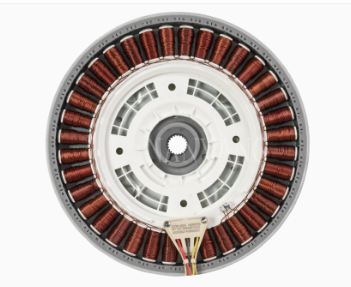
Visão geral: Transmissão direta versus transmissão por correia ou engrenagem
Um motor de acionamento direto elimina um estágio de transmissão intermediário, mas a melhor arquitetura depende da função que o produto deve desempenhar. Esta comparação oferece uma avaliação inicial, não substituindo cálculos de torque-velocidade e testes de protótipos.
|
Fator de decisão |
Acionamento direto |
Transmissão por correia ou engrenagem |
|
Caminho de energia |
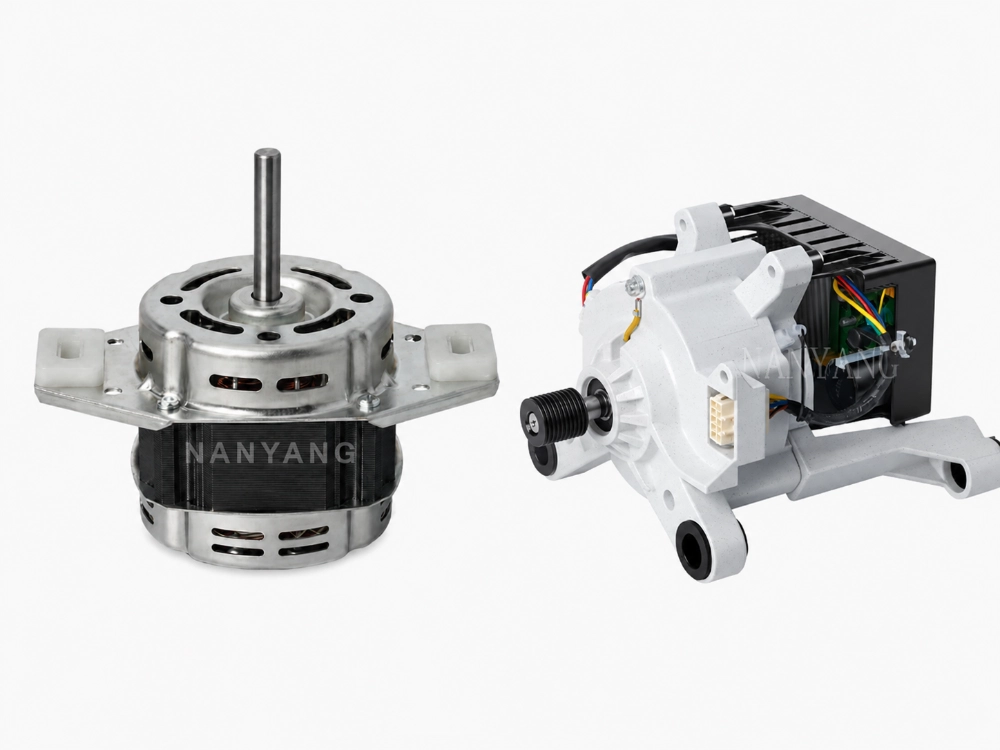
O motor acopla-se diretamente ao tambor, rotor ou carga. |
Correias, polias ou engrenagens transferem a potência do motor para a carga. |
|
Torque e velocidade |
O motor e o controlador devem cobrir diretamente toda a faixa de operação da carga. |
Uma polia ou relação de engrenagem pode trocar a velocidade do motor pelo torque da carga. |
|
Pontos de desgaste |
Não é necessário tensionar ou substituir a correia, mas os rolamentos, retentores, componentes eletrônicos e suportes continuam sofrendo desgaste. |
Adiciona peças de transmissão e requisitos de alinhamento ou tensão. |
|
Integração |
Alta sensibilidade a desalinhamento, balanceamento, rigidez de montagem e inércia da carga. |
Maior liberdade no posicionamento do motor e na seleção da relação mecânica. |
|
Serviço |
Menos componentes de transmissão, mas uma falha no motor pode afetar um conjunto integrado maior. |
Mais peças substituíveis, com pontos adicionais de inspeção e manutenção. |
Quais são as principais vantagens de um motor de acionamento direto?
1. Menos componentes de transmissão
O acoplamento direto pode eliminar correias, polias, acoplamentos ou alguns estágios de redução. Isso encurta o percurso da potência mecânica e elimina a tensão da correia, o envelhecimento da correia e o alinhamento da polia do projeto. Os rolamentos, vedações, superfícies de montagem e mecanismo acionado restantes ainda exigem planejamento de durabilidade.
2. Resposta direta ao torque e controle flexível do movimento
Os comandos do controlador atuam sobre a carga sem uma relação de correia intermediária. Isso permite inversões repetidas em baixa velocidade, aceleração controlada, posicionamento estável ou perfis de velocidade que variam durante um ciclo. O enrolamento do motor, o método de sensoriamento, o limite de corrente e o algoritmo de controle devem ser adequados à aplicação.
3. Oportunidades de Embalagem e Montagem
Um motor de acionamento direto personalizado pode ser construído em torno do componente acionado, em vez de forçar o produto a se adequar a um tamanho de estrutura padrão. Isso pode simplificar o layout de montagem ou liberar espaço anteriormente reservado para a passagem de correias. A equipe de projeto deve levar em consideração o resfriamento, o roteamento do chicote de fios, o acesso para manutenção e o acúmulo de tolerâncias antes de finalizar o projeto.
4. Menor potencial de manutenção mecânica
A remoção da correia elimina um item recorrente de inspeção e substituição. Isso pode reduzir a manutenção mecânica em casos onde o desgaste ou a perda de tensão da correia são problemas conhecidos. No entanto, isso não elimina completamente os riscos operacionais; falhas no controlador, desgaste dos rolamentos, problemas com vedações, desbalanceamento do rotor e erros de instalação continuam sendo possíveis.
Onde são utilizados os motores de acionamento direto?
Acionamentos do tambor da máquina de lavar roupa
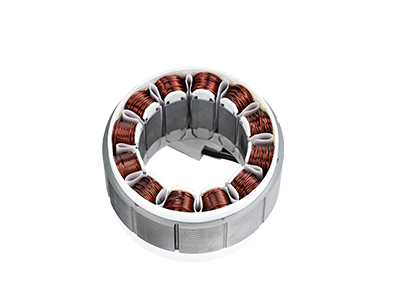
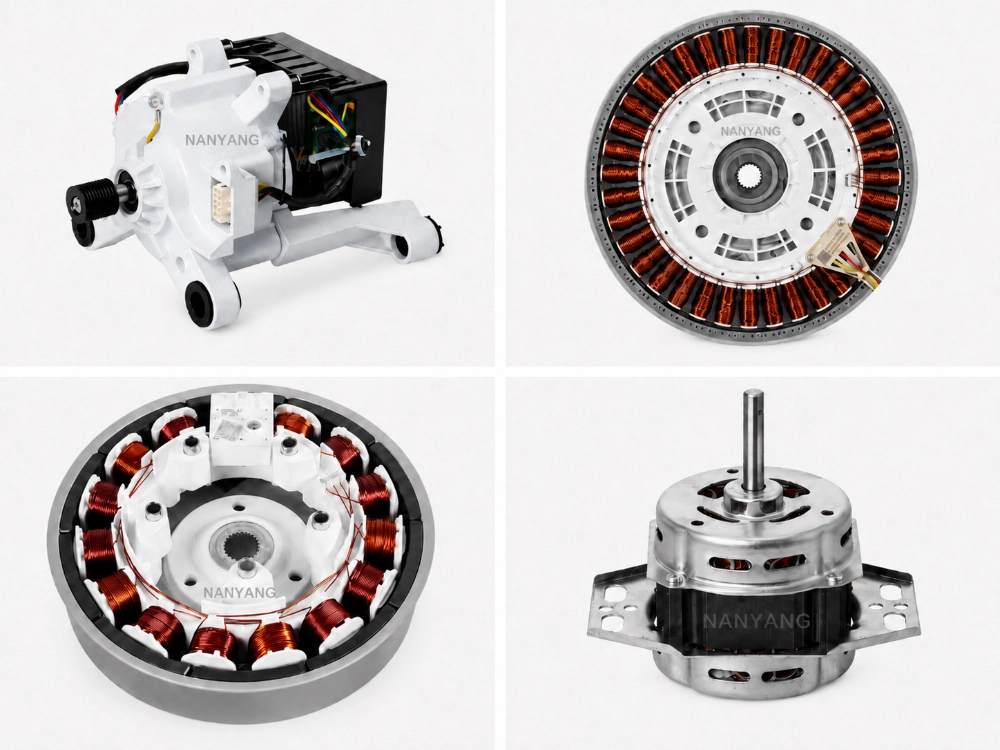
Um motor de acionamento direto de máquina de lavar roupa pode girar o tambor ou o pulsador sem uma transmissão por correia convencional. Os ciclos de lavagem exigem inversões repetidas em baixa velocidade e torque inicial, enquanto os ciclos de centrifugação exigem aceleração controlada a uma velocidade muito maior. Nanyang's DD Motor É uma referência oficial para projetos de máquinas de lavar roupa de tambor; o dimensionamento final depende da geometria do tambor, da carga de água, da velocidade desejada, das condições de desequilíbrio e da estratégia de controle.
Outras aplicações em eletrodomésticos e movimento
O acionamento direto também pode ser adequado para ventiladores, toca-discos, bombas, mecanismos rotativos de precisão e outros produtos que se beneficiam de um menor número de estágios de transmissão ou do controle direto em baixa velocidade. A adequação da aplicação depende do torque contínuo e de pico, da faixa de velocidade, do ciclo de trabalho, das condições ambientais, da faixa de operação permitida e do modelo de serviço aceitável.
Programas OEM personalizados
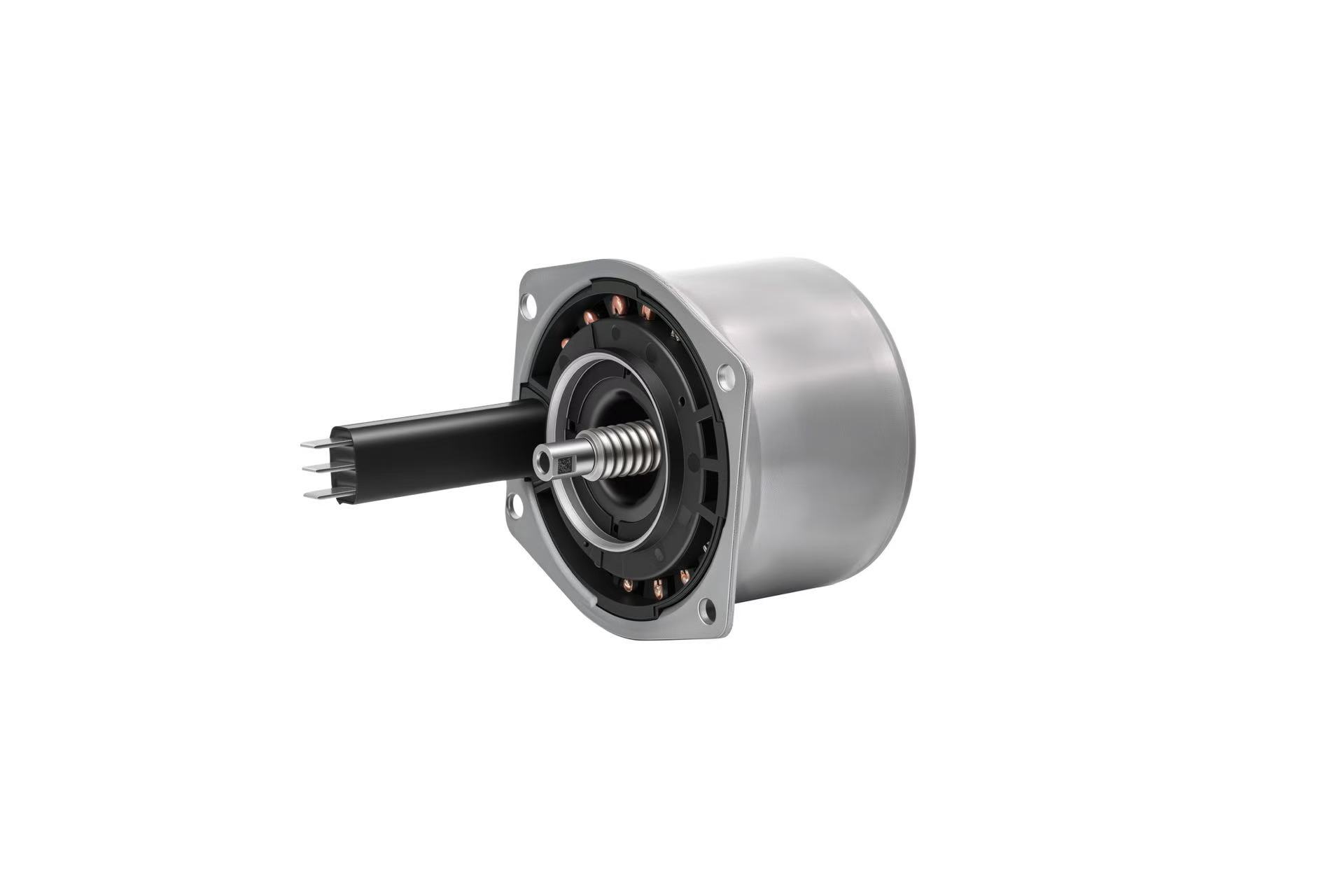
A personalização pode abranger dimensões de montagem, interface do rotor ou eixo, enrolamento, tensão, conector, método de detecção, interface do controlador, proteção ambiental ou validação. Cada alteração deve atender a um requisito documentado do produto e ser controlada por um desenho e plano de testes aprovados.
Quais são as limitações dos motores de acionamento direto?
A mesma arquitetura que gera benefícios também cria responsabilidades de projeto. Artigo histórico de Nanyang sobre desvantagens dos motores de acionamento direto Apresenta um desempenho excelente para consultas relacionadas a acionamento direto e máquinas de lavar roupa, o que reflete a necessidade do usuário de avaliar as vantagens e desvantagens, em vez de buscar apenas vantagens.
Torque em baixa velocidade e demanda térmica
Sem uma relação mecânica, o motor pode precisar de alta corrente para produzir torque em baixa velocidade ou na partida. Inversões repetidas, eventos de carga parada e longos períodos de alto torque podem elevar as temperaturas do enrolamento e do controlador. Especifique a duração do pico, os limites de corrente, o caminho de resfriamento, as premissas de isolamento e a proteção térmica em vez de confiar apenas na potência nominal.
Alinhamento, excentricidade e inércia da carga
O acoplamento direto torna importantes a concentricidade, o desalinhamento, o balanceamento do rotor, a rigidez da montagem e o acúmulo de tolerâncias. Uma inércia grande ou variável altera o tempo de aceleração e o torque máximo. Em uma lavadora, uma carga úmida irregular também pode expor comportamentos vibratórios que um teste com o tambor vazio não detectaria.
Custo do sistema e concentração de serviços
A lista de materiais pode perder correias e polias, mas ganhar um motor com maior torque, sensores de posição, um controlador mais robusto ou validação adicional. A manutenção pode envolver menos peças mecânicas, porém exigir diagnósticos mais precisos para um sistema integrado de motor e controlador. Compare o custo total de instalação e o custo do ciclo de vida, não apenas o preço de compra do motor.
Como um fabricante de equipamento original (OEM) deve selecionar um motor de acionamento direto personalizado?
Comece pela carga e compare as arquiteturas com o mesmo ciclo de trabalho. O alto desempenho Comparação entre máquinas de lavar roupa com acionamento direto e com acionamento por correia É uma explicação complementar útil dos dois caminhos de energia; a decisão do projeto deve então ser confirmada com dados específicos da aplicação.
Elabore a folha de requisitos.
- Defina torque contínuo, de partida, de reversão, de aceleração e de falha, em vez de um único valor de potência nominal.
- Indique a faixa completa de velocidades, o tempo de aceleração, as mudanças de direção, os modos de operação, as partidas por hora e o tempo máximo de funcionamento contínuo.
- Forneça a inércia da carga, a carga máxima em condições de umidade ou processo, os casos de desequilíbrio ou perturbação e o desenho da interface mecânica.
- Especifique a faixa de tensão, a topologia do controlador, o método de detecção, os limites de corrente, o conector, a comunicação e os requisitos de proteção.
- Registre a temperatura ambiente, o caminho de resfriamento, as metas de ruído e vibração, a meta de vida útil, as necessidades de conformidade, o volume anual e o cronograma de amostragem.
Use uma regra clara de "seguir/não seguir".
A transmissão direta é uma excelente opção quando o controle direto em baixa velocidade, um menor número de componentes na transmissão ou um layout específico do pacote têm valor mensurável e o projeto permite uma integração mecânica precisa. Uma arquitetura com correia ou engrenagem pode ser preferível quando a flexibilidade no posicionamento do motor, uma relação de velocidade mecânica, a facilidade de substituição ou a menor complexidade do controlador são mais importantes.
Valide o produto completo.
Os testes de protótipo devem abranger partidas com carga total, inversões repetidas, operação em alta velocidade, variação de tensão, condições de calor e frio, desequilíbrio, ruído e vibração, aumento de temperatura, desligamento de proteção e comportamento de reinicialização. Defina os limites de aceitação antes dos testes e documente o motor aprovado, as configurações do controlador, a revisão do desenho e o processo de controle de alterações. (Nanyang's) capacidade de teste Pode ser usado como ponto de discussão ao definir o plano de verificação.
Conclusão
As vantagens dos motores de acionamento direto são mais evidentes quando um menor número de peças de transmissão, resposta direta ao torque ou um pacote personalizado resolvem um requisito mensurável do produto. Compare a arquitetura com alternativas de correia ou engrenagem, defina a carga e a interface primeiro e valide o motor, o controlador, o componente acionado e o sistema de montagem em conjunto antes do lançamento da produção.
FAQ
Os motores de acionamento direto são sempre melhores que os motores de acionamento por correia?
Não. A transmissão direta permite eliminar componentes de transmissão e melhorar o controle direto da carga, enquanto a transmissão por correia oferece flexibilidade no posicionamento do motor e uma relação de velocidade mecânica. A melhor escolha depende das necessidades de torque e velocidade, do espaço disponível, do custo, da assistência técnica e dos resultados da validação.
Qual é a maior vantagem de um motor de acionamento direto para máquinas de lavar roupa?
A vantagem arquitetônica mais evidente é o percurso mecânico mais curto entre o motor e o tambor. Isso elimina a transmissão convencional por correia, mas o ruído, a eficiência e a durabilidade reais ainda dependem do projeto completo da lavadora.
Qual é a principal desvantagem de um motor de acionamento direto?
O motor deve atender diretamente aos requisitos de torque e velocidade da carga. Isso pode aumentar a sensibilidade à demanda de torque em baixa velocidade, ao projeto do controlador, às condições térmicas, ao alinhamento e à inércia da carga.
O que um fabricante de equipamento original (OEM) deve enviar ao solicitar um motor de acionamento direto personalizado?
Envie o perfil de carga, torque contínuo e de pico, faixa de velocidade, ciclo de trabalho, tensão, detalhes do controlador, desenho mecânico, ambiente, meta de ruído, condições de validação, volume anual e cronograma de amostragem.