BLDC vs Direct Drive Motor Explicado Simplesmente
Hoje as instalações motorizadas precisam de eficiência forte, menos ruído e manejo preciso. Entre as escolhas populares são motores BLDC e motores diretos. Ambos desempenham papeis-chave em muitos campos. No entanto, suas diferenças de construção, traços de trabalho e melhores usos diferem muito. Se você trabalhar em equipamentos de automatização ou dispositivos de casa fantásticos, escolher o tipo motora adequado pode moldar o quão bem as coisas funcionam e o custo completo ao longo de anos.
Para opções avançadas e melhores tecnologias em configurações de dispositivos, vejam os produtos de Huzhou Nanyang Electric-Motor Co., Ltd.Essa empresa é um líder confiável em avanços motores com mais de 30 anos de conhecimento.
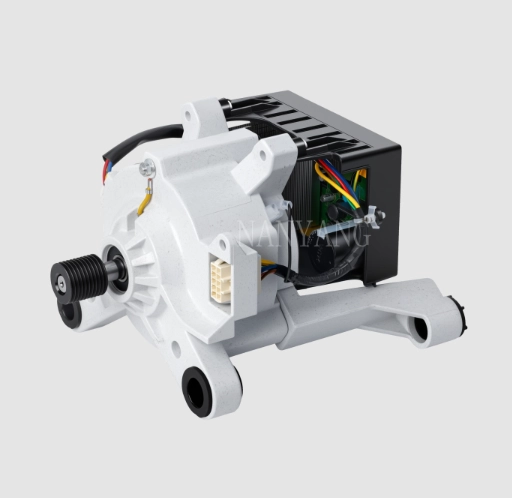
Diferenças chave entre BLDC e Direct Drive Motors
Design estrutural e componentes mecânicos
A divisão básica vem de como o poder se move do motor para a tarefa. Motores BLDC usam uma parte de giro com imãs duradouros. Eles normalmente precisam de peças adicionais como bandas ou caixas para passar pela força. Esses elementos adicionam camadas e pontos onde as coisas podem quebrar.
Por outro lado, motores diretos saltam essas partes médias. Eles ligam o motor diretamente à tarefa. Esses motores funcionam numa simples partida 1:1. Sem bandas ou equipamentos, eles cortam o desperdício de energia e impulsam o quão exato é a transfer ência. Esta construção limpa aparece no Drive Motor itens de NanyangOs engenheiros os preparam para fortes necessidades de for ça sem tornar a mecânica muito difícil.
Características de entrega e eficiência do momento
Motores BLDC brilham em tarefas rápidas. No entanto, eles perdem força através de configurações de equipamentos. Essas perdas de caminho reduzem a saída completa, principalmente quando as cargas ficam pesadas.
Motores diretos dão força forte em giros lentos sem ajuda adicional. A resposta direta da Nanyang Electric-Motor foca na força e poupança de energia. Assim, eles se encaixam bem para empregos que exigem um trabalho equilibrado, poderoso em baixas viradas por minuto.
Casos de Suitabilidade e Utilização de Aplicações
As pessoas escolhem motores BLDC para pequenas configurações onde as rotações rápidas são mais importantes. Pensem em drones ou unidades de refrigeração do ar. Mas quando a exactidão, o calmo e o longo correm em cima da lista -- como em braços robôs ou ferramentas de corte -- motores diretos de condução tomam a liderança.
O motor de motores de Nanyang apoia várias áreas de negócios com configurações personalizadas. Ela ajuda os usos de carros de bateria para tecnologia de saúde. Você pode ver essas configurações em suas R&D Plataforma D.
Metricas de desempenho que distinguem os dois tipos de motor
Controlo de Velocidade e Responsabilidade
Para gerenciar a velocidade Motores BLDCos guias eletrônicos usam sinais de pulso. Isso funciona bem. Ainda assim, traz pequenas esperas de movimento construído e ligações soltas.
Motores diretos cortam esse movimento construído e evitam qualquer brincadeira. Como resultado, eles reagem quase imediatamente. A R&D O grupo D em Nanyang aumenta a velocidade motora com métodos de guia inteligentes. Isso dá entrada clara e saída viva para cada tipo de carga.
Ruído, vibração e suavidade operacional
As configurações do BLDC com bandas ou equipamentos fazem mais som de esfregar. Essas partes também lançam tremores que podem prejudicar o trabalho exato em pontos sensíveis.
Motores diretos funcionam com poucos pedaços em movimento. Portanto, eles fornecem ação calma e constante. Os motores diretos do traje Nanyang estão quietos em lugares cuidadosos. Elas funcionam bem para ferramentas de laboratório, equipamentos de operação e artigos domésticos superiores.
Requisitos de manutenção ao longo do tempo
As instalações com equipamentos no BLDC precisam de óleo e controles constantes. Desde que as peças se esgotam, os custos de manutenção aumentam a longo prazo.
Configurações diretas de condução evitam esses problemas limitando os pontos de uso. Nanyang Electric-Motor estressa a dependibilidade com construções de motores fáceis de cuidado. Isso leva a tempos mais longos e menos paragem.
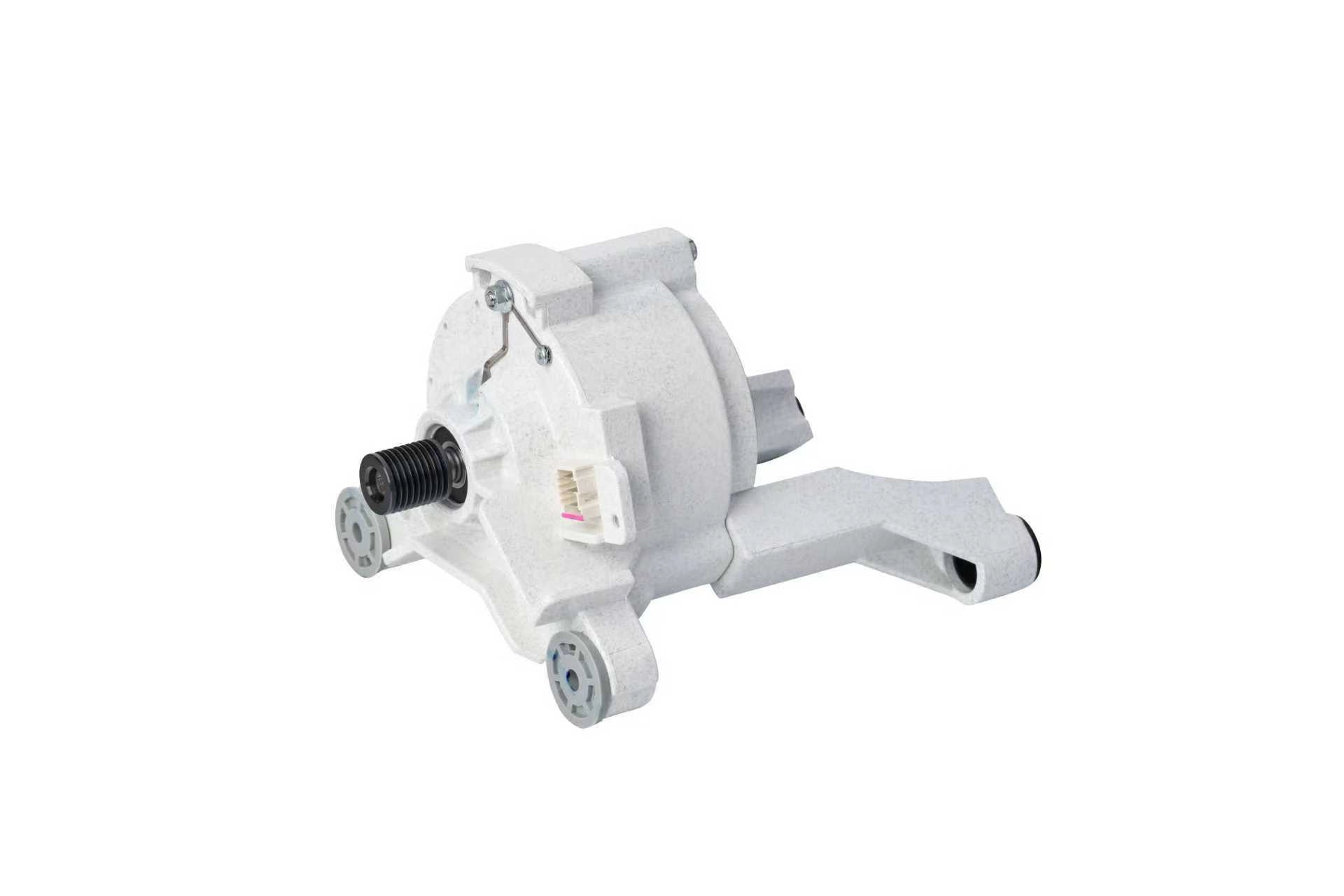
Considerações Técnicas na Integração do Sistema
Complexidade e flexibilidade da instalação
Para encaixar num sistema BLDC, você tem que alinhar muitas partes justamente na configuração. Isso prolonga o tempo de começo e aumenta as chances de ataques errados.
Os sistemas diretos facilitam o processo de montagem. Eles fazem isso cortando pontos de ligação. Nanyang traz construções flexíveis que tornam a adesão à automatização fácil. Assim, eles aceleram o lançamento enquanto mantêm exactidão.
Compatibilidade dos Sistemas de Controlo de Motores
Motores BLDC podem se basear em guias especiais que estreitam o quão bem eles se misturam com outros sistemas. Em contraste, motores diretos voltam frequentemente aos métodos de conversa aberta para fits mais amplos.
Nanyang fornece motoristas e ajuda através de sua área de apoio. Isso assegura uma união suave com o que você já tem.
Estratégias de Gestão Termal em Operação
Motores BLDC podem aquecer demais sob trabalho pesado constante a não ser refrigerados de propósito. Muito tensão de calor pode diminuir a saída enquanto o tempo continua.
A construção de unidades de motor direto espalha o calor melhor sobre seu quadro. Nanyang adiciona planos de calor inteligentes em suas conchas motoras diretas. Isso mantém os melhores níveis de calor em funcionamento durante longas fases.
Implicações de custo da escolha de cada tipo de motor
Inicial Investment Versus Long-Term Value
Motores BLDC geralmente custam menos no início. No entanto, a necessidade de cuidados estáveis cancela esse ganho depois de um tempo.
Os sistemas diretos pedim mais dinheiro à frente. No entanto, elas trazem valor duradouro através de menor uso de energia e menos demandas de cuidado. Nanyang ajuda os compradores a verificar o rendimento de investimento através de conselhos de produtos. Isso coincide com o sentido do dinheiro com seus objetivos.
Consumo de energia durante ciclos de operação
Os sistemas BLDC enfrentam perdas de estradas como bandas ou equipamentos. Essas perdas reduzem a força real de saída.
Os sistemas de condução direta enviam força direta à tarefa. Portanto, eles cortam o desperdício de energia para um mínimo. A poupança de energia construi-se na partida Nanyang hoje’ com objetivos verdes. Eles fazem uma escolha inteligente para fazer ecológicos.
Riscos e impacto da produtividade em tempo inferior
A mecânica camada nos sistemas BLDC levanta pontos de quebra. Cada um pode levar a paradas preciosas.
Mantendo os números de partes baixos, os planos diretos de condução reforçam a estabilidade do sistema. Nanyang guardas correm tempo com construções sólidas e ajuda rápida. Isso reduz o risco geral na sua linha de produção.
Industrial Trends Favoring Direct Drive Adoption
Shift Towards Precision Automation Systems
Os sistemas automóveis atuais exigem manejo spot-on sem esperas ou erros. Os antigos arranjos não conseguem dar esse nível de controle.
Os motores diretos lidam com esses querem melhor do que os gerados habitualmente. As respostas de Nanyang encaixam em áreas como trabalho robô e chip fazendo onde movimentos sem brincar são importantes.
ênfase na sustentabilidade e eficiência energética
À medida que regras verdes ficam mais estritas em todo o mundo, os fabricantes se viram para tecnologia que reduz as necessidades de energia sem cortar a produção.
As unidades diretas mostram maiores escores de saída sobre diferentes tipos de carga. Nanyang tece essas poupanças em seu caminho de construção para apoiar o crescimento ecológico de negócios.
Demanda de soluções de movimento compattas e integradas
Enquanto as ferramentas se reduzem, mas ganham energia, o movimento junto consegue que o espaço de poupança enquanto mantém a saída torna-se vital.
Nanyang traz pequenos grupos motores aptos para a união dos fabricantes. Eles oferecem escolhas muito ajustadas através de seu abastecimento de cadeia completa. Isto passa de fio revestido a unidades motoras completas.
Recomendações de Produtos da Huzhou Nanyang Electric-Motor Co., Ltd.
Características da linha de produtos motores
O principal Drive Motor a linha dá energia máxima até 250kW. Ela atinge níveis de força até 400 Nm. Esses motores refrigerados com água ou petróleo chegam a 20.000 km/h. Eles possuem ≥97% de produção - perfeito para tarefas difíceis de negócios ou EV.
Os construtores adicionam sistemas de senso integrados para melhor lidar com a exactidão. Eles ajudam campos onde a produção constante conta mais.
Avantagens de escolher Nanyang como fornecedor
Seus próprios estudos e desenvolvimentos D mantém ideias frescas vindas, adequadas ao que os compradores precisam. Com um estilo de fabricação de cadeia completa, a empresa mantém custos baixos. Ao mesmo tempo, mantém marcas de alta qualidade. Cheques como ISO9001 e IATF16949 apoiam isso.
Como se envolver com sua equipe de engenharia
Você pode começar perguntas através do principal portal de contato. As palestras tecnológicas estão prontas para correcções personalizadas que correspondem à sua tarefa precisa bem. Isso abrange a configuração de ajustes para ligar os ajustes.
Resumo Comparação para a tomada de decisões em engenharia
Quando escolher um motor BLDC
Escolha um motor BLDC quando seu trabalho precisa de giros rápidos em espaços apertados a um custo de arranque menor. É melhor quando sistemas de corte de equipamentos já estão em posição ou funcionam dentro de seus limites de construção.
Quando escolher um Motor Direct Drive
Procurem motores diretos quando sua tarefa solicita a configuração exata de pontos sem brincar. Exemplos incluem sistemas de movimento de chips ou de disposição EV. Suas longas lacunas de cuidado as fazem grandes onde o acesso ao tratamento permanece difícil ou preço.
Para verificar a nova tecnologia de motorização direta feita hoje’ s necessidades, olhem para os itens mais novos em Alinhamento da Nanyang's Drive Motor.
Alinhar a escolha motora com os requisitos do projeto
Base sua escolha em necessidades de força, configuração de limites de sala, ciclos de trabalho, esperanças de longo prazo e objetivos de energia. Pesar custos de vida inteira sobre apenas começar gastos. Para conselhos adaptados ao trabalho e parejar o sistema, ligar-se A equipe de engenharia de Nanyang agora mesmo.
FAQ
Q1: Quais são as principais diferenças estruturais entre BLDC e motores diretos?
A: Motores BLDC requerem cintos ou engrenagens para transmissão de momentos; os motores diretos eliminam esses intermediários se acoplando diretamente com a carga.
Q2: Qual tipo de motor oferece melhor eficiência energética?
A: Motores diretos são geralmente mais eficientes devido a perdas mínimas de transmissão em comparação com sistemas BLDC.
Q3: Os motores diretos podem substituir o BLDC em todas as aplicações?
A: Não sempre; Enquanto os motores diretos excelem em tarefas de precisão, os BLDC podem ser mais rentavelmente eficazes para ambientes de alta velocidade ou espaço restrito.
Q4: São sistemas diretos mais difíceis de instalar?
A: Não; elas simplificam a instalação reduzindo os requisitos de alinhamento graças a menos componentes.
Q5: Onde posso obter suporte técnico ou pedir uma solução motor a personalizada?
A: Você pode alcançar através página oficial de contato da Nanyang Electric-Motor Co., Ltd. para iniciar consultas adaptadas aos requisitos de seu projeto.