The Importance of Electronic Oil Pumps in EV Battery Cooling Systems
Electric vehicles have evolved beyond limited options. Capacity in batteries continues to expand steadily, rapid charging gains widespread use, and demands for output grow annually. However, beneath statistics on distance traveled and speed gains, regulation of heat plays a vital role in deciding if a battery assembly endures for eight years or falters after merely three. As you assess an EV setup, management of temperature stands as more than a minor aspect. It impacts endurance, security, and expenses over extended periods directly.
Within the area of motor production, Huzhou Nanyang Electric-Motor Co., Ltd. has participated actively since 1992. The firm began with components like stator and rotor units. Over time, it broadened into full motor assemblies. Later, it concentrated on motors for vehicles using new energy. Supported by over 2,000 workers, five sites for manufacturing, 18 lines for producing EV motors, and 109 patents, the organization has established a complete chain for industry that includes motors for driving and electronic oil pumps. During 2024, sales of motors for new energy surpassed one million pieces, which highlights the swift expansion in this field.
Heat from batteries can turn into a major obstacle in design. In such situations, electronic oil pumps gain importance beyond what many anticipate.
The Critical Need For Efficient Battery Cooling Systems In Electric Vehicles?
Cooling for batteries remains out of sight for those operating the vehicle.
Why Battery Cooling Matters For EVs
Cells made from lithium function inside a limited span of temperature. If warmth climbs beyond the advised limits, resistance inside rises, and reactions chemical speed up. Gradually, this results in decline in capacity and shorter duration for cycles.
During drives with heavy demands, cycles of speeding up repeated, or charging fast on a regular basis, warmth builds up rapidly. Even when efficiency in the drive motor surpasses 95 percent in most scenarios of operation, the battery produces heat during processes of charging and releasing power.
In assemblies of batteries that are sizable, cooling that varies creates areas of intense heat locally. Degradation typically starts in those spots. As soon as structures inside suffer harm, the damage stays irreversible. Breakdown in electrolyte cannot be undone.
Considering expenses, swapping out modules for batteries costs much more than establishing a dependable circuit for cooling right from the start. For this reason, control of circulation in fluids takes a central position in the design of EVs.
Should cooling prove inadequate, the outcomes extend past small disruptions. They can intensify swiftly.
What Happens When Battery Temperature Is Not Properly Managed?
Initially, indicators appear faint. Distance covered decreases more quickly than planned. Duration for charging lengthens. Output seems somewhat diminished in conditions of warmth.
As contact with high temperature persists, pressure within builds up. Cells might expand. Systems for protection activate more often, restricting power output. In severe situations, excessive warmth can trigger runaway thermal, which poses substantial dangers to safety.
Producers have discovered these issues through difficult experiences. A system for cooling that remains steady has become essential rather than elective. It forms a component of trust in the brand.
How Electronic Oil Pumps Improve Battery Cooling Efficiency?
Pumps of the mechanical type in traditional setups depend on the turning of the engine. For vehicles electric, such an approach no longer fits. Regulation needs to function separately and react promptly.
What Is An Electronic Oil Pump And How It Works In Cooling Systems?
An electronic oil pump functions through control electrical rather than connections mechanical. Its pace changes in response to inputs from the unit controlling the vehicle.
Within systems for managing heat in batteries, fluid for cooling or oil moves via plates for cooling and exchangers for heat located inside the pack for batteries. As devices for sensing identify warmth rising, the pace of the pump rises. When need lessens, the flow diminishes on its own.
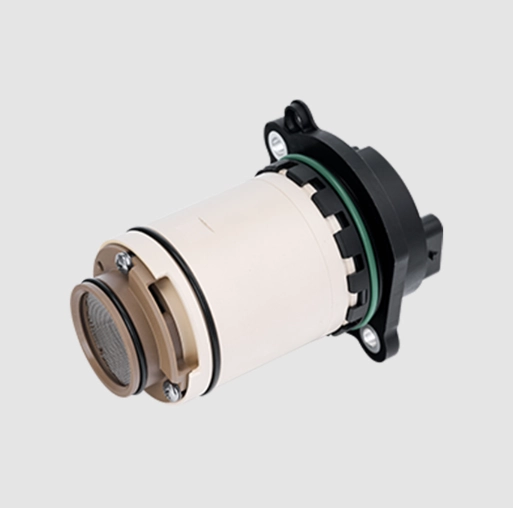
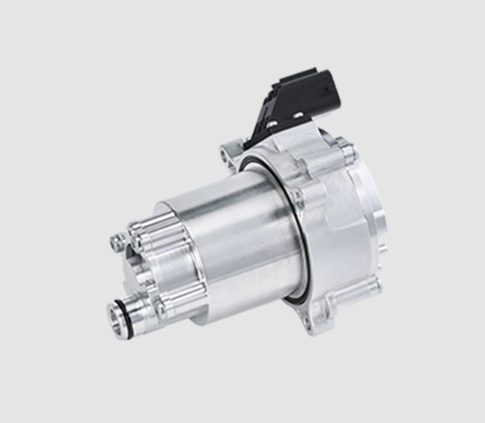
The Electronic Oil Pump created by Huzhou Nanyang serves purposes in applications of new energy specifically. Essential details encompass choices for voltage rated at 12V and 24V, levels of power at 120W, 180W, and 300W, and rates for maximum flow at 12L, 16L, or 20L each minute. Pace in operation extends from 500 to 4500 RPM, which permits adjustments detailed under varying situations of work.
Time for response can stay under 50 milliseconds in setups of systems particular, and use of energy can drop by about 30 percent when compared to pumps mechanical of the traditional kind. This variation holds significance in routine drives.
Details of specifications by themselves fall short of sufficiency, however. Capacity for production and uniformity decide if output endures during supplies in large quantities.
How Huzhou Nanyang’s Electronic Oil Pumps Make A Difference
At Huzhou Nanyang Electric-Motor Co., Ltd., production of electronic oil pumps occurs on lines dedicated to the task. Out of the 18 lines for production of EV motors, two focus solely on electronic oil pumps. Parts central like cores for stators, cores for rotors, wire enameled, casings, and covers for pumps get made internally. The rate for manufacturing key parts by oneself arrives at nearly 90 percent.
Range for temperature in operation covers from -40℃ to 120℃, which matches needs for vehicles around the world. Changes in pressure for supply of oil can remain within boundaries narrow. Modules for monitoring intelligent deliver input on circuits for oil in real time, achieving accuracy in warnings for faults over 92 percent.
From 2019 onward, items for motors automotive provided by the firm have upheld a record free of defects in usage within markets for models of 3MIS, 6MIS, and 12MIS. Such steadiness instills assurance when adding pumps into circuits for cooling batteries.
Key Benefits Of Using Electronic Oil Pumps For Battery Cooling?
As you review parts, attention goes beyond mere details of specs. Emphasis falls on duration of use, buffer for safety, and cost in operation.
Enhancing Battery Life And Performance
Circulation steady in coolant maintains modules for batteries inside a span of temperature regulated. This process retards breakdown chemical and safeguards capacity across periods extended.
In efforts of partnership inside the field of vehicles for new energy, systems combining motors for drive and pumps electronic for oil have attained efficiency in the system overall near 94 percent, alongside gains in range for vehicles of roughly 10 percent. These outcomes arise from handling thermal in harmony.
Every motor also faces a test of operation under full load continuous for two hours before dispatch. When paired with over 30 steps for checking and tracing via barcodes, control in production bolsters duration of service long.
Duration for batteries advances in a manner unobtrusive. Users may remain unaware of the cause, but they observe when distance covered stays consistent following years of employment.
Boosting The Safety Of Electric Vehicles
Increases sudden in temperature often signal issues broader. Through control electronic, pumps for oil modify flow right away as warmth grows.
Designs for protection encompass guards against current excess, voltage excess, heat excess, and stalling. Items fulfill needs for level insulation F and ratings for waterproof IP relevant. Safeguards structural like these lower the chance of events linked to overheating.
Security gets constructed in levels multiple. Steadiness in cooling constitutes one such level.
Energy Efficiency And Cost-Effectiveness
Pumps electronic for oil supply oil according to need. As load thermal eases, pace falls in suit. This action cuts use of energy that proves unneeded.
In systems for vehicles new energy that receive optimization, uses of pumps electronic for oil have lowered consumption of energy by nearly 18 percent in conditions of work specific. Across thousands of vehicles and millions of hours in operation, this gap converts into reductions that measure clearly.
Endurance further trims cost for upkeep. Certain clients from abroad have noted operation steady in products for motors over ten years in settings of high temperature. Duration of service extended decreases how often replacements occur and eases demands on stock.
Challenges In Battery Cooling And How Electronic Oil Pumps Address Them?
As packs for batteries enlarge and structures for vehicles vary more, systems for cooling need to adjust accordingly.
The Complexity Of Integrating Cooling Systems In EVs
Vehicles electric modern merge packs for batteries, motors for drive, inverters, and compressors all within confines of space restricted. Directing lines for coolant through arrangements compact demands planning meticulous.
Variations in climate introduce further challenges. Vehicles marketed in areas northern must function beneath cold extreme, whereas others function amid heat in deserts. Flow requires steadiness across both scenarios.
Lacking control exact, flow excessive squanders energy, and flow inadequate forms spots hot. Equilibrium holds utmost importance.
Solutions Offered By Electronic Oil Pumps
Pumps electronic for oil furnish flow modifiable over a spectrum broad of RPM, permitting alignment precise with size of battery and load thermal.
At Huzhou Nanyang Electric-Motor Co., Ltd., groups for research and development work alongside institutions of higher learning and specialists technical from abroad. Backed by 109 patents and refinement ongoing in structure, design of products advances in parallel with demands from platforms for vehicles.
Production draws on machines for winding CNC automated, gear for punching precision at high speed, and centers for testing electrical self-reliant. Each motor deemed suitable bears a code barcode distinct for following traces. Systems for quality adhere to standards automotive of ISO9001, ISO14001, and IATF 16949.
Proficiency technical needs to convert into use in the real world. There, knowledge from practice gains worth considerable.
Real-World Applications Of Electronic Oil Pumps In Battery Cooling Systems?
Information from engineering carries weight, but output on roads validates dependability.
Case Studies Of Successful Implementations
In alliances with makers foremost of vehicles for new energy, answers combining motors for drive integrated and pumps for oil electronic have secured volumes for supply yearly beyond 100,000 units.
Efficiency in systems arrived at 94 percent, and range for vehicles rose by about 10 percent following betterments in coordination thermal. Across three years of alliance, no issues of quality in batches surfaced in projects particular.
Outcomes like these mirror strength in design and steadiness in production alike.
Huzhou Nanyang’s Contribution To The Electric Vehicle Industry
With shipments to over 30 nations and close to half of items directed overseas, the firm functions amid chains for supply global. Its approach of service one-stop encompasses design for systems drive, making of parts core, and aid for assembly complete.
If efforts in your project demand tailoring or talks technical, data thorough awaits at the Contact Page. Exchanges early frequently avert postponements in integration down the line.
Why Choose Huzhou Nanyang Electric-Motor Co., Ltd. For Your Cooling System Needs?
Selection of parts shapes the cycle of life for the entire vehicle. Dependability, extent of operations, and aid hold equal weight to cost.
The Expertise Of Huzhou Nanyang Electric-Motor Co., Ltd.
Experience exceeding 30 years in making motors has forged a framework industrial developed. The organization manages four segments business primary and various branches, spanning motors automotive and elements associated.
Parts core receive production inside, which heightens uniformity and lessens shifts in supply. A setup photovoltaic on the roof even aids aims for manufacturing green, producing roughly 800,000 kWh each year.
Comprehensive Support And Customization
Capacities varying in batteries and categories for vehicles call for approaches diverse in cooling. Tweaks in parameters and tailoring structural can arrive inside cycles for development managed.
Groups technical offer backing at level of systems from phase of design to production in masses. Reaction after sales functions nonstop, with aid technical set up generally inside 48 hours as needed.
Importance of cooling shall escalate further as density in power for batteries advances.
The Future Of EV Battery Cooling With Electronic Oil Pumps
As paces for charging climb and output of power in vehicles keeps advancing, loads thermal shall mount. Systems for cooling batteries must react swifter and employ less energy simultaneously.
Pumps electronic for oil supply handling of fluid controllable and effective, fitting platforms for EVs of coming generations. When combined properly, they shield duration for batteries, heighten buffers for safety, and back regulation of cost over long terms.
Detailed data on products and foundation technical can get explored at Huzhou Nanyang Electric-Motor Co., Ltd. and specs reviewed for the Electronic Oil Pump to gauge fit with design of your system.
FAQ
Q1: Why should you use an electronic oil pump instead of a mechanical pump in EV battery cooling?
A: Pumps electronic for oil function separately and modify flow drawing from need in temperature real time. This enhances speed in reaction and trims consumption of energy unneeded.
Q2: What temperature range can these pumps handle?
A: Range typical for operation stretches from -40℃ to 120℃, fitting settings both cold and with high temperature.
Q3: How does stable cooling extend battery life?
A: Keeping temperature uniform retards degradation chemical internal, lessens fade in capacity, and averts harm from overheating.
Q4: Are these pumps suitable for high-volume production programs?
A: Indeed. Lines for production dedicated, rates high for manufacturing self, and processes for inspection quality multi-step back supply automotive on large scale.
Q5: What support is available after purchase?
A: Advice technical, help for integration of systems, and reaction after sales 24/7 stand ready to aid in settling matters of operation or integration promptly.