The Complete Guide to Drive Motors: Types, Working Principles, and Applications
Electric vehicles, industrial automation setups, and contemporary machinery depend heavily on a single vital part that subtly influences overall operation: the drive motor. Whether an electric passenger vehicle speeds up on a major road or a robotic limb executes exact actions along an assembly line, the motor serves as the component that transforms electrical power into physical movement.
Within an electric propulsion arrangement, the drive motor takes the place of the usual internal combustion unit and forms the central element of the driving mechanism. Its structure has a direct impact on energy use, force generation, sound intensity, and enduring dependability. Additionally, specialists assess torque provision, heat regulation, and management setups when creating solutions for electric transport.
This overview details the nature of a drive motor, its operational method, the primary categories employed in current setups, and the fields where these motors find use. Furthermore, it offers useful advice on selecting an appropriate provider and emphasizes the technical strengths cultivated in the electric motor sector.
What Is a Drive Motor?
A drive motor constitutes an electric motor crafted to transform electrical power into mechanical movement for propelling devices or automobiles. In basic terms, it generates the turning force necessary to operate wheels, mechanical arrangements, or factory equipment.
In electric vehicles, the drive motor substitutes the combustion engine and acts as the primary energy source. Rather than consuming fuel, the arrangement draws electrical power from a battery assembly and changes it into mechanical force. This straightforward transformation boosts energy effectiveness and cuts down on pollutant releases when contrasted with standard engines.
Present-day electric vehicle arrangements frequently depend on permanent magnet synchronous motors since they supply robust torque generation within a limited space. Elevated power concentration permits creators to lessen the total weight of the vehicle. At the same time, these designs ensure quick speedup and even operation.
Such arrangements cater to electric transport needs. They generally incorporate refined electromagnetic forms to enhance energy use and power responsiveness. Superior efficiency in electric drive arrangements can greatly prolong travel distance and diminish power usage.
In actual use, drive motors need to satisfy various essential standards. They have to produce consistent torque over an extensive speed spectrum. Moreover, they must sustain elevated efficiency amid repeated speedup and slowdown phases. They also require dependable function in harsh thermal environments. Vehicle surroundings can fluctuate from freezing winter states under -40℃ to intense warmth over 100℃.
How Does a Drive Motor Work?
A drive motor functions via electromagnetic exchange between the stator and rotor elements. As electric current passes through the stator coils, it forms a turning magnetic zone. This magnetic zone engages with the rotor. Consequently, the rotor turns and creates mechanical movement.
The battery holds electrical power. The inverter shifts direct current from the battery into alternating current appropriate for the motor. Once the electrical impulse arrives at the motor coils, the electromagnetic zone prompts the rotor to revolve. That turning force transfers to the wheels via a transmission or direct drive setup.
Management electronics oversee this sequence in immediate fashion. Torque management modifies the output force based on operator needs. Speed oversight ensures the motor stays within secure boundaries. The inverter further handles voltage and current magnitudes to preserve steady operation.
Contemporary electric drive arrangements reach remarkably elevated efficiency thresholds. In numerous configurations, efficiency surpassing 95 percent applies to over 80 percent of the functional spectrum. This broad zone of superior efficiency assists electric vehicles in upholding robust operation during urban travel and expressway scenarios alike.
Heat regulation holds a vital position as well. Oil-based cooling setups appear frequently in powerful motors. Oil flows around the stator and rotor grouping, extracting warmth and steadying working temperatures. Consistent thermal states aid in preserving extended operational duration and uniform power delivery.
Key Components of a Drive Motor System
A drive motor arrangement includes multiple essential parts that collaborate to yield reliable movement.
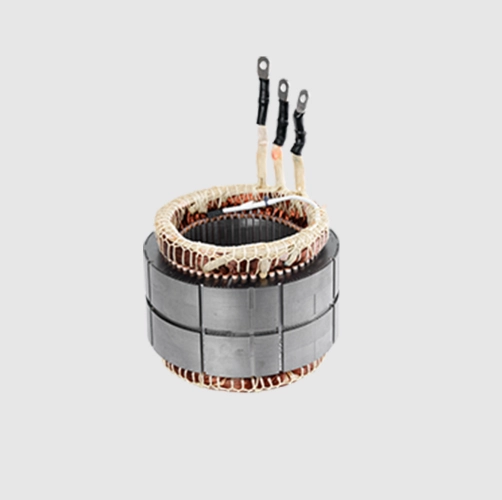
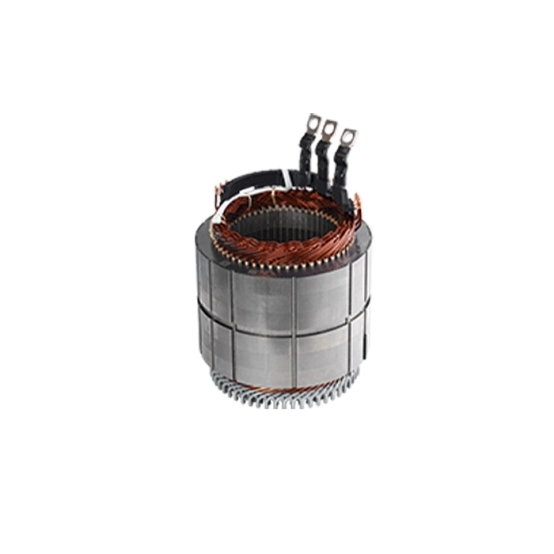
The stator represents the fixed portion of the motor. It houses coils constructed from copper wire and layered silicon steel plates. When electrical current moves through the coils, a turning magnetic zone forms.
The rotor resides within the stator and revolves upon contact with the magnetic zone. In various electric vehicle motors, the rotor incorporates permanent magnets that connect with the stator zone. This magnetic connection yields turning torque.
The inverter or controller oversees electrical supply to the motor. It adjusts voltage, current, and frequency to secure exact speed and torque oversight. This electronic part fundamentally operates as the central intelligence of the electric drive arrangement.
Cooling setups preserve secure working temperatures. Oil cooling prevails because it delivers effective heat movement and accommodates high-power function.
Progressive motor fabrication more and more employs hairpin flat wire coil technology. This approach substitutes conventional round wire with rectangular copper lines. Flat wire elevates the slot occupancy percentage and lowers electrical opposition. The outcome involves greater efficiency and increased power concentration.
When these parts integrate properly, the motor can furnish substantial torque. Simultaneously, it upholds energy effectiveness throughout a broad functional spectrum.
Types of Drive Motors
Various categories of electric motors commonly appear in drive arrangements. Each possesses distinct features and usage strengths.
The Permanent Magnet Synchronous Motor stands as the prevailing configuration in electric vehicles at present. It furnishes elevated efficiency and superior torque generation. Permanent magnets within the rotor establish potent magnetic zones without needing extra electrical current. This aspect boosts general efficiency and lessens warmth production.
Induction motors form another frequent configuration. Rather than permanent magnets, they depend on electromagnetic induction to produce rotor currents. The framework remains straightforward and trustworthy. Production expenses prove lower as well. For numerous factory uses, induction motors continue as a sensible option.
Brushless DC motors gain widespread employment, particularly in compact drive arrangements and exact machinery. These motors offer elevated efficiency and precise speed oversight. Since they avoid mechanical brushes, upkeep needs decrease relative to standard DC motors.
Advantages of Modern Drive Motors
Contemporary drive motors furnish several noteworthy gains relative to conventional mechanical power setups.
Elevated efficiency ranks as one of the foremost benefits. Electric drive motors can attain efficiency thresholds beyond 95 percent in ideal states. This superior efficiency enhances vehicle distance directly and curtails energy use.
Elevated power concentration emerges as another central attribute. Sophisticated electromagnetic structure enables motors to generate additional power per weight unit. Lighter motors diminish the aggregate mass of vehicles. In turn, this boosts speedup capabilities.
Broad thermal operation capacity holds importance too. Numerous automotive motors function dependably between -40℃ and 125℃. This span permits vehicles to operate in severely cold winters and warm summer settings without operational decline.
Applications of Drive Motors
Drive motors feature in numerous current technologies.
Electric vehicles mark the most evident usage. Passenger automobiles, hybrid models, and commercial electric trucks all depend on electric motors as their chief propulsion mechanism.
Electric buses and delivery vehicles utilize drive motors for city transit. These automobiles gain from subdued operation and reduced energy expenses.
Industrial automation setups employ electric drive motors to energize robotic limbs, transport belts, and precise production devices. Substantial torque oversight enables robots to carry out repeated duties with accurate movement.
Drive motors also serve in renewable energy devices and intelligent transport setups. Electric drive components assist in powering mechanized transit systems and specialized factory machines.
In various instances, specialists select combined motor resolutions that merge the motor, controller, and cooling setup into one unit. This combination streamlines arrangement design and bolsters dependability.
How to Choose the Right Drive Motor?
Selecting an appropriate drive motor demands thorough assessment of multiple technical aspects.
Power needs arise as the initial consideration. The necessary output power, torque magnitude, and speed spectrum for the usage must be established. Electric vehicles generally need motors able to supply substantial torque at reduced speeds. At the same time, they must preserve efficiency at elevated speeds.
Efficiency and cooling approaches warrant examination too. Motors that uphold efficiency over a wide functional spectrum aid in lowering total energy use. Oil-cooled variants often yield superior thermal steadiness in powerful setups.
Dependability and approval standards matter similarly. Numerous motor producers adhere to global norms like ISO9001, IATF16949, CE, and UL. These approvals signify that fabrication processes fulfill rigorous quality criteria.
Lastly, provider background merits review. Investigative prowess, fabrication volume, and sector knowledge frequently dictate the extended-term trustworthiness of the motor arrangement.
Why Choose Nanyang Drive Motors?
In the electric motor sector, fabrication background exerts considerable influence. One instance involves Huzhou Nanyang Electric-Motor Co., Ltd., an organization established in 1992 that has gathered over three decades of background in motor structure and fabrication.
The organization has evolved from generating stator and rotor elements into a substantial entity encompassing the full motor production sequence. At present, it manages several fabrication sites and engages more than two thousand employees.
A committed automotive motor investigative unit bolsters technological advancement. The organization has compiled 109 patents, encompassing invention patents and utility model patents. Partnerships with academic institutions and global technical specialists have additionally broadened investigative strengths.
Fabrication volume emerges as another prominent aspect. The organization runs eighteen production lines focused on electric vehicle motors. These lines receive support from exact coil machines, mechanized assembly tools, and rapid stamping devices. This foundation facilitates extensive fabrication while upholding consistent product standards.
In-house fabrication of vital elements further reinforces quality oversight. Stator cores, rotor parts, enameled wires, and molded components receive internal production. This unified supply chain enhances product uniformity and trims fabrication expenses.
Electric vehicle motors crafted via this arrangement have secured a zero defect outcome in the automotive sector since commencing involvement in 2019. Every motor further submits to broad evaluations, including full load function tests, to confirm dependability.
Conclusion
Drive motors have developed into indispensable parts in current electric transport and factory automation. Their capacity to change electrical power into effective mechanical movement positions them as the nucleus of electric power arrangements.
Progress in electromagnetic structure, cooling methods, and management electronics has markedly elevated motor efficiency and operation. Substantial power concentration, extensive thermal capacity, and quiet function render contemporary electric drive motors fitting for automobiles, robotics, and sophisticated machinery.
Upon choosing a drive motor, focus must address power needs, efficiency spectrum, cooling setups, and provider background. A fabricator possessing robust investigative capacity and established fabrication quality can notably enhance the operation and dependability of the ultimate arrangement.
FAQ
Q1: What Is the Main Function of a Drive Motor?
A: A drive motor transforms electrical power into mechanical movement that propels automobiles or devices. It creates torque and turning speed that energize wheels, machines, or factory systems.
Q2: Why Are Permanent Magnet Motors Common in Electric Vehicles?
A: Permanent magnet synchronous motors furnish elevated efficiency and robust torque concentration. They supply steady operation across a broad functional spectrum and accommodate compact vehicle propulsion structures.
Q3: What Efficiency Can Modern EV Drive Motors Reach?
A: Numerous contemporary electric vehicle motors attain efficiency exceeding 95 percent. In refined configurations, this superior efficiency encompasses over 80 percent of the motor’s functional spectrum.
Q4: What Temperature Range Can Automotive Drive Motors Handle?
A: Automotive drive motors generally function within a thermal span from -40℃ to 125℃. This extent enables automobiles to operate dependably in both severely cold and warm settings.
Q5: What Factors Matter Most When Selecting a Drive Motor Supplier?
A: Key aspects encompass fabrication background, investigative capacity, production volume, quality approvals, and the proficiency to deliver tailored motor resolutions. These components affect product trustworthiness and extended-term arrangement operation.