BLDC vs DD Motors: Key Differences and Advantages
In current electrical setups and household device design, choosing the right motor greatly affects product performance, steady operation, power usage, and user satisfaction. Among popular motor varieties, Brushless DC motors and Direct Drive motors serve as essential technologies for reliable uses. Each type brings unique build features and operational benefits. These elements shape product placement and enduring worth.
Huzhou Nanyang Electric-Motor Co., Ltd. stands as a leading producer with over thirty years in the field. The firm focuses on studying, creating, and mass-producing motor setups. It has built a full supply chain that includes vital parts like stators, rotors, and enameled wires. This setup ensures strong product uniformity and expense management. Employing more than 2,000 workers, it runs several factory sites and holds over 100 patents. Such technical expertise backs motors for home devices and systems in new energy vehicles. Thus, it acts as a dependable ally in worldwide markets.
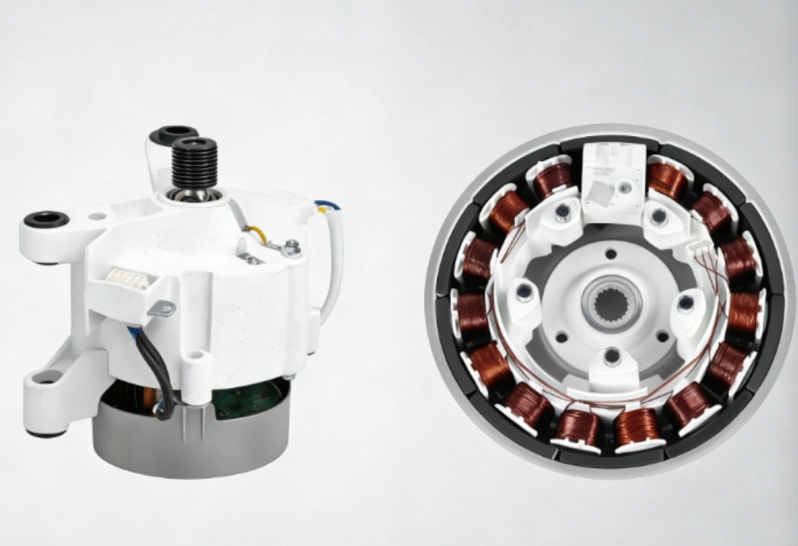
What Is A BLDC Motor And How Does It Work?
The Brushless DC motor functions via electronic switching. It swaps out old-style mechanical brushes for an electronic device that manages current in the stator coils. This setup lets the rotor, fitted with permanent magnets, turn in sync with the stator’s magnetic field.
Core Working Principle Of BLDC Motors
An outside controller powers the stator coils in a set order. This creates a turning magnetic field that moves the rotor. Without brushes touching commutators, friction drops a lot. As a result, efficiency rises, and the motor lasts longer. In real uses, BLDC motors reach power-saving rates above 90 percent. Some fine-tuned versions get close to 95 percent.
BLDC motor items made for washers and dryers show steady speed handling. They allow easy shifts between cleaning, rinsing, and spinning stages. Based on technical info, these motors cut power use by about 20 to 30 percent over usual options. At the same time, they keep reliable torque delivery.
Advantages And Limitations Of BLDC Motors
BLDC motors give strong efficiency, extended durability, and accurate speed adjustment. These traits fit uses needing active control and small builds.
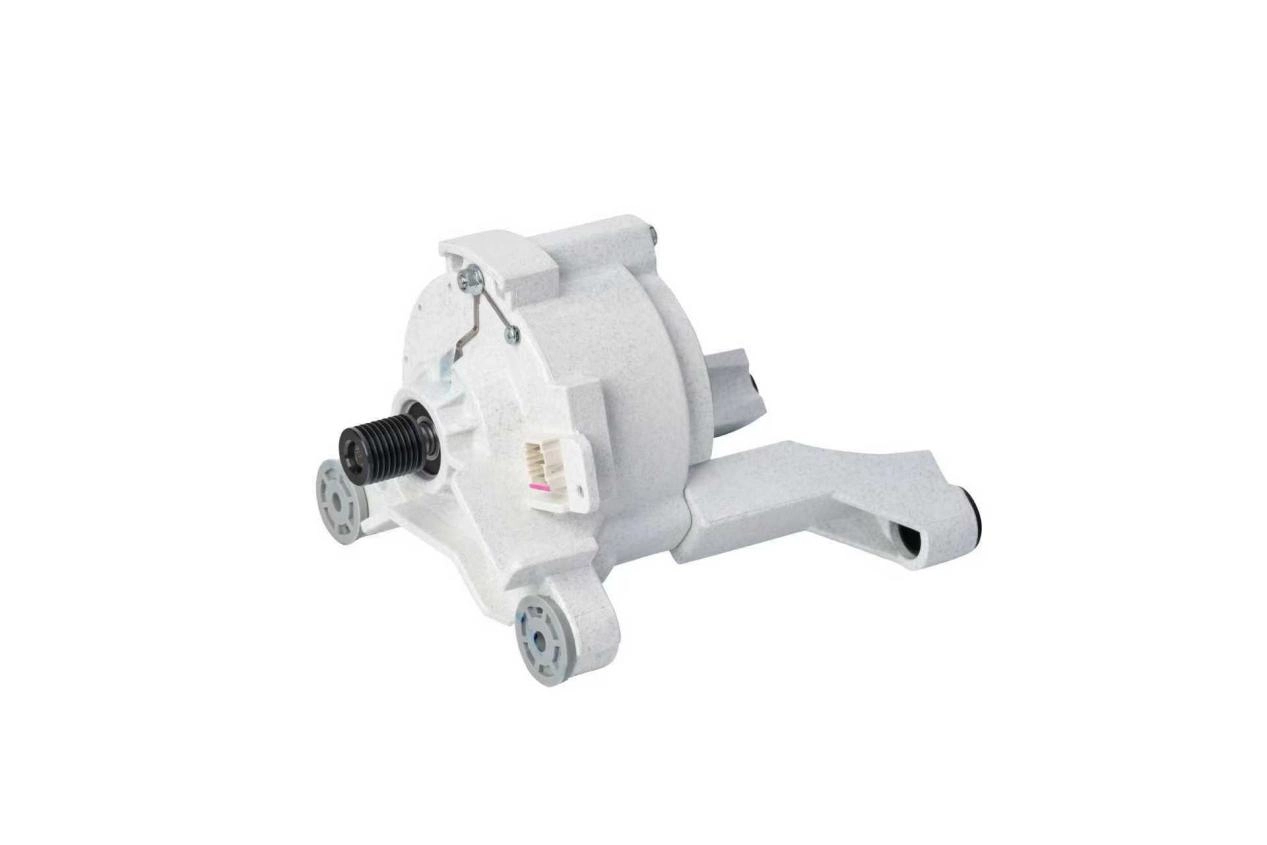
What Is A DD Motor And How Does It Work?
The Direct Drive motor marks a key change in motor builds. It removes middle transfer parts and links the motor shaft straight to the driven item.
Direct Drive Structure And Operation
In a DD motor setup, the rotor joins directly to the load. This gives a direct one-to-one transfer rate without belts or gears. Almost all produced torque goes to the load. Energy waste during work stays low. Without transfer parts, the mechanical build gets simpler. Overall dependability improves as well.
DD motors used in washers holding up to 25 kilograms show better cleaning results and less cloth damage. This comes from exact motion handling. The straight link design also aids a steadier turning process. It proves helpful especially in slow-speed, strong-torque tasks.
Advantages And Trade-Offs Of DD Motors
DD motors mainly bring better transfer efficiency, quieter sounds, less shaking, and small upkeep demands. In well-tuned systems, sound stays under 55 decibels. This makes a calmer work setting.
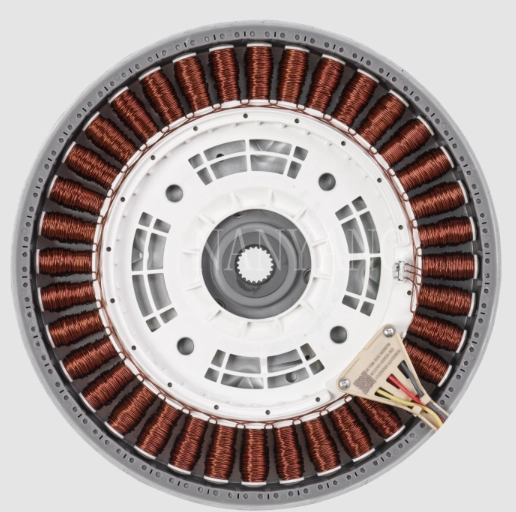
What Are The Structural Differences Between BLDC And DD Motors?
Looking at build traits reveals basic contrasts between these motor kinds. It also shows effects on long-run performance.
Transmission And Mechanical Complexity
BLDC motor setups often include belts or gear groups to move power from the motor to the load. This raises the count of mechanical pieces and adds wear spots. DD motors use a basic design instead. They link the motor right to the load. Mechanical details drop, and system dependability grows.
Manufacturing Integration And Quality Control
Firms with high rates of making key parts themselves can keep strict quality checks over the whole production flow. By building stator cores, rotor units, and linked pieces inside, higher sameness becomes possible. Differences between batches lessen too.
How Do BLDC And DD Motors Compare In Performance?
Checking performance covers various aspects. These include efficiency, sound, torque traits, and reaction patterns. Each part adds to the motor setup’s total success.
Efficiency And Energy Consumption
BLDC motors show solid built-in efficiency. However, transfer systems cause energy waste from friction and mechanical pushback. DD motors skip these middle parts. They reach greater total efficiency. More electric power turns straight into mechanical work.
Noise, Vibration, And Operational Stability
Sound and shaking levels depend on motor style and transfer build. BLDC setups might make extra noise from belt motion and part contacts. This happens more as pieces age. DD motors keep sounds lower and steadier. Their straight link cuts mechanical upsets.
Torque Output And Control Precision
BLDC motors work well for fast-speed tasks. They offer good speed handling via electronic means. DD motors give better torque at slow speeds. This allows exact control in tasks needing smooth and firm motion. Examples include cleaning steps and exact tools.
What About Cost And Maintenance Over Time?
A full review of motor picking must weigh starting costs and ongoing running expenses.
Initial Cost Versus Lifecycle Value
BLDC motors usually cost less at the start. They suit mid-level items and uses with tight money limits. DD motors need more upfront money because of their build style and production details. Yet, their lasting gains in efficiency and strength often balance this gap.
Maintenance And Reliability
Belts and gears in BLDC setups bring upkeep tasks as time passes. These may involve swapping or fixing worn pieces. DD motors have fewer moving elements. Upkeep happens less often, and breakdown risks fall. This trait holds value in uses where dependability and nonstop work matter most.
Where Are BLDC And DD Motors Used Today?
Real-world uses highlight the useful sides of each motor type. They also help pick the right one based on needed performance.
BLDC Motor Applications
BLDC motors appear often in mid-level home devices like washers, dryers, and air systems. They also fit industrial auto tools. Their mix of efficiency, control ease, and price balance makes them flexible across many areas.
DD Motor Applications
DD motors find main use in top-tier devices, exact machines, robot systems, and new energy vehicle setups. Low sound, strong efficiency, and long life prove key there. Their skill in steady work under tough settings backs use in fine and special cases.
How Should You Choose Between BLDC And DD Motors?
Picking the best motor type calls for a planned check of use needs, performance hopes, and expense thoughts.
Selection Based On Application Needs
BLDC motors fit uses that value cost savings, small designs, and easy fitting. They deliver solid work in normal conditions. Makers use them widely in large-market goods.
DD motors suit better for uses needing high exactness, low sound, and little upkeep. Their build strengths make them great for top products and spots where performance sameness counts.
Engineering Considerations
Main points shaping motor picks include load traits, torque needs, speed range, fitting limits, and planned life span. A full look at these details lets one choose a motor that matches technical needs and market goals.
Conclusion: Which Motor Gives You More Value?
BLDC and DD motors bring clear benefits tied to varied use cases and market needs. BLDC motors offer a price-friendly fix with strong efficiency and adaptability. They work well for many standard tasks. DD motors provide top results in efficiency, sound cuts, and lasting strength. This supports their role in fine and exact systems.
The best pick hinges on weighing starting costs, performance needs, and ongoing worth. A close look at these allows choosing a motor that fits both technical and business aims.
FAQ
Q1: What Is The Main Structural Difference Between BLDC And DD Motors?
A: BLDC motors typically rely on belt or gear transmission systems, whereas DD motors connect directly to the load, eliminating intermediate transmission components.
Q2: Which Motor Type Provides Higher Energy Efficiency?
A: DD motors generally achieve higher overall efficiency because they avoid energy losses associated with mechanical transmission.
Q3: Which Motor Requires Less Maintenance Over Time?
A: DD motors require less maintenance due to their simplified structure and absence of wear-prone components such as belts.
Q4: Are BLDC Motors Suitable For High-End Applications?
A: BLDC motors can be used in high-end applications; however, DD motors are often preferred when lower noise and higher precision are required.
Q5: What Factors Should Be Considered When Selecting A Motor?
A: Key factors include application requirements, torque and speed characteristics, installation constraints, cost considerations, and expected service life.