Accelerated Aging, Overload Cycling, and Humidity Resistance: The Reliability Secrets of Modern DDM Motors for Washing Machine Motor Applications
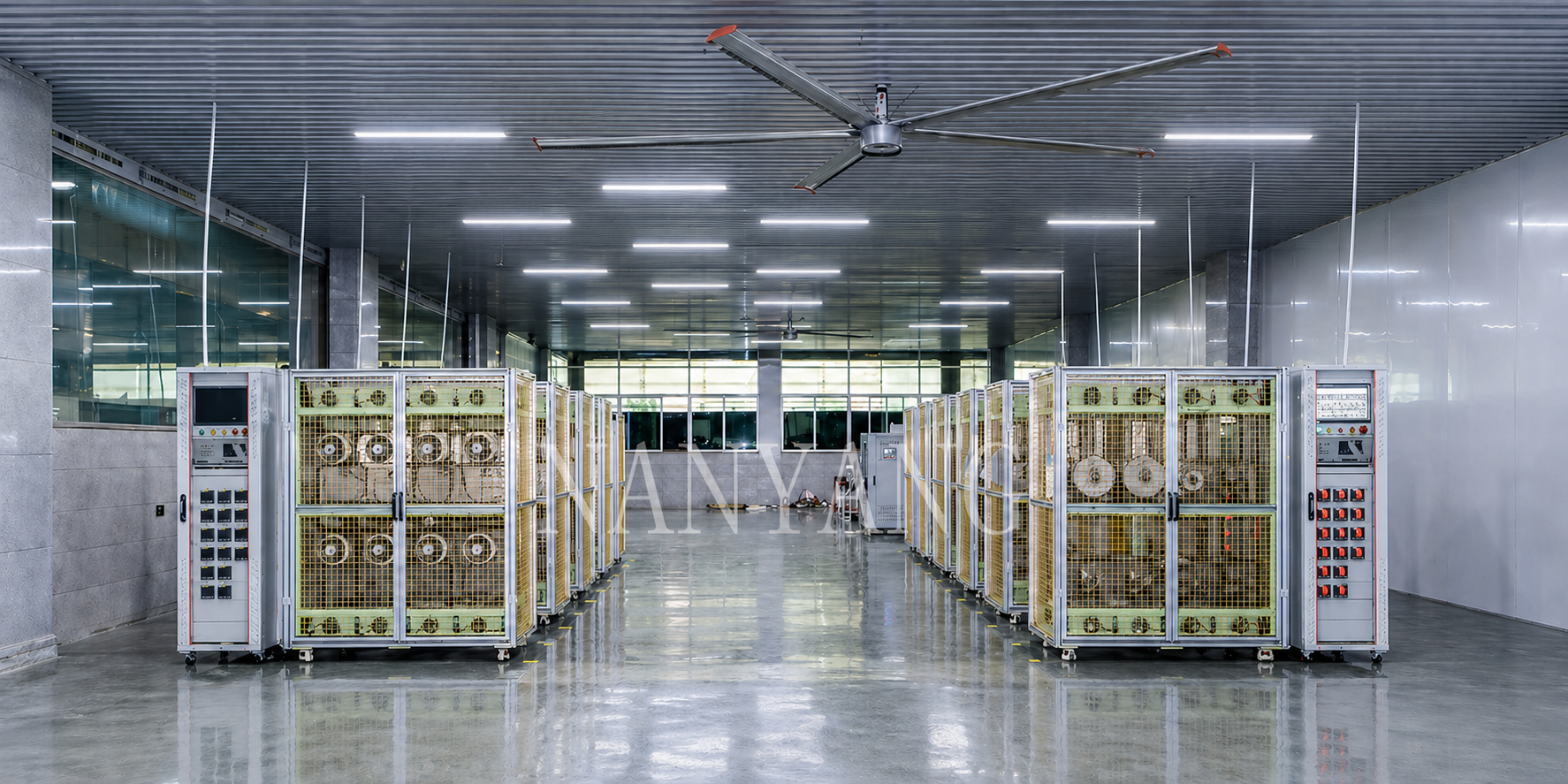
When selecting a dependable washing machine motor, toughness counts equally with power savings and low noise levels. Current washing setups face tough situations each day. Elevated moisture, shifting heat levels, packed barrels, and constant on-off actions put steady pressure on motor steadiness. For this reason, firms like Huzhou Nanyang Electric-Motor Co., Ltd. keep funding cutting-edge strength check methods for upcoming motor setups. With over 30 years in motor design and building, the firm has set up full testing labs that can mimic “10-year equivalent life testing,” “over-rated load testing,” and “locked-rotor restart cycling” within a professional .
For device makers, the main issue is not just getting a motor to function. The real issue lies in making sure it runs smoothly after many years of steady work in damp and heavy-use home settings. This is where direct drive DDM technology plays a key role in today’s washing machine motor setups.
Why Long-Term Reliability Matters in a Washing Machine Motor
Today’s homes want washing machines to work softly, save energy, and keep going for several years. Due to these demands, motor dependability has turned into a top concern in device planning.
Continuous Humidity Exposure Creates Long-Term Stress
A washing machine motor runs in a very damp setting daily. Water steam, soap leftovers, and varying warmth slowly impact shielding setups and inner electric parts. If dampness safeguard is not enough, the motor might face power unevenness or rust after ongoing use.
Within a professional , experts recreate steady dampness and heat shifts to assess motor behavior over periods. Such checks allow makers to confirm if the shielding setup stays firm after years of home activity. They ensure the motor handles these challenges without issues.
Heavy Laundry Loads Increase Mechanical Pressure
Big bedding, thick coats, and full washing barrels lead to strong starting pushback while running. Old-style gear systems often deal with greater rubbing and part damage in these setups.
A solid washing machine motor needs to keep even power delivery even as load setups change fast. Because of this, strength labs carry out repeated heavy-load cycle checks to prove ongoing build firmness. These steps help verify the motor’s ability to endure without breaking down.
Frequent Restart Cycles Accelerate Motor Aging
Sudden stops, uneven wash loads, or short barrel jams might make the motor start again often. In time, this raises heat strain on the coil setup and electric parts.
Locked-rotor restart recreations aid experts in forecasting motor actions during these harsh setups. A trustworthy motor build must get through many restart tries without getting too hot or dropping output. This testing reveals potential weak spots early.
Why Environmental Testing Has Become Essential for Motor Validation
Basic factory checks can show if a motor functions right when new. However, only setup-based strength checks can guess how the motor will act after years of actual running.
High-Temperature and Humidity Testing Simulate Real Conditions
In setup rooms, motors work under high dampness and varying warmth for long stretches. Experts watch shielding firmness, heat buildup, and power steadiness all through the action.
Such checks are vital for each washing machine motor since home wash areas keep motors open to dampness and warmth changes all the time. They provide clear data on how well the motor holds up.
Thermal Shock Chambers Reveal Structural Weaknesses
Quick warm-up and cool-down rounds put heavy strain on motor stuffs and electric setups. Heat shock checks let experts spot possible breaks, stuff swelling problems, or shielding breakdowns before the item hits stores.
By putting motors in a managed , makers can find hidden strength dangers well before in the growth phase. This approach saves time and cuts costs later.
Accelerated Aging Helps Predict Long-Term Lifespan
In sped-up aging labs, motors keep running via on-off rounds, speed changes, and weighty-load setups. Experts squeeze years of running into weeks or months of strong checks.
This “10-year equivalent life testing” method aids in guessing support life, coil aging ways, and ongoing output steadiness for current washing machine motor setups. It gives makers solid proof of future performance.
How Overload Cycling and Locked-Rotor Restart Tests Improve Durability
Everyday home washing seldom sticks to perfect running setups. Motors have to outlast changing loads and quick blockages without dropping output steadiness.
Over-Rated Load Testing Verifies Torque Stability
In heavy-load cycle checks, experts run the motor past normal load setups on purpose. Strong barrel pushback and long running aid in judging power evenness and heat handling skill.
These checks figure out if the washing machine motor can keep even running in tough wash rounds without odd shaking or getting too warm. They build trust in the design.
Locked-Rotor Restart Simulations Prevent Failure Risks
A locked-rotor setup happens when the barrel cannot turn right due to too much load unevenness or blockage. In restart recreation, the motor tries running again under stopped setups many times.
Experts track power shifts, coil warmth, and control unit replies during the whole action. This lets makers boost safeguard setups and cut burn-out dangers. Such steps enhance overall safety.
Continuous Endurance Testing Improves Reliability Confidence
Past single heavy-load events, motors also face steady full-load running for long times. Experts look at ongoing support damage, magnet firmness, and heat tiredness in these lasting checks.
If a motor makes it through these strong recreations well, makers get firmer belief in actual-world dependability and long work life. This testing forms the base for quality claims.
How DDM Technology Improves Washing Machine Motor Stability
Direct drive setups have grown more vital in top washing machine builds since they cut gear loss and part damage.
Beltless Direct Drive Design Reduces Mechanical Wear
Standard belt-run builds hold more moving pieces that slowly damage during running. A direct drive DDM setup moves power right to the barrel without middle gear pieces.
This build cuts rubbing loss, lessens shaking, and boosts total running steadiness for the washing machine motor. It leads to fewer repairs over time.
Precise Speed Control Improves Washing Performance
Current DDM setups back smart speed tweaks based on wash type and load weight. This makes for smoother barrel motion and steadier spin handling.
As a result, the motor can offer better cloth care while keeping high wash output and low running sound. Users notice the difference in daily use.
Lower Noise and Vibration Improve User Experience
Buyers more and more want washing machines to run quietly, above all in small flats or tight home areas. Too much shaking often points to shaky gear setups or bad load balance.
Direct drive methods cut extra motion and boost turn smoothness. This brings a quieter and firmer wash feel during regular running. It fits modern living needs well.
A Professional Manufacturer Behind Reliable DDM Motor Technology
Steady motor output relies not just on build plans but also on building skills, quality watch setups, and check tools.
More Than 30 Years of Motor Manufacturing Experience
If seeking a skilled provider with deep field know-how, Huzhou Nanyang Electric-Motor Co., Ltd. has centered on motor study, making, and setup joining since 1992.
The firm has grown a full work chain that includes coated wire, fixed and turning part building, exact cutting, and full motor putting together for home device uses. This chain ensures high standards across all steps.
Advanced Production Lines Improve Product Consistency
The maker runs auto coil machines, exact stamp setups, full check stands, and wholly auto check lines. These tools help lower person mistakes in making.
Tight quality handling steps also boost evenness for big-scale washing machine motor making jobs sent to world device markets. This leads to reliable supplies for partners.
Independent Laboratories Support Reliability Validation
Skilled testing labs do sped-up aging, heavy-load cycling, and dampness strength checks in a controlled .
These labs aid experts in spotting support damage, heat tiredness, and shielding dangers before items go into large making. They lift long-term dependability output. Such work strengthens product trust.
Why the DDM Motor Is Designed for Harsh Household Conditions
Current big-size washing machines need firmer power output and steadier long-term running than past device types.
Direct Drive Structure Supports Heavy-Duty Washing
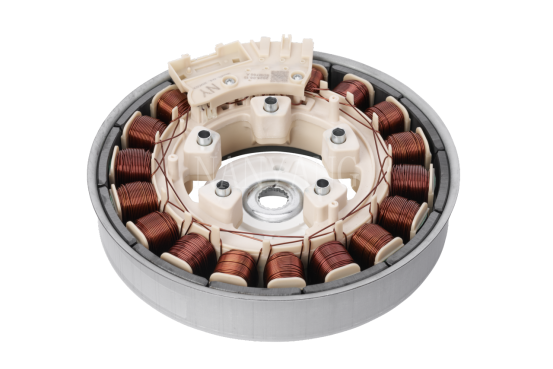
The DDM Motor is built mainly for high-weight wave washing machines up to 25kg size. Its direct drive build boosts power move output while cutting unneeded gear ease.
This build aids the washing machine motor in keeping steady output during heavy wash running and fast spin rounds. It handles real demands effectively.
Humidity Resistance Improves Long-Term Stability
Since washing machines run close to water and steam all the time, dampness safeguard turns key for motor toughness. The motor uses lasting shielding setups and guard build plans to boost dependability in damp setups.
In lab rooms, experts check dampness strength via steady setup cycling and lasting checks. These ensure the motor stands up to daily exposure without fail.
Accelerated Life Testing Confirms Durability Performance
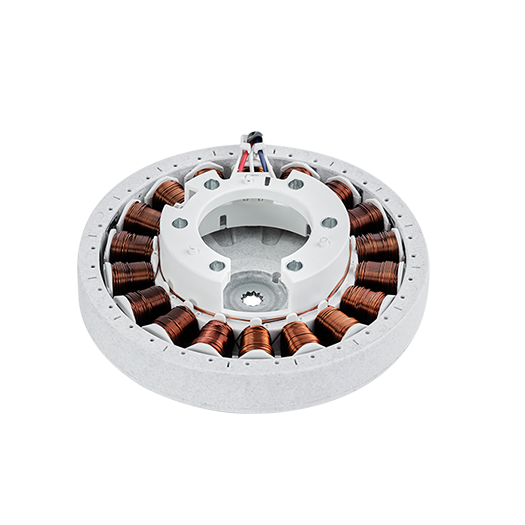
The motor goes through long-time heavy-load cycling, locked-rotor restart recreations, and heat lasting checks in growth phases.
These checks mimic years of home use in a professional . They let experts guess long-term running steadiness and work life more rightly. This data guides better designs.
Conclusion
Today’s washing machines call for more than basic turn power. They need toughness, steadiness, power savings, and long-term dependability under hard home setups. That is why sped-up aging checks, heavy-load cycling, dampness strength checks, and locked-rotor restart recreations have turned vital in motor growth.
A skilled-checked washing machine motor can better outlast years of steady running while cutting fix dangers and boosting user feel.
With cutting-edge making skills, strong growth tools, and wide setup-based strength check setups, Huzhou Nanyang Electric-Motor Co., Ltd. keeps giving steady direct drive answers for world device makers. Its DDM Motor blends soft running, high-load steadiness, and long-life toughness for tough washing machine uses.
If looking for solid item backing, tech help, or custom motor answers, skilled talks and reach aid are open via the firm’s main service paths. These resources help build strong partnerships.
FAQ
Q1: Why is environmental testing important for a washing machine motor?
A1: Environmental testing helps verify whether the motor can maintain stable operation under humidity, temperature fluctuation, overload conditions, and long-term use. It reduces the risk of early failure after mass production. This process ensures products meet high standards.
Q2: What does “10-year equivalent life testing” mean?
A2: It is an accelerated durability simulation where the motor operates continuously under extreme conditions to reproduce approximately ten years of household usage within weeks or months. Such methods provide quick yet accurate insights.
Q3: How does a DDM washing machine motor reduce maintenance problems?
A3: The direct drive structure removes belts and reduces mechanical wear. This lowers vibration, minimizes transmission loss, and improves long-term operational stability. It leads to fewer service calls over time.
Q4: What is locked-rotor restart testing?
A4: This test simulates drum blockage conditions where the motor repeatedly attempts restart cycles. Engineers use it to evaluate thermal protection, winding durability, and overload resistance. It helps prevent real-world issues.
Q5: Why do appliance manufacturers prefer validated direct drive motors today?
A5: Validated direct drive motors offer lower noise, better energy efficiency, improved washing stability, and stronger long-term reliability under real household operating conditions. These benefits align with market demands for quality.