Why Does a Washing Machine Motor Overheat? Causes, Technical Reasons and Solutions
Why Motor Heat Should Not Be Treated as a Small Issue
Heat Usually Starts Before Failure Happens
Washing machine motor failures are rarely sudden. Instead, they are often the result of long periods of high temperature before suddenly failing with a bad smell, loss of spin, or loud noise. Although the increase in operating temperature may not be obvious from outside the machine, the winding, bearings, rotor, and control system inside the motor are all being placed under greater stress than normal.
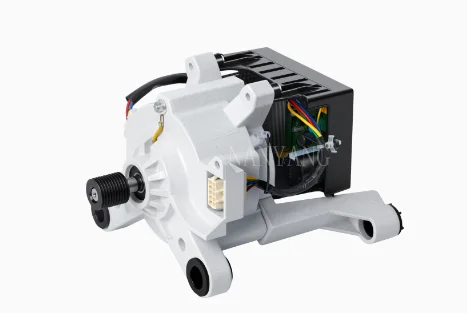
For appliance manufacturers, this is exactly why motor selection matters. Huzhou Nanyang Electric-Motor Co., Ltd. focuses on washing machine motor systems designed for long-term stability, including BLDC Motor and DD Motor solutions. Excessive motor temperature is not just a maintenance issue. It can affect returns, complaints, energy class, and the brand’s reputation in the long run. Even if a motor still works on hot days, its insulation material may age faster. As a result, the motor may become noisier and less stable during spin cycles.
Overheating Is Usually a System Problem
Many people first blame the motor when a washing machine overheats. That is not always wrong, but it is not the full story. A washing machine motor works together with the drum, load sensor, belt system or direct drive structure, inverter control board, and power supply.
If one part is poorly matched, heat rises. If the drum is overloaded, the motor current increases. If the belt drive motor has extra friction, more energy turns into heat. If the control system does not manage speed well, the motor may run outside its ideal working range.
That is why choosing the right washing machine motor type matters from the design stage.
The Right Product Structure Makes Heat Easier to Control
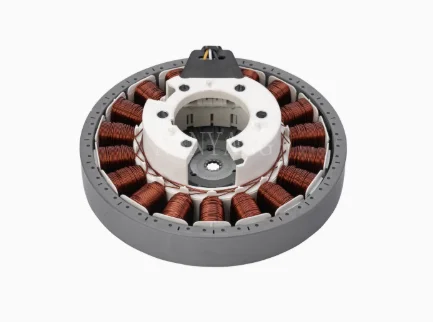
For modern washing machines two different ways of rotating a motor can be very interesting. First of all there is the BLDC motor and the direct drive motor. A BLDC motor has the advantage that no brush wear occurs and that the speed can be controlled electronically. This is done by electronic commutation. A DD Motor has the advantage that no belt is required to transfer the torque to the drum, the torque is transferred directly.
Both are useful, but they solve heat in different ways. One improves control efficiency. The other cuts mechanical loss.
What Causes a Washing Machine Motor to Overheat?
Overload Makes the Motor Draw More Current
The most common cause is overload. When the drum holds too many clothes, the motor needs more torque to start, wash, and spin. More torque often means more current. More current means more heat.
This is easy to miss because the machine may still run. But each overloaded cycle adds stress. In the long run, the motor insulation and winding temperature suffer. For large-capacity washing machines, motor capacity and torque design should match the actual drum size, not only the rated machine label.
A stable BLDC inverter motor can help because it adjusts speed and torque more smoothly than many older motor systems.
Belt Friction Adds Hidden Heat
In a belt drive motor system, power does not go straight from the motor to the drum. It passes through the belt and pulley. That design is simple and cost-friendly, but it adds friction points.
When the belt ages, loosens, or slips, the motor works harder. The belt itself can also create heat during high-speed spinning. This is why the topic direct drive vs belt drive washing machine keeps appearing in buyer searches. Users want to know whether direct drive really reduces noise, heat, and future maintenance.
In heat control, direct connection has a clear structural benefit.
Poor Ventilation Traps Heat Around the Motor
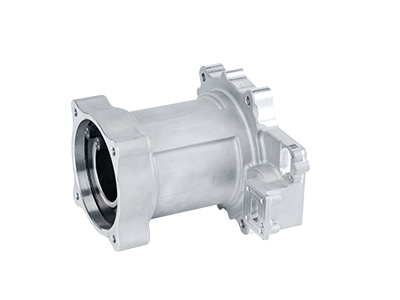
A motor can only run stably as long as heat is able to be removed from it. This is not the case if there is no air exchange, a too-dense machine layout, contamination with dust, or if air exit is blocked at the motor housing.
This is more obvious in machines that run long cycles or frequent spin programs. The motor may not fail at once, but heat builds up faster than it can escape. Good motor design needs thermal planning, not only power rating.
How Washing Machine Motor Types Affect Heat Control
BLDC Motor Reduces Friction and Improves Control
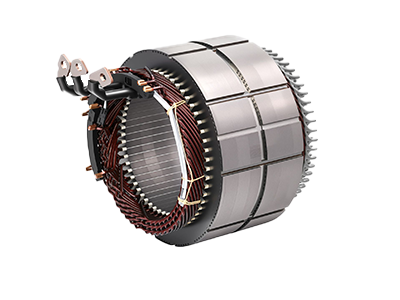
A BLDC Motor uses electronic commutation instead of brush contact. This reduces mechanical friction inside the motor. Less friction means less wasted energy and less heat.
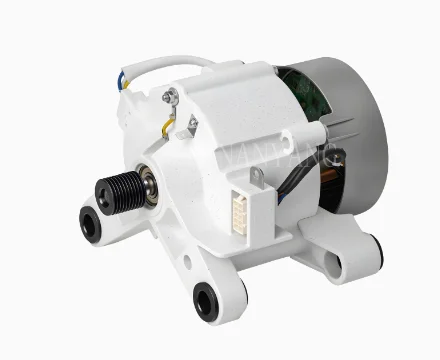
In washing machine use, this type of motor also works well with inverter control. The control system can adjust speed based on washing, rinsing, and spinning needs. That helps the machine avoid unnecessary high-speed operation when the load does not require it.
For customers asking what is BLDC motor in washing machine, the simple answer is this: it is a motor type built for smoother control, better efficiency, and lower wear.
DD Motor Removes Belt Loss Completely
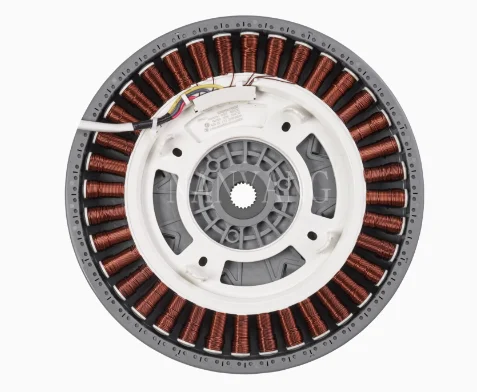
A DD Motor is a direct drive motor. It connects the motor structure directly with the drum system, so there is no belt transmission between them.
This matters for overheating because belt loss is removed from the system. There is no belt slip, no pulley friction, and less vibration from transmission parts. The motor still produces heat during operation, but one major source of mechanical loss is gone.
For buyers asking what does direct drive mean on a washing machine, the key point is direct torque transfer. It is a cleaner structure, often used in higher-end washing machine designs.
AC Induction Motor Still Fits Some Cost-Driven Models
An AC induction motor is still useful in certain washing machine motor types, especially for cost-sensitive top-loading models. It is simple, mature, and reliable when the application is not demanding.
But when the target is low noise, lower heat, variable speed control, and better energy performance, BLDC motor or DD Motor is usually easier to position in modern appliance projects.
This does not mean one motor fits all products. It means the motor should match the product level and user expectation.
Why Overheating Damages Washing Machine Performance
Winding Insulation Ages Faster
Heat is one of the biggest enemies of motor winding insulation. When temperature stays high too often, insulation material becomes weaker. Once insulation quality drops, the risk of short circuits and unstable operation increases.
This may not appear in the first few months. It often shows later as reduced motor life, unstable spin speed, or sudden shutdown.
For OEM projects, this is exactly the kind of issue that creates after-sales pressure.
Noise and Vibration Become More Noticeable
Heat changes the way parts behave. Bearings, belts, shafts, and surrounding components may expand slightly during high-temperature operation. In belt drive systems, small changes may create more vibration or slipping.
This is one reason many buyers compare DD motor vs BLDC motor and BLDC inverter motor vs direct drive before choosing a washing machine motor platform.
A BLDC motor controls speed well. A DD Motor reduces transmission vibration. The final choice depends on the machine structure and price level.
Spin Efficiency May Drop
If the motor gets too hot, the system may reduce power or speed to protect itself. The washing machine may still finish the cycle, but spin performance can drop. Clothes may come out wetter, and the user may think the full machine has a quality problem.
In many cases, the root cause sits in motor heat control and system matching.
How to Choose Between BLDC Motor and DD Motor for Heat Control
Choose BLDC Motor When You Need Flexible Speed Control
If your washing machine design needs adjustable speed, balanced cost, and good energy performance, BLDC motor is a strong choice. It works well for many front-loading and mid-to-high-end appliance models.
The product is also suitable when you want better control than a normal motor, but you still need a practical production structure.
You can view the broader motor selection through the company’s home appliance motor product range when planning model-level matching.
Choose DD Motor When You Want Lower Transmission Loss
If your product positioning focuses on low noise, direct torque, and fewer transmission parts, DD Motor is the better direction. It is especially useful for premium washing machines where users care about quiet operation and long-term stability.
In a direct drive vs belt drive washing machine comparison, DD Motor is usually stronger in heat control, vibration reduction, and maintenance simplicity.
The tradeoff is that the system design needs better motor-drum matching from the beginning.
Match the Motor to the Machine, Not Only to the Keyword
A good washing machine motor is not chosen only because one keyword looks popular. You need to check load capacity, drum size, voltage platform, cycle style, noise target, efficiency requirement, and expected product level.
If the product is a standard model, BLDC motor may already solve most heat and control issues. If the product is a premium model, DD Motor can give a stronger structural advantage.
How to Reduce Overheating Risk in Real Projects
Start With the Right Motor Capacity
Motor capacity should match the washing load and spin speed. If the motor is too small, it will run near its limit too often. That creates heat.
A good product design should leave enough margin for frequent use, uneven loads, and high-speed spin cycles. This is especially important for export models, where user habits and power conditions may vary by market.
Check Heat, Noise, and Load Together
Do not test heat alone. Heat, noise, and vibration usually move together. If a motor runs hot and noisy, the issue may come from structure, load, belt transmission, rotor balance, or control logic.
For this reason, testing should include long-cycle operation, full-load conditions, and repeated start-stop checks.
Work With a Supplier That Can Support Technical Matching
Motor selection is easier when the supplier can discuss parameters, testing, and application fit instead of only sending a catalog. The company has R&D, production, and quality control systems that support custom motor projects for appliance applications.
For project discussion, specifications, or service needs, you can use the official contact channel for motor solutions.
Conclusion
Washing machine motor overheating is usually caused by overload, friction, weak heat dissipation, unstable control, or poor motor matching. It is not a small issue because heat affects lifespan, spin performance, noise, vibration, and after-sales risk.
BLDC motor is a good fit when you need efficient inverter control, smoother speed regulation, and lower internal friction. DD Motor is better when the product needs direct torque transmission, fewer moving parts, lower belt-related heat, and quieter operation.
For washing machine manufacturers, the better choice is not simply BLDC motor vs inverter motor, DD motor vs BLDC motor, or inverter motor vs normal motor. The better choice is the motor structure that fits your product level, load design, and target market.
The company’s BLDC Motor and DD Motor give you two practical ways to reduce overheating risk. One improves control efficiency. The other improves mechanical structure. If your project needs service, technical support, or custom motor matching, contacting the engineering team is the most direct next step.
FAQ
Q1: Why does a washing machine motor overheat?
A1: A washing machine motor usually overheats because of overload, friction loss, poor ventilation, unstable voltage, or a motor type that does not match the machine design.
Q2: Is BLDC motor better for heat control?
A2: BLDC motor is better than many traditional systems because it reduces brush friction and supports inverter speed control, which helps reduce energy loss and heat.
Q3: What does direct drive mean on a washing machine?
A3: Direct drive means the motor connects directly to the drum without a belt. This reduces belt friction, vibration, and heat from transmission loss.
Q4: Which motor is used in washing machine models with low noise design?
A4: Many low-noise washing machines use BLDC motor or DD Motor. DD Motor is often preferred for premium direct drive designs.
Q5: How can you prevent washing machine motor overheating?
A5: You can reduce overheating by choosing the right motor capacity, avoiding overload, improving heat dissipation, and selecting BLDC Motor or DD Motor based on the machine design.