5 Key Benefits of Suspension Motors for Enhanced Vehicle Performance
Today’s vehicles are evolving quickly. Comfort in the ride, consumption of energy, and dependability of systems are no longer optional extras. They are essential qualities that buyers seek when selecting parts for electric and new energy vehicles. Suspension motors are becoming more significant than most folks realize.
With over 30 years in motor production, Huzhou Nanyang Electric-Motor Co., Ltd. has expanded from making stator and rotor components into a complete provider for new energy vehicle motors. Its background in EV drive systems, electronic oil pumps, brake motors, and associated research and development offers solid insight into current suspension motor designs.
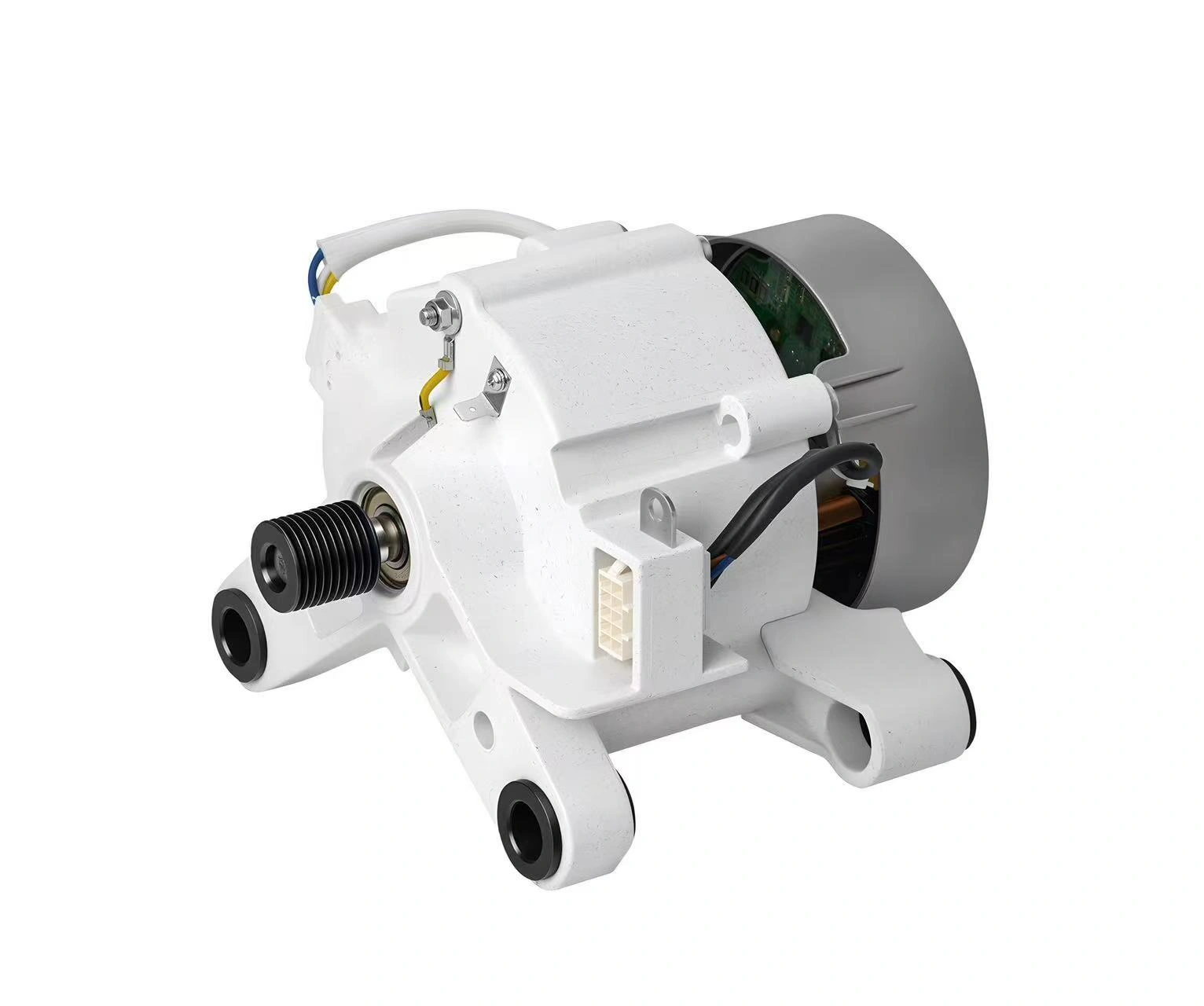
High Efficiency And Power Density
Space is often limited, and weight plays a crucial role. Thus, efficiency turns into a major issue. Suspension motors are positioned near dynamic components. As a result, each additional kilogram and each lost watt impacts handling and driving range noticeably.
Current suspension motors employ permanent magnet synchronous configurations, much like those in sophisticated EV drive motors. This setup enables strong power delivery from a small footprint. In everyday applications, power density typically achieves about 3.5 to 4.5 kW per kilogram in similar automotive motors. Consequently, this supports more streamlined suspension setups.
For vehicle users, this results in superior energy utilization during routine drives. Reduced losses convert to greater available power. Moreover, battery range improves, particularly in electric vehicles where each bit of efficiency accumulates over many kilometers. To observe this idea in a specific item, the Suspension motor page illustrates the balance between small size and power delivery for practical vehicle integration.
Suggested Table: Typical Performance Parameters of Automotive Suspension Motors
|
Parameter |
Typical Automotive Suspension Motor |
Conventional Auxiliary Motor |
|
Motor Type |
Permanent Magnet Synchronous Motor (PMSM) |
Brushed DC / Induction Motor |
|
Power Density |
3.5–4.5 kW/kg |
1.8–2.5 kW/kg |
|
Peak Efficiency |
≥ 92% |
80–85% |
|
Operating Temperature Range |
-40°C to 125°C |
-20°C to 85°C |
|
Noise Level (at rated speed) |
≤ 55 dB(A) |
60–70 dB(A) |
|
Cooling Method |
Oil cooling or natural convection |
Natural air cooling |
|
Expected Service Life |
≥ 8,000 operating hours |
4,000–5,000 operating hours |
|
Application Environment |
Electric & hybrid vehicles |
General automotive auxiliaries |
Reduced Noise And Vibration
Complaints about noise and vibration frequently arise from hidden components. Suspension motors fall into this category. A subpar motor design sends vibrations directly to the frame. Drivers sense it through their seats and steering.
Suspension motors for automotive use depend on well-tuned rotor equilibrium, accurate coil arrangements, and structures that minimize shaking. Brushless formats eliminate physical contact areas that typically generate noise as time passes. During factory checks, these motors undergo evaluation for both electrical performance and NVH characteristics under prolonged full-load conditions.
In actual driving scenarios, this leads to more even rides at slower speeds and decreased humming during speed increases or stops. Such improvements are especially relevant in electric and hybrid vehicles. There, the lack of engine sounds amplifies every minor noise. Quiet suspension motors maintain a peaceful interior, even on bumpy city streets.
Compact And Lightweight Design
Contemporary vehicle bases are packed. Batteries, cooling setups, sensors, and controls all vie for room. Suspension motors must integrate without requiring trade-offs in other areas.
Achieving a compact motor layout goes beyond mere size reduction. It requires high rates of in-house parts, exact cutting of silicon steel layers, and refined coil methods. Employing slim layers of about 0.2 mm can boost energy effectiveness by approximately 30 percent over traditional approaches. At the same time, it keeps the motor housing narrow.
As a designer or integrator of vehicle systems, you benefit from lighter suspension motors that lower unsprung weight. This enhances control and ride steadiness. It also aids electric vehicles in extending range slightly without altering battery capacity.
Enhanced Durability And Reliability
Suspension motors face harsh environments. Heat from stops, chilly winter ignitions, ongoing jolts, and extended runtime define their routine.
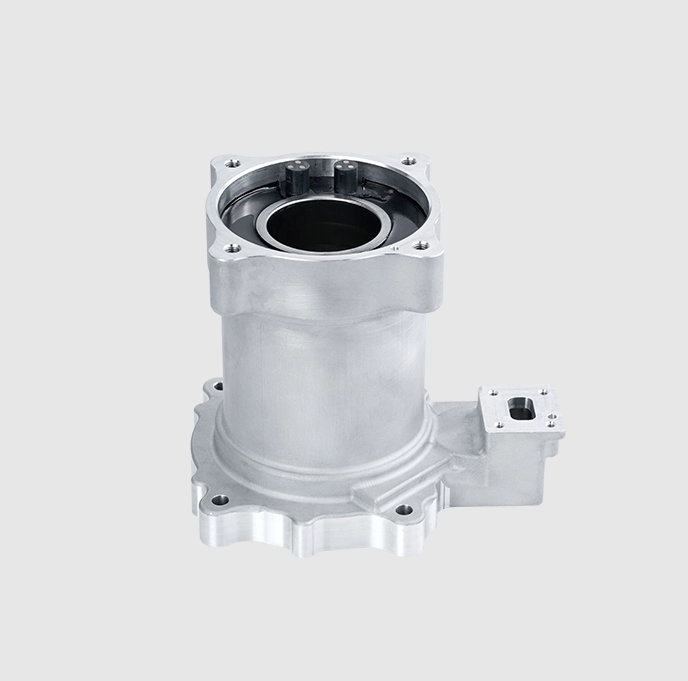
Motors crafted for automotive demands can function from minus 40°C to 125°C. Features like oil cooling, sturdy insulation, and toughened builds prolong operational lifespan. Since entering the market in 2019, comparable automotive motors have shown no failures at 3-month, 6-month, and 12-month inspection points.
For users, this reliability cuts down on repair claims and interruptions. It also builds assurance for sales in areas with severe weather. Enduring performance is not mere promotion. Instead, it stems from two-hour full-load trials for each unit and trackable quality oversight across manufacturing.
Improved Energy Management And Regeneration
Energy recapture extends beyond primary drive motors. Suspension motors now assist in wider energy handling plans, particularly alongside regenerative braking setups.
When braking occurs or suspension shifts, properly aligned motors can facilitate even energy transfer and minimize losses. Linking with electronic oil pumps and brake motors enables smoother interplay between mechanical and electrical elements. In real-world use, smart regulation can lower secondary energy demands by roughly 18 to 30 percent in connected systems.
In electric vehicles, that reclaimed energy builds up effectively. It raises total efficiency and eases heat pressure on batteries. For those eyeing comprehensive system options over standalone pieces, the Suspension motor product page and the extensive product portfolio offer valuable starting points.
FAQ
Q1: Why Are Suspension Motors Important In Electric Vehicles?
A: They enhance ride comfort, cut noise levels, and promote superior energy utilization. In electric vehicles, modest efficiency improvements yield clear gains in range and overall driving experience.
Q2: How Do Suspension Motors Affect Vehicle Noise?
A: Brushless structures and equilibrated rotors lessen vibration transmission to the frame. This results in quieter interiors, which stands out particularly at reduced speeds.
Q3: Are Suspension Motors Reliable In Extreme Temperatures?
A: Designs for automotive standards allow function from minus 40°C to 125°C. Evaluations include extended full-load sessions to verify ongoing stability.
Q4: Do Compact Suspension Motors Sacrifice Power?
A: No. Designs with high power density deliver robust output from reduced dimensions. Thus, performance stays strong while weight drops.
Q5: How Can You Get Technical Or Custom Support?
A: For in-depth specs or tailored options, contact via the contact page. Technical staff reply according to specific application requirements, avoiding standard responses.