How to Choose a DC Motor for Industrial Applications
Industrial devices seldom function without motors. From mechanized assembly lines to machinery for producing household devices, motors change electrical power into physical movement. This keeps the devices operating smoothly. Among various motor categories, DC motors continue as a sensible option for setups needing steady speed regulation, dependable force delivery, and easy connection with electronic management systems.
When the motor fails to align well with the device, issues arise soon. Power use rises, sound grows evident, and components start to degrade quicker than anticipated. Thus, picking the suitable motor serves as more than a technical task. It also shapes output levels, running expenses, and device durability.
A knowledgeable producer can assist in lowering these dangers. Huzhou Nanyang Electric-Motor Co., Ltd. has participated in the motor field since 1992. Over that period, it has built up more than thirty years of fabrication and design knowledge. The firm began with creating stator and rotor elements. Gradually, it grew into full motor production for home devices and fresh energy arrangements. Based on firm details, it currently manages multiple fabrication sites with over 2,000 staff members. Moreover, it upholds extensive motor fabrication ability.
Its main activities center on motors for home devices and motors for new energy vehicles. At the same time, it supplies combined services like motor planning, fabrication, and system 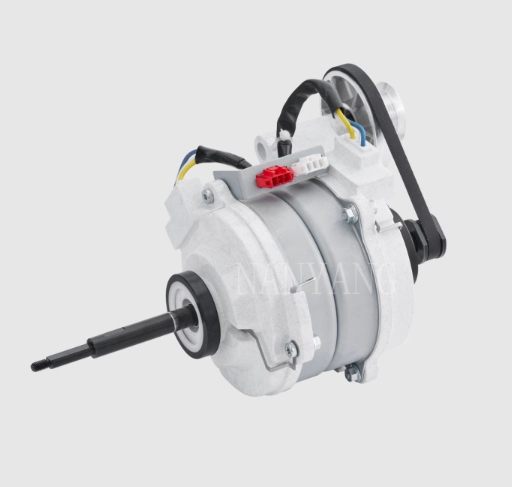
Key Factors to Consider When Choosing a DC Motor
Industrial devices vary greatly in dimensions, velocity, and burden situations. A motor that performs adequately for packing devices might not suit dryer fabrication machinery or mechanized assembly lines. Various essential measures always demand review during the picking procedure.
Voltage Requirements
Each motor needs to correspond with the existing power source. DC motors typically get designed for particular voltage spans, such as 12V, 24V, or elevated industrial voltages based on the usage.
Should the voltage level fail to align with the power framework, the motor could warm excessively or neglect to achieve the needed velocity. Industrial devices frequently depend on reliable electrical supply to sustain uniform operation.
Producers possessing focused design groups often modify voltage measures according to device needs. Consequently, this aids devices in running more securely and productively.
Speed and RPM Range
Various industrial uses demand distinct turning velocities. Rapid-velocity motors commonly serve for ventilators, compressors, and minor mechanical burdens. Slower-velocity motors fit better for transport systems, weighty spinning cylinders, or elevation setups.
Velocity regulation holds significance for fabrication uniformity as well. For instance, devices employed in dryer creation or device assembly must uphold steady turning velocity. This prevents flaws in the products.
Current DC motors can back adjustable velocity function via electronic management systems. Thus, the motor adapts to diverse running situations without sacrificing productivity.
Torque Requirements
Force decides the extent of burden the motor can propel. Industrial devices with substantial parts or elevated resistance need motors offering larger force delivery.
If the motor force proves inadequate, the device might halt or run under ongoing overload states. Over time, this results in greater upkeep expenses and shortened operational span.
Designers typically choose motors with a buffer above the necessary force level. Therefore, the setup manages brief burden surges without disrupting steadiness.
Duty Cycle and Operating Conditions
An additional vital element involves the operational cycle. Certain devices function nonstop for extended durations. Others work in sporadic sequences.
Motors for nonstop function must preserve even warmth and operation during prolonged work periods. In numerous factories, motors endure lengthy burden evaluations. These confirm they can function dependably without warming too much.
Surrounding situations merit attention too. Industrial sites often feature high moisture, particles, or warmth shifts. Motors built with shielding insulation forms and reliable substances excel in such settings.
Aligning voltage, velocity, force, and running situations properly enhances device trustworthiness and prolongs operational duration.
Types of DC Motors Used in Industrial Equipment
Distinct categories of DC motors appear in industrial devices. Each category supplies specific gains depending on the usage demands.
Brushed DC Motors
Brushed DC motors feature a basic framework and fairly modest fabrication expense. They employ carbon brushes to supply electrical current to the rotor.
Due to their uncomplicated structure, these motors prove simple to regulate. Consequently, they gain broad use in compact devices or expense-aware equipment.
Nevertheless, the brushes deteriorate gradually. This necessitates regular upkeep and substitution. As a result, it can raise inactive periods in rigorous industrial surroundings.
Brushless DC Motors (BLDC)
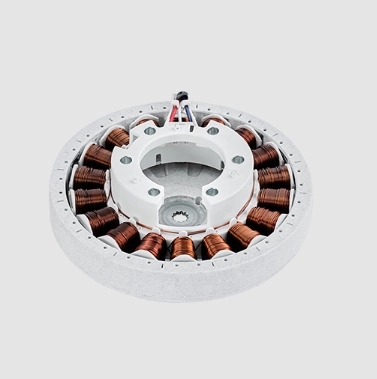
Brushless DC motors remove carbon brushes. Instead, they depend on electronic management systems to direct current movement.
This structure yields multiple benefits. Productivity rises since mechanical resistance decreases. Sound intensities drop lower than in brushed motors. Without brushes, the motor demands minimal upkeep. Typically, it runs for longer periods.
BLDC motors now receive extensive application in current industrial devices, intelligent home devices, and mechanized fabrication systems.
Numerous producers persist in advancing BLDC technology via design investigations.
Why Brushless DC Motors Are Preferred in Modern Industrial Systems?
Industrial devices at present seek greater productivity and more exact regulation than older machinery. Brushless DC motors have emerged as a frequent answer. This occurs because they fulfill these needs capably.
To begin with, BLDC motors furnish elevated energy productivity. Diminished resistance and enhanced electromagnetic forms enable many motors to function beyond 90 percent productivity.
Next, the brushless framework lowers sound and shaking. This matters in factories where multiple devices run at once.
Furthermore, lacking brushes markedly extends operational span. Fewer mechanical degradation parts imply reduced upkeep and more uniform extended operation.
Producers with solid design ability often allocate considerable resources to motor investigations. Committed investigative units, teamwork with academic bodies, and design advancement initiatives aid in elevating motor operation and dependability.
Such enhancements render brushless DC motors appropriate for a broad array of current industrial devices.
DC Motor Selection for Dryer and Appliance Manufacturing Equipment
Motor picking turns more precise when applied to home device fabrication setups.
Industrial dryers, business laundry devices, and home device production lines demand motors that supply steady velocity regulation, strong trustworthiness, and minimal sound.
These devices frequently operate during lengthy fabrication cycles. Hence, the motors must function continually without extreme warmth accumulation or shaking.
Brushless DC motors suit these uses well. Their adjustable velocity feature permits devices to adjust to varied burden states during function.
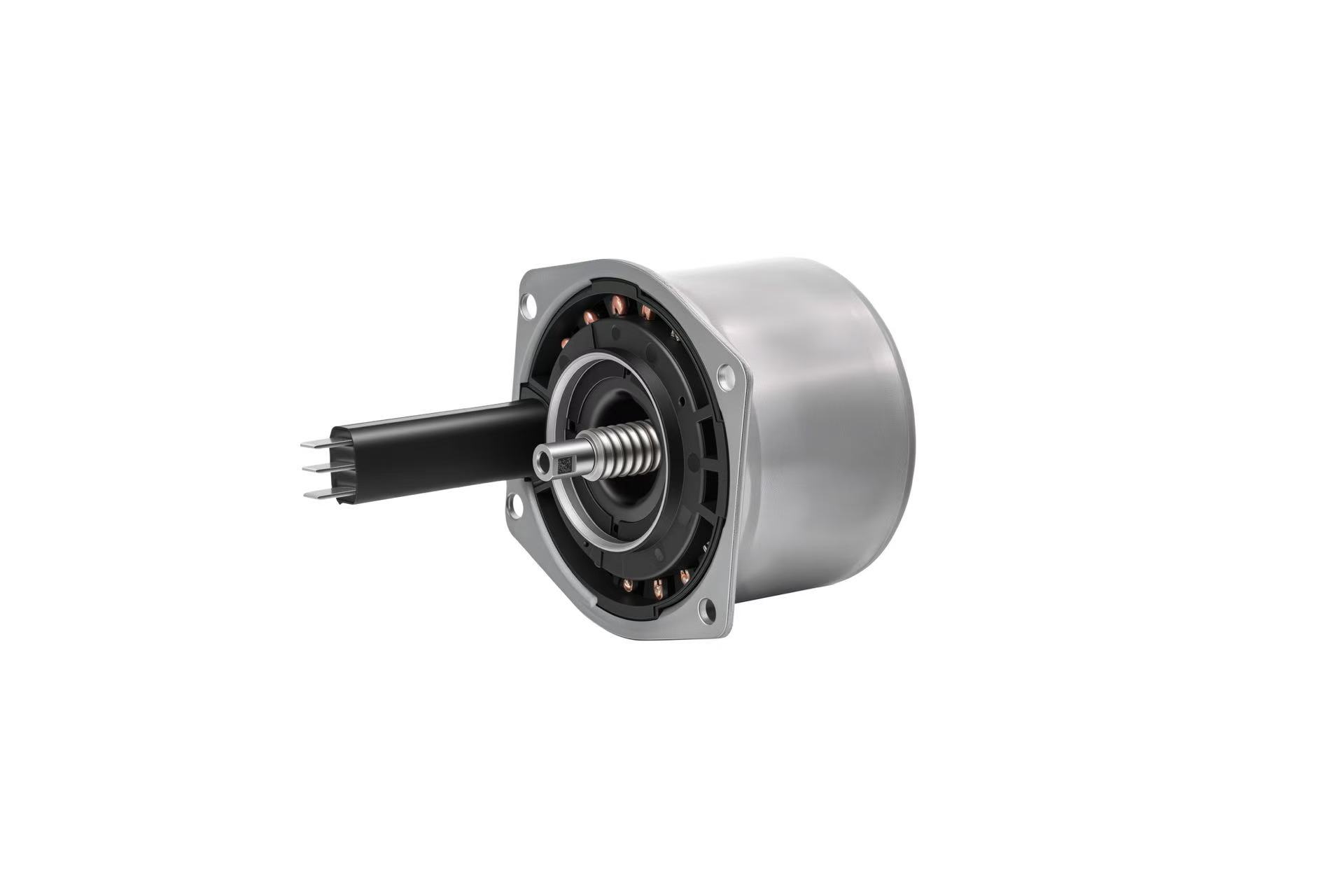
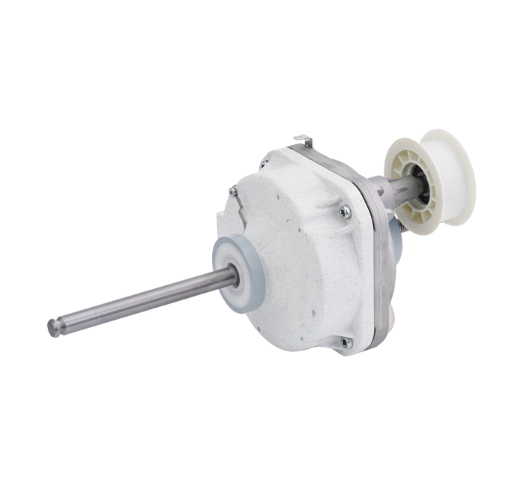
One instance involves the DC-Dryer Motor applied in current dryer setups. This motor gets planned especially for dryer devices and home device fabrication machinery.
The planning frequently encompasses several vital traits.
A dual-rotor brushless structure permits separate regulation of the cylinder and air movement system.
Adjustable velocity regulation can attain roughly 3500 RPM based on running states.
Tight structural planning facilitates simpler merging into current device arrangements.
The dual-axis setup enables the cylinder and ventilator system to receive independent oversight. This kind of planning can cut energy use by about 25 percent. Additionally, it can abbreviate drying sequences in home device setups.
Why Choose Huzhou Nanyang Electric-Motor Co., Ltd.?
Motor picking relies substantially on the producer’s technical ability and fabrication volume.
The firm noted before has built extensive motor fabrication facilities over more than three decades of activity. Its sites span about 420,000 square meters. They back multiple focused fabrication sections.
The staff comprises over 2,000 workers, including design groups tasked with motor creation and evaluation. The firm has gathered more than one hundred patents. It also sustains collaboration with academic institutions and global specialists.
Fabrication lines feature mechanized coil devices, high-accuracy stamping tools, and sophisticated evaluation systems. These verify motor operation prior to dispatch.
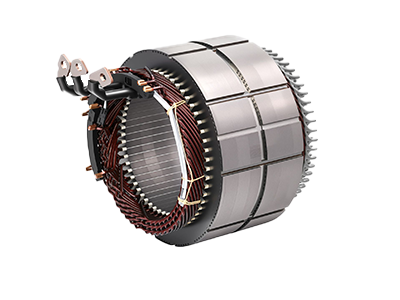
A further benefit lies in vertical merging. Numerous essential parts, like electromagnetic wire, stator cores, and rotor elements, undergo internal creation. This boosts product uniformity and lessens supply sequence dangers.
For industrial producers needing tailored motor answers, design groups can alter measures such as voltage, velocity, force, and structural setup to align with particular device needs.
Conclusion
Picking a DC motor for industrial uses calls for attentive review of various technical elements. Voltage alignment decides secure function inside the electrical framework. Velocity span impacts fabrication productivity. Force volume influences if the motor can manage mechanical burdens. Operational cycle and surrounding situations also contribute to extended trustworthiness.
Among obtainable motor categories, brushless DC motors gain rising favor in current industrial devices. This stems from their elevated productivity, low sound, and extended operational span.
For uses like dryer devices and home device fabrication setups, specialized motors such as the DC-Dryer Motor supply steady operation, exact velocity regulation, and better energy productivity.
Collaborating with a seasoned producer can ease the picking procedure and boost device trustworthiness. Firms with lengthy fabrication knowledge, merged production setups, and ongoing design creation offer useful aid for industrial motor uses.
FAQ
Q1: What factors should be considered when selecting a DC motor for industrial equipment?
A: Vital elements encompass voltage alignment, needed velocity span, force volume, operational cycle, and surrounding situations like warmth or moisture.
Q2: Why are brushless DC motors widely used in industrial systems?
A: Brushless DC motors furnish superior productivity, reduced sound, and longer operational span compared to brushed motors. They further back exact electronic velocity regulation.
Q3: What type of motor is suitable for dryer or appliance manufacturing equipment?
A: Brushless DC motors featuring adjustable velocity regulation commonly serve these purposes. They enable steady cylinder turning, effective air movement oversight, and extended nonstop function.
Q4: How long can an industrial DC motor operate?
A: Operational span varies with running situations and planning standard. Numerous industrial motors can function for years when suitably aligned with the device.
Q5: Can DC motors be customized for specific industrial machines?
A: Indeed. Huzhou Nanyang Electric-Motor Co., Ltd. supply tailored answers that modify voltage, force, velocity span, and structural planning according to device needs.