Extreme Durability Engineering: Overload, Locked-Rotor Restart, and Thermal Shock Testing for Wash Motors in Experimental Environment
When you select a capable Wash Motor, reliability counts as much as performance. Today’s washing machines face tough situations. These include damp air, quick shifts in temperature, full drums, and multiple start-up sequences. Lacking thorough checks in a solid experimental environment, a strong motor might break down well before the machine hits its planned lifespan.
This explains why makers now depend on “lab-based 10-year life” exams, heat variation checks, and extra load plus locked-rotor restart sequence exams to assess motor sturdiness. Such exams spot issues like bearing damage, coil wear, covering breakdown, and magnet weakening before items hit stores.
As an established motor producer with over 30 years in the field, Huzhou Nanyang Electric-Motor Co., Ltd. has created a full setup for testing and building dependable appliance motors. Its solid Wash Motor options serve drum washing machines, top-loading washers, and variable-speed laundry devices around the world. The firm blends smart motor planning, machine-driven building, and firm condition checks to aid appliance brands in cutting breakdown chances and boosting lasting results.
Why Durability Validation Has Become Essential for Every Wash Motor
Current laundry devices ask more from motors than in the past. Users want smooth running, power savings, and steady work for more than ten years. Thus, makers need to confirm each Wash Motor in a lifelike experimental environment prior to large-scale output.
Overloaded Laundry Conditions Create Continuous Mechanical Stress
Big-sized washing machines frequently manage heavy bedding, dense cloths, and uneven batches. In fast spinning phases, the motor deals with steady pull changes and shaking. If the motor setup misses heat balance or firm build, excess warmth and bearing damage can happen soon.
To address this problem, modern BLDC and direct-drive motors apply refined magnetic setups and effective cooling plans. Thin silicon steel layers also cut power waste and warmth buildup during extended wash periods.
Frequent Restart Cycles Increase Failure Risks
Numerous washing machines start up again after short drum blocks or balance safeguards. This action causes sharp current jumps in the motor coil setup. Standard motors might face covering harm or rotor unsteadiness after many restart sequences.
For this reason, locked-rotor restart exams have turned into a key element of current sturdiness checks. Motors need to endure stall states multiple times without odd heat growth or pull drop.
Environmental Changes Affect Long-Term Stability
Moisture, heat swings, and water buildup occur often within laundry gear. Motors for seaside or warm area markets encounter even rougher work settings.
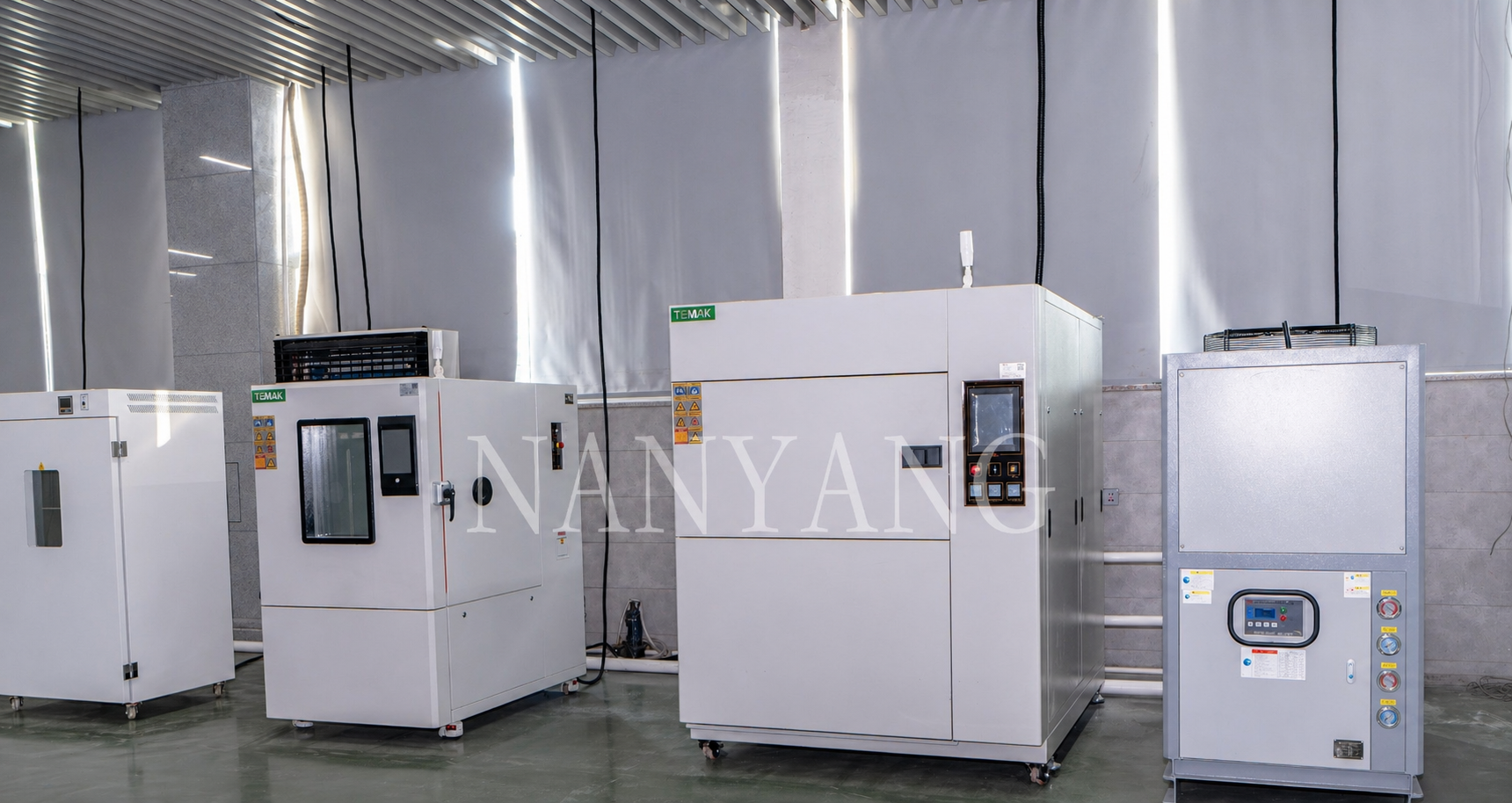
To ensure dependability, specialists put motors into heat rooms, steady moisture setups, and heat shock tools to mimic years of condition contact in mere weeks. These exams aid in forecasting L10 life span, MTBF results, and enduring covering strength.
How Overload and Locked-Rotor Restart Testing Improve Wash Motor Reliability
Sturdiness exams go beyond steady running. A skilled experimental environment needs to mimic the hardest work settings seen in actual homes.
Simulating Over-Rated Load Conditions
In overload exams, specialists purposely set the motor under pull amounts above usual running. This copies full laundry drums and shaky spinning states.
The motor then operates non-stop under high warmth pressure. Meanwhile, specialists watch heat increase, shaking levels, current steadiness, and coil resistance. These exams uncover initial flaws that might not show in regular running.
For capable variable-speed washing machines, firm pull delivery in overload states proves vital. This is because speed changes directly impact wash quality and user satisfaction.
Repeated Stall and Restart Cycle Validation
Locked-rotor restart exams rank among the toughest sturdiness steps for a Wash Motor. Specialists intentionally halt rotor motion while power stays on. The motor safeguard system must respond at once to avoid coil harm.
Once the safeguard period finishes, the motor starts up again. This sequence occurs hundreds or thousands of times to copy years of unusual home use.
Continuous Full-Load Life Testing Equivalent to 10 Years
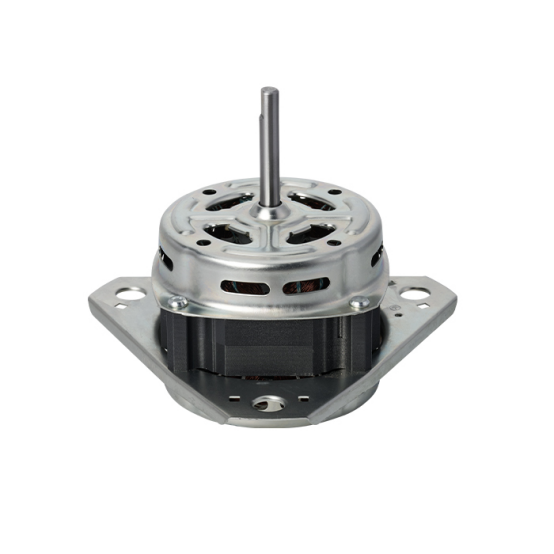
Life labs insert motors into “harsh state plus very long running” mimic systems. In a few weeks or months, specialists can recreate the likeness of over 10 years of actual use.
This method assists in spotting bearing tiredness, covering age, magnetic material weakening, and electronic part decline early during growth. It further backs UL, IEC, and GB approval needs for worldwide appliance markets.
Environmental Testing in Experimental Environment for Long-Term Wash Motor Stability
Beyond overload exams, condition checks hold a large part in motor life forecasting. A steady Wash Motor must keep working under both high moisture and fast heat shifts.
High-Temperature and Humidity Chamber Testing
Within a fixed heat and moisture room, motors run under severe warmth and damp states for extended times. This exam reviews covering steadiness, rust opposition, and electronic dependability.
Dampness can slowly harm low-grade coil covering and links. Prolonged contact might also raise electric leak dangers. Modern water-resistant builds and top insulation items aid in stopping these problems.
Thermal Shock Testing for Material Stability
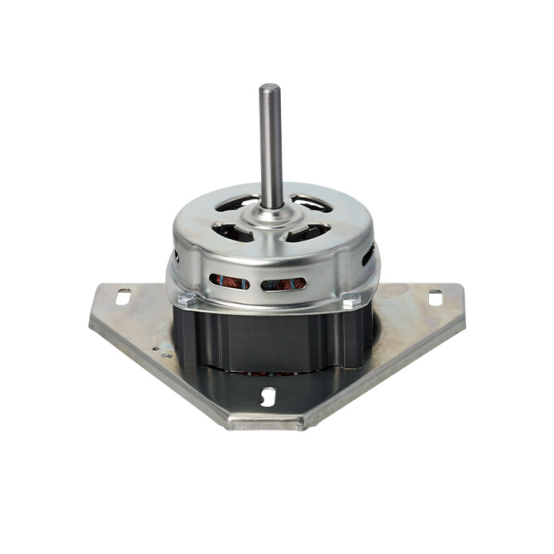
Heat shock rooms quickly change between cool and warm levels. This action pushes metal, plastic, and covering items to grow and shrink often.
Weak build plans might lead to splits, loose ties, or covering splits after several rounds. Firm motor systems hold magnetic uniformity and mechanical power even following intense heat shifts.
Corrosion and Environmental Resistance Validation
In seaside markets, motors need to fight moisture and salt rust over numerous years. Condition exam tools mimic these rough states via dampness contact and rust check steps.
Dependable motors further contain excess heat safeguards, full load safeguards, and closed builds to back safe running in challenging washing machine settings.
Advanced Technologies Behind High-Durability Wash Motors
Sturdiness exams function best when paired with robust design work. Current capable motors call for both modern items and clever building steps.
High-Efficiency BLDC and Direct-Drive Structures
Brushless DC motors remove carbon brush damage. This greatly boosts service length and cuts upkeep needs. Direct-drive setups also lessen mechanical rub since they eliminate old belt transfer systems.
Consequently, washing machines run more softly. At the same time, they enhance wash output and spin steadiness.
Precision Manufacturing and Automated Quality Control
Machine-driven CNC coil tools, smart exam stands, and complete auto check lines raise item uniformity in large output.
Each completed motor passes electric safety exams, sound reviews, output checks, and full load running before delivery. Barcode tracking setups also aid in lasting quality handling and post-sale review.
High Self-Manufacturing Capability Improves Consistency
Making main parts inside aids in keeping steady item quality. Key elements like stator cores, coated wire, and molded parts stay under tight output oversight across the building process.
This combined supply line also lowers output changes and boosts delivery steadiness for worldwide appliance buyers.
Why High-Reliability Wash Motors Matter for Appliance Manufacturers
As you create washing machines for global areas, motor dependability straightly shapes user pleasure, guarantee expenses, and brand standing.
Lower Failure Rates Reduce After-Sales Costs
A motor that handles overload and restart exams shows less chance of breaking in real home states. This cuts fix times and raises long-term device dependability.
Steady motors also assist in lowering shaking, odd sounds, and warmth problems during fast running.
Energy Efficiency Supports Modern Appliance Standards
Capable variable-speed motors aid devices in meeting worldwide power rules. They also cut electric use for final users.
Refined magnetic setups and smart speed handling systems further raise wash results under varied laundry states.
Long Service Life Improves Consumer Confidence
Users now look for washing machines to run steadily for beyond ten years. Motors checked via lasting sturdiness exams offer the assurance required for top device uses.
This holds special weight in spots with high dampness, shaky power, or regular heavy wash tasks.
Conclusion
Current device output relies greatly on motor sturdiness. A fine Wash Motor needs to endure full load states, locked-rotor restart sequences, heat swings, and lasting condition contact without dropping output or steadiness.
Via modern experimental environment checks, lab-based 10-year life exams, and smart sturdiness planning, Huzhou Nanyang Electric-Motor Co., Ltd. keeps providing solid motor options for worldwide washing machine makers. Its modern output systems, strict quality rules, and capable motor methods aid buyers in cutting breakdown dangers. At the same time, they enhance device output and power savings.
If you require steady BLDC motors, direct-drive setups, or tailored washing machine motor options, the firm offers robust building skills, tech aid, and skilled OEM/ODM service for ongoing partnerships.
FAQ
Q1: What is an experimental environment in Wash Motor testing?
A1: An experimental environment means lab states that copy actual work pressures like high dampness, full load running, quick heat changes, and locked-rotor restart sequences to judge long-term motor dependability.
Q2: Why is locked-rotor restart testing important for a Wash Motor?
A2: This exam confirms if the motor can safely bounce back after sudden drum blocks or full load safeguards turn on without harming the coil, covering setup, or electronic parts.
Q3: How does laboratory-equivalent 10-year lifespan testing work?
A3: Specialists operate motors non-stop under harsh load and condition states for some weeks or months to copy over 10 years of home use in a brief exam round.
Q4: Why are BLDC motors more durable than brushed motors?
A4: BLDC motors remove carbon brush damage, cut rub, raise heat output, and deliver steadier running during fast and long wash rounds.
Q5: How can a high-quality Wash Motor improve washing machine performance?
A5: A solid Wash Motor raises wash output, cuts shaking and sounds, lowers power use, and lengthens device service length while cutting upkeep expenses.