How to Qualify a Top-Loading BLDC Motor Before OEM Production
When sourcing a BLDC washing machine motor, provide the supplier with a washer-level duty cycle and ask how the proposed motor, controller and mechanical interface will be jointly validated. A simple catalog power rating and spinning of a sample on a bench does not make approval for production of a top-loader type washer. Seven questions turn an open-ended quote into a testable specification.
This guide sets out the key decisions that an OEM should take before ordering samples, such as determining the correct application, other mating parts, who will control the test, how to repeat the test and what changes there will be between sample and production. This guide does not attempt to provide a ranking of all of the motor technologies available. Its aim is to establish what a supplier is proposing for your specific machine, what remains to be proven and what evidence is required to release the supplier from test.
Establish Application Fit Before Asking for a Quote
Start with washer geometry and operating duty. A supplier cannot select a meaningful candidate for the screen washer if all you provide is the required capacity and a price for a motor.
Question 1: What Wash and Spin Duty Must the Motor Meet?
Share the specifics of the drum or pulsator geometry including wash reversals, speed targets, wet-load range and expected number of starts. Also specify the desired program behavior for unbalanced loads. This data allows the supplier to size for short duration torque and temperature rather than just rated power.
Determine which duty cycle is used for winding temperature limit and which duty cycle is used for controller current limit. A continuous run duty cycle is not sufficient for reverse running / restart applications.
Question 2: Does the Proposed Motor Fit This Washer Architecture?
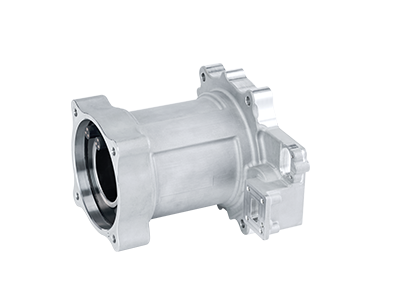
Determine whether the selected candidate is designed for a top loading or front loading configuration and how it is connected to the transmission or load. Check the mounting flanges, shaft diameter, rotation, connector location and clearance as well as possible service access. A mechanically inacceptable sample will also waste a test cycle, despite adequate electrical characteristics.
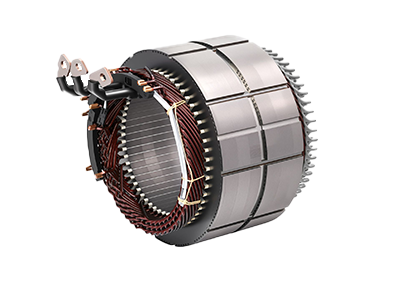
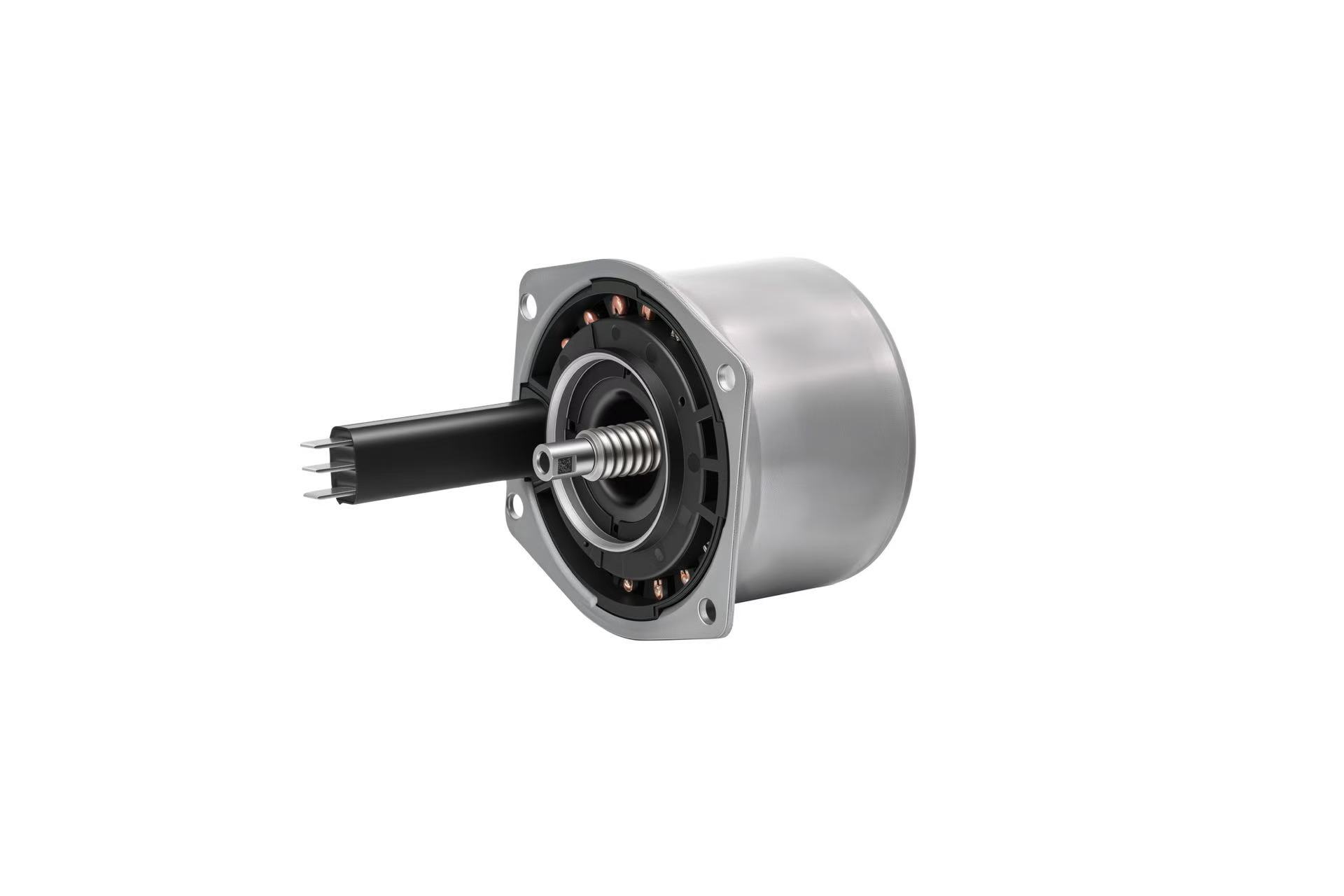
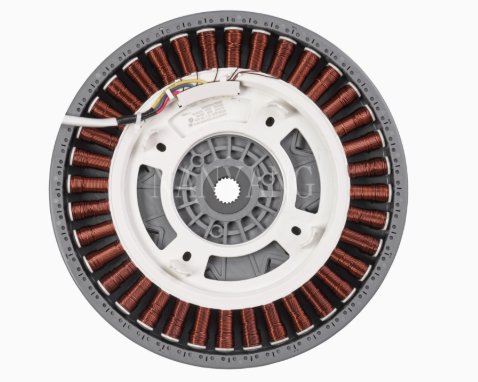
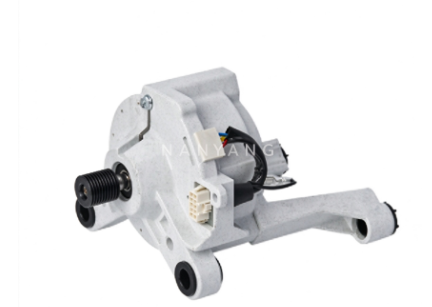
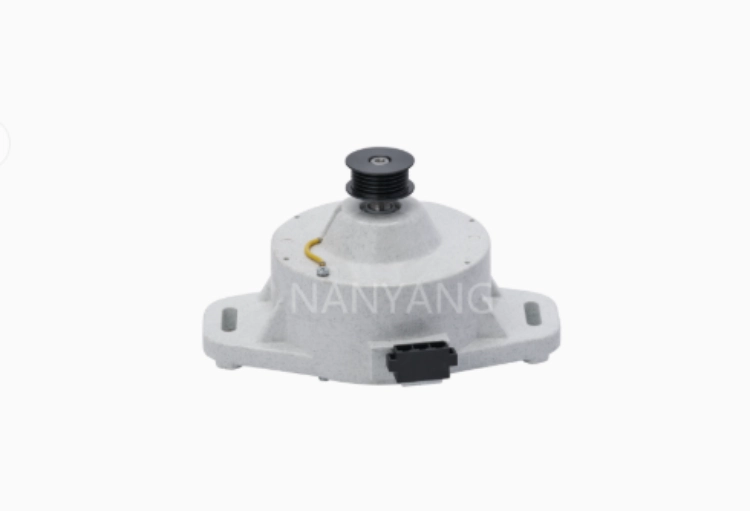
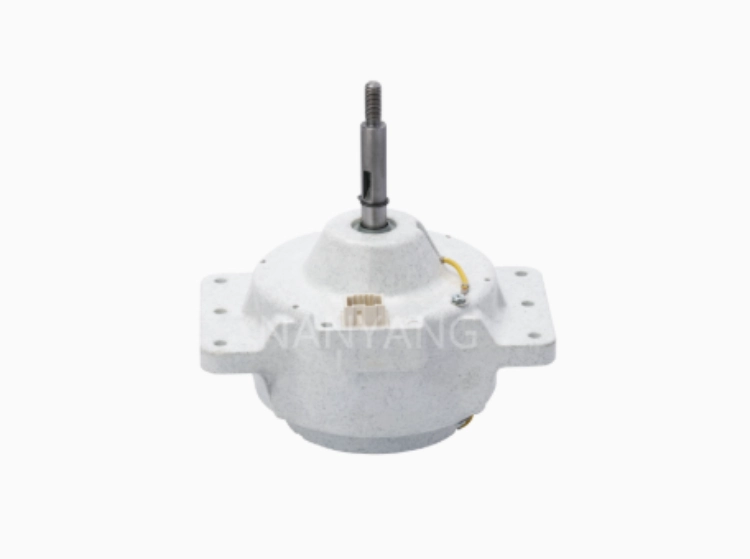
The top-loading BLDC Motor page on Nanyang’s web site defines a dedicated top-loader product with mounting flanges, precision shaft and plug-in connector. Treat these as product-family features and approve dimensions and mating drawings for the actual sample part to be produced.
Question 3: Which Electrical Data and Mating Parts Are Supplied?
Request the winding, voltage, current, insulation, connector, and cable data needed to pair the motor with the washer’s controller. Ask whether a controller or drive software is part of the quotation and who approves the combined system. A BLDC motor needs electronic commutation, but controllers are not interchangeable simply because they can drive BLDC machines.
Note that official specs for top-loading BLDC motors specify particular voltages, rated power, and applications. Check the latest drawing and project approval against any numbers published as limits to purchase.
Set the Sample Acceptance Criteria
Define how a part will pass before it arrives to ensure a nice looking demo does not replace a more rigorous test.
Question 4: How Will Wash and Spin Performance Be Measured?
Define washer load, supply, water conditions, program and methods for recording of torque, speed, energy, sound pressure and temperature. Test low-speed start up as well as reversing including highest spin speed and subsequent steady spin speed. Define required cleaning and extraction results. Note: Lower energy consumption does not automatically equal better washer.
Compare new system to approved current system wherever possible. Document change to program and reestablish the new baseline as needed. Changes in cycle length or load handling must not be confused with motor improvement.
Question 5: Which Abnormal Conditions Must Be Tested?
Specify stalled rotation, an unbalanced load, voltage excursions, loss of a sensor or control signal, hot restarts, and repeat starts. For each case, define whether the washer must stop, retry, or report an error. Confirm that the planned test covers the motor, controller, and actual harness, not only the motor on an isolated rig.
The Nanyang site describes their motor testing. You’d need to ask them what specific testing can be done for your project and which of the complete washer tests are done by the OEM. The capabilities page for a part does not equal a pass report for an appliance.
Question 6: What Must Accompany Each Sample?
Ask supplier to supply revision-controlled drawing plus motor identification plus definition of connectors used, plus ratings applicable to supplier’s test, plus test conditions plus full record of the controller and software actually used. It’s useful to record both versions of settings if supplier wants to change them between first test and re-test.
This is especially important when evaluating two apparently identical samples. Changes to winding, bearings, harness, or firmware can affect performance without changing the headline motor name.
Question 7: What Happens When a Part or Process Changes?
While sampling products can help determine fit for technical requirements, volume purchasing brings about new questions regarding changes and responsibility.
Define notification and re-qualification for changes to winding, material, connectors, mounting features or controller settings. Define who is responsible for root cause analysis if first production units do not match approved samples. Define incoming inspection criteria and process to identify a ‘suspect’ lot.
This company supplies complete motor design, manufacturing and system services. Ask how their motor design, manufacturing and system services teams will handle the process of reviewing your washer drawings, reviewing samples and making production changes, as opposed to simply reading about the company in general.
Turn the Seven Answers Into a Purchasing Decision
Make a comparison sheet with the 7 answers for each of the tasks. Give the candidates the same duties, acceptance criteria, drawings etc. For each of the questions mark ‘open’ if there is any missing information, even if a sample is working. Decide on a test owner for each of the open points and set a closing date for them before issuing a production purchase order.
Price a approved motor-controller combination and associated production support against the low price motor quote. That low motor price may not include the price of the required motor-controller, rework of motor-harness, additional testing and/or redrawing of motor detail drawings. Offer a complete quote as opposed to numerous samples and associated correspondence to outline price differences.
Conclusion
In the development of a top-loading washing machine, start by sourcing a BLDC washing machine motor. Determine the required application duty, verify mechanical and electrical interfaces, conduct sample tests and establish production change control. Nanyang Motor’s top-loader BLDC product would make a good starting point for this washing machine program. Inquire about sending your requirements via the official contact page, and request drawings and test plan for the proposed model.
FAQ
Can one BLDC motor be used in both a front-loader and a top-loader?
After verification of load path, mounting, speed and torque as well as of controller and full-machine test for both designs.
Is washer capacity enough to choose a motor?
No. Capacity does not define the drum geometry, reversal duty, spin target, control method or thermal environment.
Should the supplier provide a controller with the motor?
Even if the OEM intends to use an off-the-shelf drive, agree who is going to supply and validate the controller.
What information belongs on a sample label?
Record the motor model number and revision number. Make sure to link this to the drawings, test results and the controller configuration that was used.
When can an OEM approve a production order?
Only Approve after Washer-level tests have passed and supplied config and change-control rules recorded.