What Are Some Disadvantages of Direct Drive Motors?
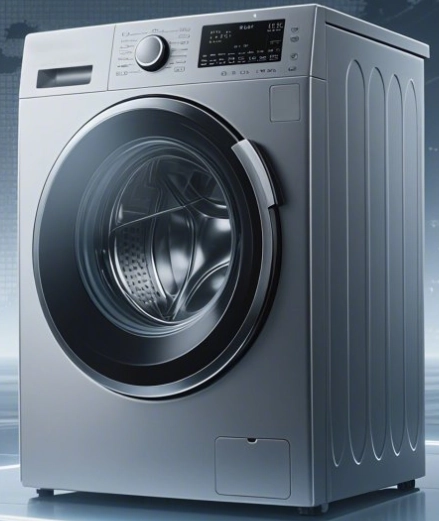
Direct drive motors get a lot of attention in washing machine design. That makes sense. They remove belts and pulleys, reduce some mechanical wear, and help the drum run with a cleaner drive path. For a front-loading washer, that can mean quieter operation, steadier spinning, and fewer belt-related service issues.
But there is another side. A direct drive motor is not automatically the best choice for every washer. It may cost more. It may need more careful controller matching. Fault diagnosis can be harder. And if the washer body, drum balance, or suspension system is weak, the motor alone cannot hide those problems.
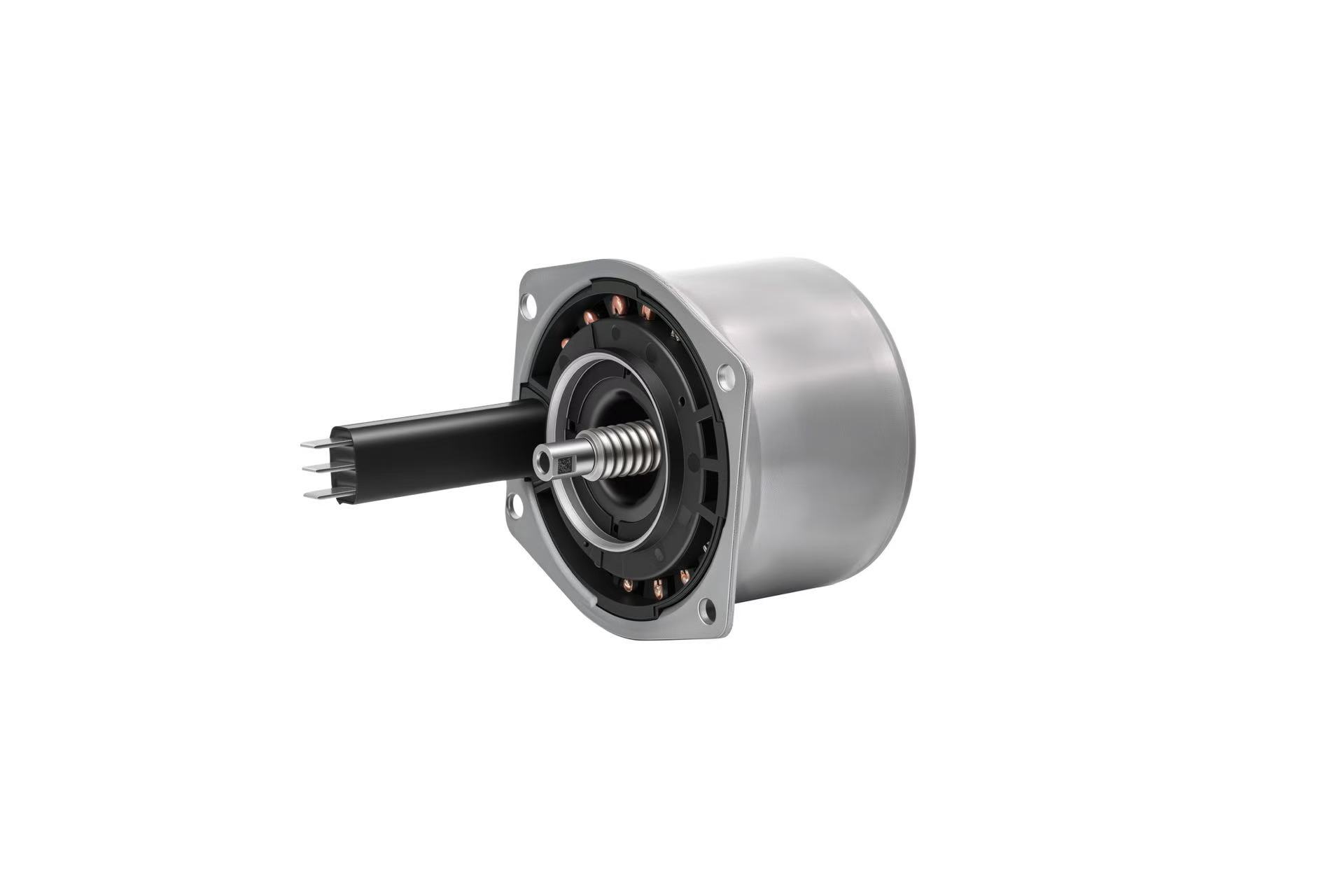
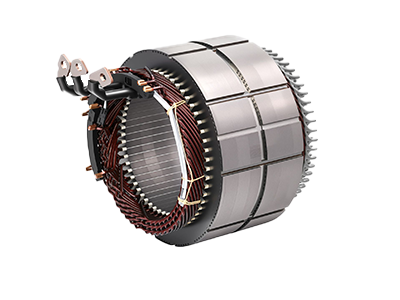
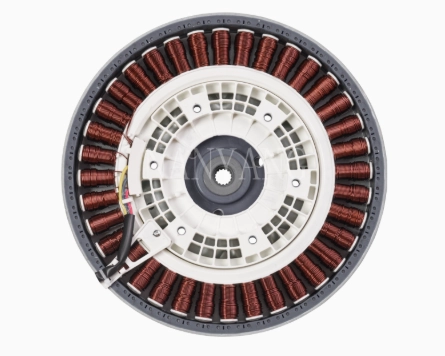
Huzhou Nanyang Electric-Motor Co., Ltd. has worked in the motor industry since 1992, with long experience in home appliance motors and new energy vehicle motors. For washing machine projects, its product range covers different drive needs, but this article focuses on one product: DD Motor. It is a direct drive, outer rotor BLDC motor designed for 8-25kg front-loading washing machines. If you are checking the disadvantages of direct drive motors, DD Motor is a useful product to discuss because it shows both sides clearly: direct drive has limits, but it is still a strong choice when the washer platform is right.
Why Do Direct Drive Motors Still Have Disadvantages?
A direct drive motor removes several mechanical parts, but that does not make the whole washer simple. In fact, once the belt and pulley are gone, the motor works more closely with the drum, controller, load balance, and machine structure. That is where some disadvantages begin to appear.
Direct Drive Removes Belts but Raises System Requirements
A belt-drive system has extra moving parts. Those parts can wear, slip, or make noise. Direct drive avoids many of those issues, which is why it is often used in better washer designs.
The trade-off is that the washer platform must be more carefully built. The motor connects more directly to the drum, so weak load balance, light suspension, or poor cabinet strength can show up during spin. If the washer shakes badly, the problem may not be the motor. It may be the whole structure around it.
Motor and Controller Matching Becomes More Important
A direct drive motor does not work well by itself. It needs a controller that can manage speed, torque, braking, load change, and protection logic. If the controller is not matched correctly, the washer may still have noise, error codes, weak spin, or unstable drum movement.
This is why sourcing only by motor price can be risky. A direct drive motor must be tested with the real washer design. The controller, wiring, drum weight, and load range all matter.
Washer Structure Must Be Strong Enough
Some buyers expect a direct drive motor to fix every noise or vibration issue. It cannot. If the drum is not balanced well, if the suspension is too soft, or if the cabinet is not strong enough, direct drive will not solve the whole problem.
For this reason, direct drive motors fit better in front-loading washers with stronger product positioning. The motor can show its value only when the washer body can support it.
What Are the Main Disadvantages of Direct Drive Motors?
When people ask about direct drive motor disadvantages, the answer should not be too extreme. The product is not bad. The real issue is that it has a clearer use boundary than some buyers expect.
Higher Initial Cost
Direct drive motors usually cost more than basic drive systems. The motor itself may be more expensive, and the related controller design also needs more work. For a low-cost washer, that added cost can be hard to justify.
For a premium washer, the situation is different. If the user wants quieter operation, lower belt-related maintenance, and a smoother spin feel, the higher initial cost can make sense. The question is not whether direct drive is expensive. The question is whether the washer can sell the value that direct drive brings.
More Complex Fault Diagnosis
With a belt-drive washer, some faults are easy to see. A belt may slip, crack, or break. A capacitor may fail. A pulley may make noise. With direct drive, the problem may involve the motor, controller, sensor, wiring, or software logic.
This can make diagnosis slower. A repair team may need better tools and more technical knowledge. For brands and buyers, that means supplier support becomes more important.
Less Suitable for Low-Cost Washer Platforms
Not every washer needs direct drive. If the target model is built mainly for low retail price, direct drive may add cost without giving enough visible value to the user.
That does not mean direct drive is wrong. It means the motor should match the washer’s market position. A direct drive motor is better used where quiet operation, spin stability, and lower long-term mechanical maintenance matter.
When Are These Disadvantages Not a Serious Problem?
The disadvantages of direct drive motors become smaller when the product is placed in the right washer. In higher-value front-loading machines, the user can actually feel the benefits, so the cost and design effort become easier to accept.
Premium Front-Loading Washers Can Justify the Cost
A premium front-loading washer is usually judged by noise, spin stability, energy use, and long-term feel. In that type of machine, direct drive can support the product’s selling point.
This is where DD Motor fits well. It is made for 8-25kg front-loading washing machines, so its use direction is clear. It is not a random motor placed into any washer. It is meant for a platform where direct drive has real value.
Beltless Design Reduces Mechanical Maintenance
One of the clearest strengths of direct drive is the beltless structure. Belts can stretch, slip, wear, and create noise. Removing them reduces several common mechanical service points.
For appliance buyers, this is practical. Fewer belt-related parts can mean fewer related complaints. For users, the washer simply feels more stable and less troublesome over time.
Better Spin Stability Supports User Experience
Spin performance is one of the first things users notice. If a washer shakes, stops, or leaves clothes too wet, they will not care about the motor type. They will only feel that the machine is poor.
A well-matched direct drive system can help the drum respond more directly. This can improve spin stability, especially in front-loading washers that run at higher spin speeds.
Why Is DD Motor Still a Strong Choice for the Right Washer Platform?
After listing the disadvantages, the more useful question is not “Should you avoid direct drive motors?” The better question is “Where should you use them?” DD Motor is a strong choice when the washer platform and product positioning are right.
DD Motor Fits 8-25kg Front-Loading Washing Machines
The DD Motor product is designed for 8-25kg front-loading washing machines. It is a direct drive, outer rotor BLDC motor, which means it is made for a specific washer structure rather than a broad, unclear use.
For buyers, that matters. A motor with a clear application range is easier to evaluate. You can judge it against your washer size, drum structure, noise target, and product level.
Direct Connection to the Tub Reduces Transmission Loss
DD Motor connects directly to the tub without belts or pulleys. This reduces intermediate transmission loss and removes belt-related noise sources. It also means there are fewer mechanical parts between the motor and drum.
This is the core reason direct drive is still attractive. The structure is cleaner. The power path is more direct. In the right washer, that can improve the user’s daily experience.
Product Value Comes From Matching, Not Just the Motor Name
Direct drive is not a label you add to make a washer sound better. The real value comes from matching. The motor must fit the drum, controller, load range, and washer structure.
That is why product selection should include technical discussion, not just a quotation. For a washer project, the motor should be checked as part of the full drive system.
How Should Buyers Decide Whether DD Motor Is Suitable?
If you are choosing a direct drive motor, start from the washer. Do not start from the motor name. The same technology can be a good choice in one platform and an unnecessary cost in another.
Check Washer Positioning First
If your washer is positioned as a quiet, higher-value front-loading model, DD Motor is worth serious consideration. Users in this segment usually care about washing feel, noise level, and spin stability.
If your washer is a basic low-price model, direct drive may not be the first choice. The product may not recover the higher cost in the market.
Compare Initial Cost With Long-Term Value
A low initial motor price is easy to compare. Long-term value is harder, but it matters more in serious projects. You need to think about complaints, maintenance, warranty pressure, and product reputation.
If DD Motor helps reduce belt-related service points and supports a better washer experience, the higher initial cost may be acceptable. This is especially true for front-loading washers sold as quiet or higher-capacity models.
Choose a Supplier With Drive System Support
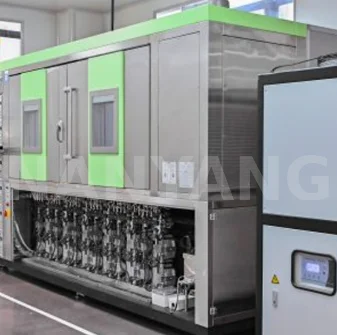
For a direct drive washer project, supplier capability matters. You need R&D support, production control, testing, and project communication. The company’s R&D support helps buyers check motor matching and application needs before production.
You can also review its wider home appliance motor products to see how different washer motor solutions are positioned. If your project needs samples, drawings, or parameter discussion, the contact channel is the right place to continue.
Conclusion
Direct drive motors do have disadvantages. They can cost more at the beginning. They need better controller matching. Fault diagnosis can be more complex. They also require a stronger washer platform, especially when the machine runs high-speed spin cycles.
But these disadvantages do not mean direct drive motors are a poor choice. They simply mean the motor must be used in the right washer. For premium front-loading washing machines, DD Motor is still a strong recommendation. It is designed for 8-25kg front-loading washers, uses a direct drive structure, and avoids belts and pulleys. That makes it suitable when quiet operation, stable spin, and lower belt-related maintenance matter more than the lowest initial cost.
The product advantage is clear: it is not a general motor forced into every machine. It is built for a specific washer platform. With production experience, R&D support, and product service, the company can help buyers judge whether DD Motor fits a real front-loading washer project. For custom requirements, sample discussion, or technical matching, service and contact support should be the next step.
FAQ
Q1: What are some disadvantages of direct drive motors?
A1: The main disadvantages are higher initial cost, more complex fault diagnosis, stronger controller matching needs, and less suitability for very low-cost washer platforms.
Q2: Are direct drive motors bad for washing machines?
A2: No. Direct drive motors are useful when they match the washer structure and product level. They are especially suitable for premium front-loading washing machines.
Q3: Why can direct drive motor repair be more complex?
A3: A direct drive system may involve the motor, controller, sensor, wiring, and control logic. The real fault is not always the motor itself.
Q4: When is DD Motor a good choice?
A4: DD Motor is a good choice for 8-25kg front-loading washing machines where quiet operation, stable spin, and lower belt-related maintenance are important.
Q5: Should every washer use a direct drive motor?
A5: No. A direct drive motor should match the washer’s price level, structure, load range, and user expectations. It is not necessary for every low-cost washer platform.