What Is an Inverter in an Electric Vehicle? Drive Motor and Motor Drive Explained
An inverter in an electric vehicle is the power-electronics unit that converts the battery’s DC power into controlled multi-phase power for the traction motor. It controls motor torque and speed during acceleration and cruising, and it manages the reverse energy flow used during regenerative braking. In a simple drive motor system, the battery stores energy, the inverter controls electrical power, and the drive motor converts that input into wheel-driving torque.
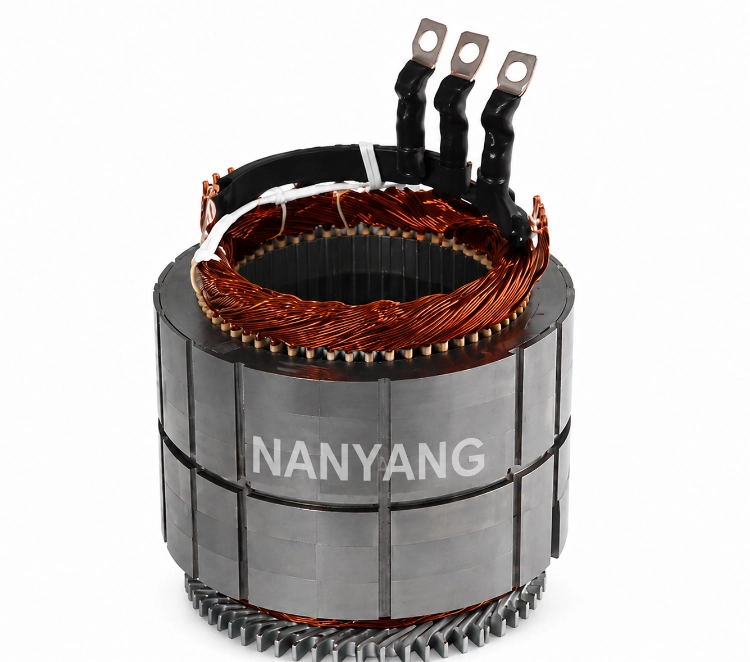
An EV inverter is separate from the drive motor, but the two must be specified together. For engineers preparing a drive motor assembly or motor drive RFQ, the inverter interface is part of the usable operating envelope. Nanyang Motor develops new-energy vehicle motors and supporting automotive components. The official Drive Motor product reference is the starting point for an application review.
What Does an EV Inverter Do?
The main job of an EV inverter is to deliver the required electrical output at the right moment without exceeding the limits of the battery, motor, inverter, or cooling system. Its functions explain why a drive motor cannot be evaluated from peak power alone.
Convert DC Battery Power
The traction battery supplies direct current. Most modern EV traction motors use controlled multi-phase current, so the inverter rapidly switches the DC input to create the waveform the motor needs. Output changes with torque demand, motor speed, battery voltage, and temperature.
Control Motor Torque and Speed
The vehicle controller sends a torque request and the inverter changes the current supplied to the drive motor. At low speed, high torque demand can create heavy current and thermal stress. At higher speed, voltage limits and motor back-EMF become more important.
Manage Regenerative Braking
During regenerative braking, the traction motor works as a generator. The inverter controls the electrical path so recovered energy can return toward the battery within battery, motor, and software limits. Regeneration is therefore a motor drive system function, not the result of one component alone.
Inverter, Drive Motor, and Motor Drive Roles
These terms describe connected but different parts of the EV propulsion system. Keeping the roles separate makes a drive motor assembly RFQ clearer and prevents a buyer from treating motor controller, inverter, and drive motor as interchangeable.
What Is a Drive Motor and How Does It Work?
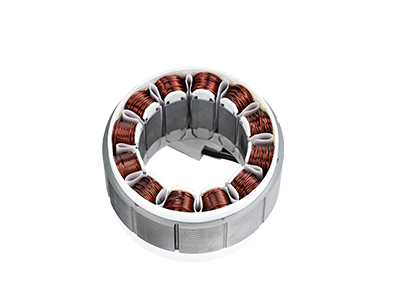
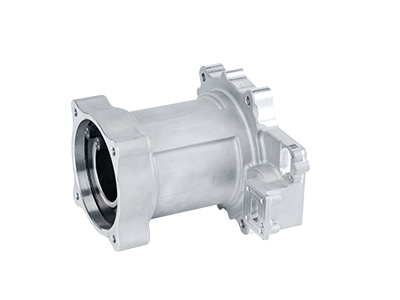
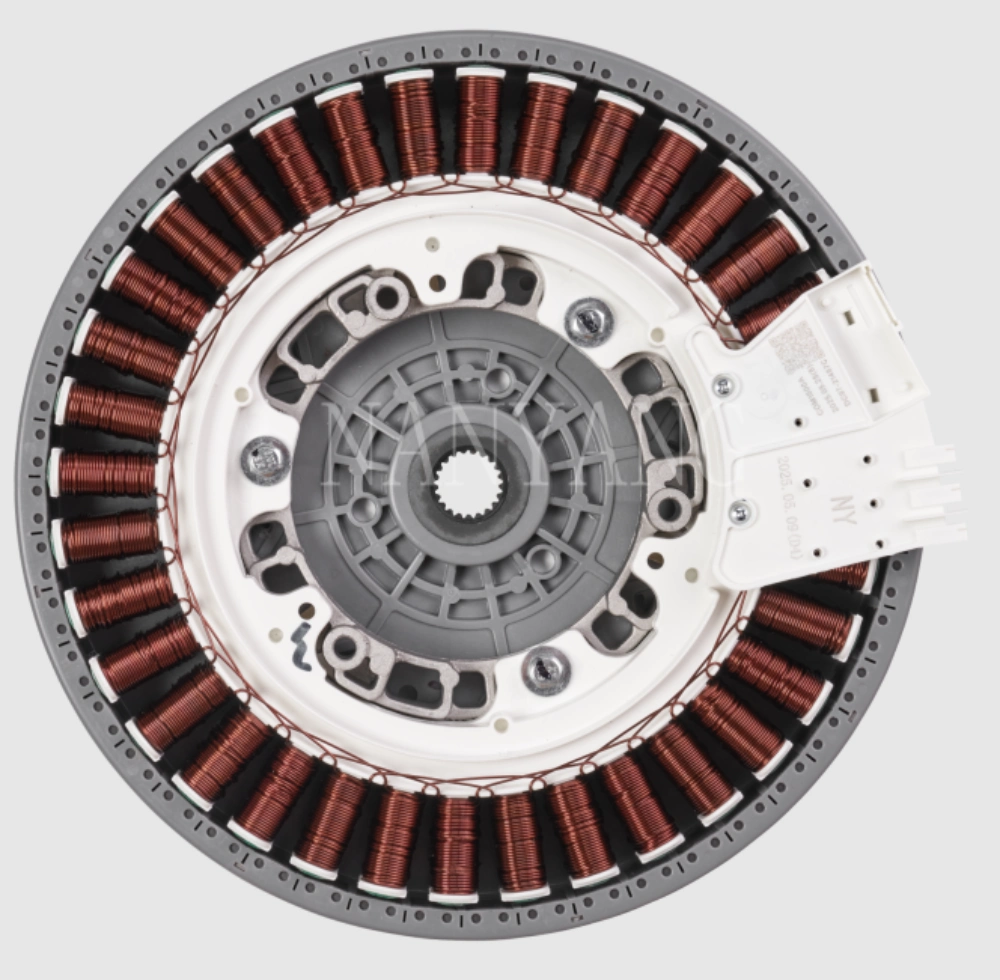
The inverter is power electronics. The drive motor is the electromechanical machine that converts controlled electrical input into mechanical torque. A drive motor assembly may include the motor and related mechanical or sensing interfaces, but the exact scope must be defined in the drawing and RFQ.
Inverter vs Vehicle Controller
The vehicle controller decides what the vehicle should do. The inverter executes motor-control commands within its electrical and thermal limits. Communication, torque commands, fault codes, enable signals, and derating behavior need clear ownership during development.
What Does a Motor Drive Do?
A motor drive controls how electrical energy is delivered to a motor so the motor can produce the required speed and torque. In an EV, the inverter is the high-power motor drive element between the battery and traction motor, while the vehicle controller supplies higher-level commands.
|
Part |
Primary function |
RFQ or validation focus |
|
EV inverter / motor drive |
Converts and controls battery DC power for the motor; supports regeneration |
DC bus range, phase current, switching, communication, cooling, and protection |
|
Drive motor |
Converts controlled electrical power into mechanical torque |
Torque-speed curve, motor structure, insulation, cooling, feedback, and efficiency |
|
Drive motor assembly |
Defines the motor package and its connected interfaces |
Mounting, dimensions, connectors, sensing, cooling, and approved drawing scope |
How Do You Match an Inverter to an EV Drive Motor?
Start with the vehicle operating envelope, then check electrical compatibility, heat rejection, feedback, protection, and validation. This sequence ties the motor drive selection to real duty rather than isolated component ratings.
Voltage, Current, and Speed Range
Confirm battery DC bus range, inverter continuous and peak current, motor phase configuration, pole count, speed range, torque-speed curve, insulation requirements, and rotor-position feedback. Link peak current to a defined duration because a short acceleration event differs from repeated hill-climb or high-load duty.
Cooling and Thermal Margin
The inverter and motor both produce heat. State ambient conditions, coolant strategy, inlet temperature, packaging space, repeated high-load periods, and derating requirements. A short bench run proves basic operation but does not establish thermal margin for repeated vehicle use.
Feedback, Protection, and Fault Response
Define rotor-position feedback, current and temperature sensing, overcurrent protection, overvoltage response, stall behavior, communication faults, sensor-loss behavior, thermal thresholds, and safe derating in the validation matrix.
What Should an EV Drive Motor RFQ Include?
A strong RFQ gives the supplier enough data to check the complete operating envelope instead of quoting only a motor size.
Vehicle and Operating Envelope
Include vehicle type, voltage platform, continuous and peak torque, maximum motor speed, repeated duty cycle, regenerative requirements, packaging space, cooling method, ambient range, expected annual volume, and project-specific compliance or validation standards.
Validation and Change Control
Define prototype stages, electrical and temperature-rise checks, environmental tests, connector verification, end-of-line inspection, approved samples, drawing revisions, and how interface changes will be recorded.
Supplier Capability
Nanyang Motor reports IATF 16949 certification, a dedicated automotive R&D department, 18 EV motor production lines, 109 patents across its R&D work, and in-house manufacturing of several core motor components. Review this production evidence together with the Drive Motor product reference and the motor-inverter interface requirements. The complete drive motor guide is useful when defining a broader motor drive system, and the Nanyang contact page can support an application-specific RFQ.

Conclusion
An EV inverter converts battery DC power into controlled motor power, regulates torque and speed, and manages regenerative energy. It is separate from the drive motor, but both belong to one motor drive system and must be matched for voltage, current, torque-speed performance, feedback, cooling, protection, and validation. For a drive motor assembly project, begin with a defined vehicle duty cycle and an interface sheet, then review Nanyang Motor’s Drive Motor range with the complete application data.
FAQ
What does an EV inverter do during regenerative braking?
It controls the reverse electrical flow so the motor’s generated energy can return toward the battery within system limits.
Is an EV inverter the same as the motor?
No. The inverter controls electrical power, while the drive motor converts that input into mechanical torque.
What does a motor drive do in an EV?
It controls electrical energy delivered to the motor so the motor can produce the requested speed and torque.
What information should a buyer send for an EV drive motor quotation?
Send vehicle type, voltage, torque and speed targets, duty cycle, regeneration requirements, packaging, cooling, volume, feedback, protection, and validation requirements.