What Is the Life Expectancy of a Washing Machine Motor?
When you purchase a laundry device, the central part is clearly the motor that powers each cycle. The issue of how long this element will endure shapes the actual worth of your buy. This holds true particularly as current designs expand the limits of sturdiness. Many residents hope their devices will last around ten years of use. However, the fact usually relies on the exact motor method and the production guidelines supporting the equipment. If you seek factory-level steadiness, Huzhou Nanyang Electric-Motor Co., Ltd. has devoted more than three decades to refining these parts. As a result, the power source for your laundry remains quiet and firm for many years.
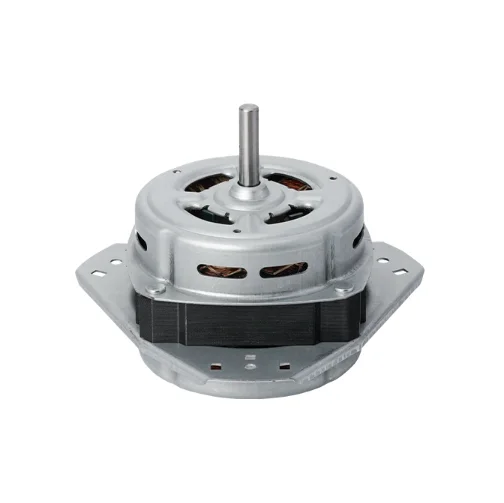
Determining the Standard Lifespan of Modern Washing Machine Motors?
The staying power of a washing machine motor lacks a set figure. Instead, it forms a spectrum shaped by the inner structure of the drive setup. Basic types may display wear after about seven years. On the other hand, solid engineering targets far greater marks. You will notice that motors made under strict quality frameworks, like IATF 16949, aim to endure market checks. Moreover, they keep a no-failure history even in tough settings.
Typical Longevity Ranges for Residential and Commercial Units
In normal home use conditions, usual AC induction motors usually offer steady service for over eight years. By comparison, more developed setups like Wash Motors built with brushless or direct drive methods often surpass ten years of working life. This difference in endurance stems mainly from less physical rubbing inside the motor case.
Comparison Between Conventional AC Motors and Advanced Inverter Motors
Standard AC motors are well-established and budget-friendly. Yet, they depend on basic processes that might produce extra warmth as time passes. Inverter motors, such as the BLDC series, show a major advance in lasting power. This occurs because they employ electronic controls to handle speed accurately. By removing carbon brushes, these motors cut out the main reason for physical erosion. Consequently, the unit can operate for thousands of hours without upkeep.
Role of Nanyang Motor in Defining Global Quality Standards
Holding a 15 percent share in the worldwide market for washing machine inverter motors, the production guidelines at this production base establish a firm standard for the field. Their items face tests to confirm ongoing smooth work for more than 8000 hours. They also meet F-level insulation and IP44 waterproof levels. This dedication to high standards clarifies why their motors continue running steadily in severe weather, like that in the Middle East, after ten years of service.
Key Factors That Influence Your Washing Machine Motor Life
Impact of Frequency of Use and Daily Load Capacity
Regularly filling the drum beyond its limit pushes the motor to create greater force. This raises inner heat levels and may cause early breakdown of the insulation. A Spin Motor is constructed to manage set weight bounds, such as 15kg or 25kg. However, going over these daily will surely cut the part’s duration. Motors with included stall and overheat safeguards handle these rare pressures better. They do so by halting power to avoid lasting harm.
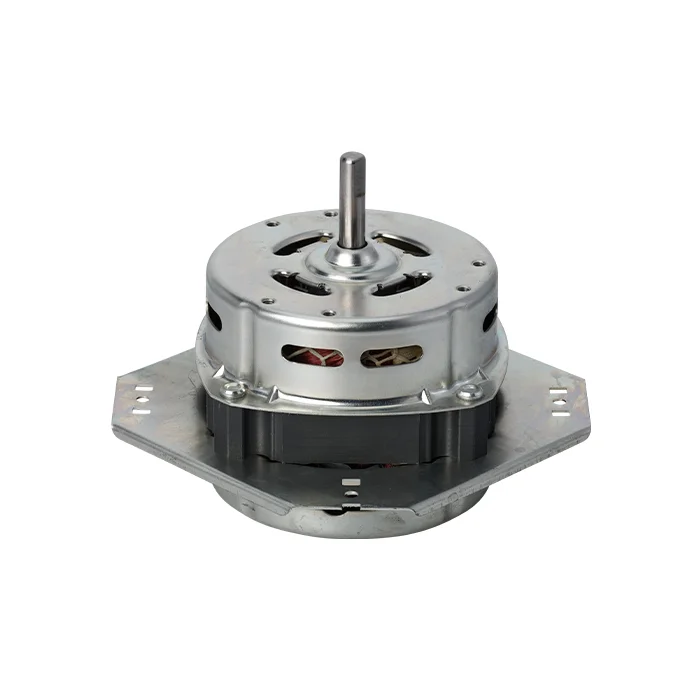
Importance of Environmental Conditions and Humidity Protection
Washing devices naturally sit in moist spots. Thus, dampness acts as a hidden threat to electrical coils. Fine motors apply IP55 safeguard levels and special lead wires, like the JYJ 125℃ types, to block water splashes and dirt from sparking shorts. Without proper sealing, high dampness can rust the stator and rotor centers.
Influence of Power Supply Stability and Voltage Fluctuations
Parts in current Drivers react keenly to the grid’s power quality. Often occurring voltage spikes can strain the inverter paths. Meanwhile, low voltage may make the motor pull too much current to keep speed. A motor that backs various control methods and broad voltage fits—such as 110V for North America or 220-240V for Europe—keeps the gear matching local power traits.
Explaining the Superior Longevity of BLDC and DD Motor Technologies
The change to Brushless DC (BLDC) and Direct Drive (DD) motors goes beyond power saving. In essence, it marks a basic overhaul to position the motor as the final part to break in your device. These methods break from the belt-and-pulley setups that ruled the last century.
Absence of Carbon Brushes to Minimize Mechanical Wear
Usual motors employ carbon brushes to touch the spinning sections. This contact always brings rubbing, warmth, and material loss. BLDC motors skip these brushes completely. Therefore, no “wear section” exists that would demand eventual swap. This choice makes BLDC types favored for top units that vow service beyond ten years.
Enhanced Energy Efficiency Through Precision Electronic Control
Applying 0.2 mm very fine silicon steel layers in the build can render it 30 percent more power-thrifty than common choices. Since the Drivers can tweak speed without steps, the motor draws only the needed power for the present load. This accuracy avoids the “full or none” pressure in past motors. As a result, it greatly lowers the heat burden on the inner coils.
Direct Drive Mechanics for Reduced Vibration and Component Stress
Direct Drive (DD) motors fix directly to the wash tub’s back. This removes the call for belts that might slide or break. The one-to-one drive setup ensures nearly no power loss in transfer. With fewer moving elements, the whole system shakes less. Less shaking plays a main role in lasting power. It stops the early loosening of inner links and the quick erosion of the motor’s fast bearings.
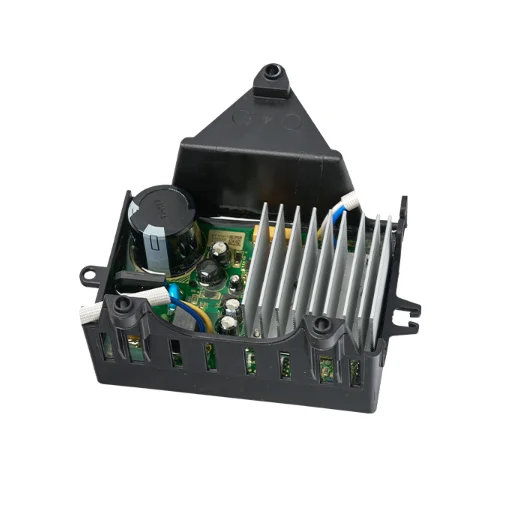
Professional Maintenance Tips to Extend the Life of Your Motor?
Though top motors aim for no upkeep needs, your handling of the device can block outside problems from harming the motor. Often, the minor ignored sections of the unit eventually make the motor labor more than planned. If you face queries on exact tech needs, the contact team at Nanyang can offer advice on setup blending and care.
Regular Cleaning of the Drainage System to Prevent Overloading
When the drain pump or filter blocks up, the device cannot clear water well. This leaves the motor to turn a drum far heavier than normal. Such added push puts the motor in a high-force mode during the spin phase. That builds too much warmth. Clearing the water routes keeps the Wash Motor running in its set thrift band.
Proper Distribution of Laundry to Maintain Rotor Balance
An uneven load stands as the top reason for strong shakes that harm the motor’s shaft and supports over time. New smart motors can do load tweaks to attempt evening the clothes. Yet, you should still skip washing one heavy piece like a mat alone. Balancing the load cuts the physical strain on the rotor. In this way, it aids the motor to hit its complete possible span.
Periodic Inspection of Electrical Connections and Control Interfaces
Across years of running, the device’s shakes can at times undo the wire bundles tying the motor to the chief control. If you spot the unit halting abruptly or showing link errors, it might signal a loose tie or bad spot sensor. Making sure the electric route stays neat and firm blocks spotty power troubles from making the motor “hitch” or break early.
Why Nanyang Electric-Motor Is the Preferred Choice for Global Brands?
Picking a motor provider means viewing the reach of their production line and their past of quality results. A firm that builds its own main parts—from the coated wire to the stator and rotor centers—gains a control level that mere assembly plants cannot reach. This full oversight marks the Nanyang Group. Over time, it has grown into a group firm spanning the full motor production line.
Integration of Premium Materials Like 0.2mm Ultra-Thin Silicon Steel
The choice of fine base materials forms the base of an enduring motor. By drawing on very thin silicon steel and heat-resistant coated wires, these motors gain better power flow output, often over 90 percent to 95 percent. This stress on material knowledge makes sure the motor creates less waste warmth. In turn, this warmth ranks as the chief cause in the decline of electric shielding.
Rigorous Quality Assurance With Zero-Defect Performance History
Each motor passes a two-hour steady full-load run trial to check it avoids excess warmth before factory exit. The quality check flow includes more than 30 stages. Plus, each piece gets a unique code for post-sale tracking. This careful method has led to a no-failure mark in various market areas. Fault rates stay as low as 0.05 percent for top alliances.
Strategic Partnerships With Industry Giants Like Samsung and Haier
When worldwide heads in the device field select a motor, they stake their name fame on that part’s endurance. Nanyang Motor acts as a key ally for names like Samsung, Haier, and Midea. It supplies blended fixes that aid these firms to gain “International Energy Star” nods. These ties rest on a history of sending thousands of pieces daily without faults. This shows the motors can meet worldwide market calls.
Choosing the Right Nanyang Motor for Your Application Needs?
Choosing the proper motor calls for weighing the size of your unit against the wanted output grade. Be it crafting a small washer for a flat or a tough business model, a certain motor setup fits that role best. You can scan the whole set of choices in the products section to spot the top match for your gear.
High-Performance BLDC Series for Premium Front-Loading Models
For middle-to-upper drum washing units from 7kg to 15kg, the BLDC brushless DC motor sets the top mark. It blends the finest power thrift, soft sound, and a span that usually covers the device’s full run. These motors back several control paths like PWM and CAN bus. Thus, they blend easily into new “smart” device networks.
For units with high hold up to 25kg in top-loading style, the DDM direct drive motor suits well for its strong force and no-belt build. By cutting the gear cut-down part, these motors hold sound under 58dB. At the same time, they lift cleaning output by 15 percent. It ranks as the top pick for luxury types where calm running sells well.
Economical AC Induction Motors for Reliable Entry-Level Appliances
For low-cost pulsator washing units where price matters most, a basic Spin Motor or AC induction motor stays a workable and steady option. These motors show a plain, grown structure that proves simple to make in large amounts. Still, they fill the core wants of routine wash tasks. They deliver a solid 30-250W of strength for units up to 15kg.
FAQ
Q1: How can I tell if my washing machine motor is about to fail?
A: You should listen for unusual grinding noises or high-frequency whining during the spin cycle, which often indicates bearing wear. Other signs include the motor triggering its overheat protection frequently or the drum failing to reach its full rotation speed despite a normal load.
Q2: Does a direct drive motor really last longer than a belt-driven one?
A: Generally, yes, because direct drive (DD) motors eliminate belts and pulleys that are prone to wearing out or breaking. By using a 1:1 direct connection, there is less mechanical stress and no intermediate power loss, which contributes to a lifespan that frequently exceeds 10 years.
Q3: Is it safe to use these motors in high-humidity laundry rooms?
A: Yes, quality motors are designed with IP44 or IP55 protection ratings specifically to prevent water spray and dust from entering the internal components. They also feature high-temperature resistant lead wires with stable insulation to ensure safety in damp environments.
Q4: What makes BLDC motors more energy-efficient than traditional AC motors?
A: BLDC motors use a brushless structure and precision electronic Drivers to adjust speed steplessly, reducing energy waste by 20-30%. Additionally, the use of ultra-thin silicon steel sheets reduces internal energy loss during the conversion of electricity to motion.
Q5: What should I do if my motor suddenly stops spinning during a cycle?
A: First, check for mechanical obstructions like foreign objects stuck in the drum, as this can trigger the motor’s overload protection. If the drum moves freely, the issue may be a communication failure in the electronic control system or a faulty position sensor, which may require professional technical support.