Why Washing Machine BLDC Motors Achieve Superior Durability Through Environmental Testing and Life Simulation with Environmental Testing Equipment
When you choose a washing machine BLDC motor, durability is no longer optional. It directly affects long-term performance. In real use, the motor must handle humidity, temperature variation, and frequent start-stop cycles. This is where Environmental Testing Equipment and strict validation methods become essential. Manufacturers run accelerated laboratory tests that simulate a 10-year service life. They also apply demanding conditions such as over-rated load and stall restart cycles. These processes confirm whether the motor can remain stable over time.
Before looking at these testing methods in detail, it is useful to know the company behind such capabilities. If you evaluate suppliers from a technical perspective, Huzhou Nanyang Electric-Motor Co., Ltd. represents a well-established and fully integrated manufacturer. With more than 30 years of experience, the company combines motor design, production, and component management within one system. By producing key parts in-house, it maintains consistent quality while controlling costs. What distinguishes the company is its advanced testing infrastructure, where motors are verified under real and extreme conditions rather than assumptions. It also supports international certifications such as UL, IEC, and GB, reflecting strong engineering standards. For applications that require a reliable washing machine BLDC motor, this level of testing capability offers a clear advantage.
What Makes Washing Machine BLDC Motors More Durable Than Traditional Motors
To grasp why durability gets better, start with the basic build. Traditional brushed motors depend on direct contact to move current. This contact causes gradual damage as time passes. On the other hand, a washing machine BLDC motor gets rid of that contact spot.
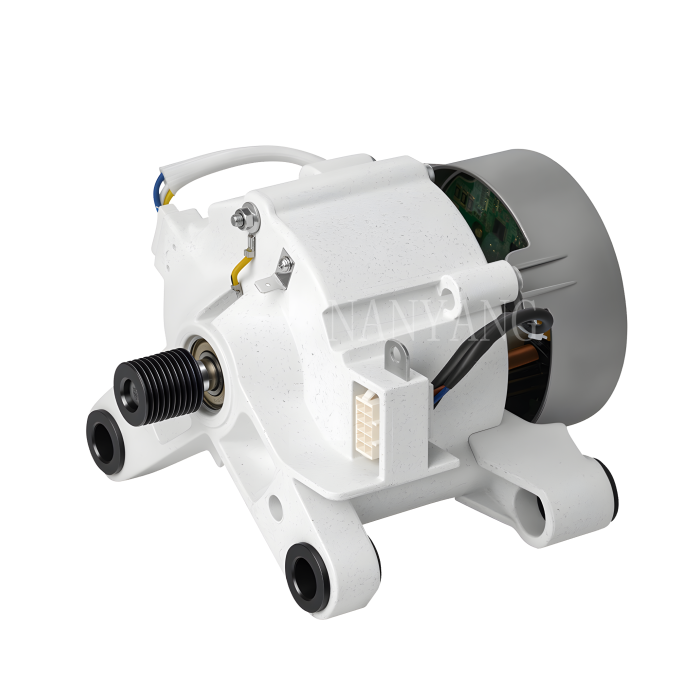
Brushless Structure Eliminates Mechanical Wear Sources
The design lacks carbon brushes. As a result, no ongoing rubbing happens inside the motor. This cuts out a major spot where failures often start. Therefore, the motor keeps even output for a much longer time.
Stable Performance Under Variable Load Conditions
Washing machines seldom run with fixed loads. The way clothes shift keeps changing. A BLDC motor handles these shifts well. It uses exact control methods. Thus, it holds torque and speed steady, even when under pressure.
Higher Efficiency And Reduced Heat Generation
Less energy waste means smaller amounts of heat build up. This matters a lot for extended runs. It proves even more vital when paired with constant cycles.
These build advantages matter greatly. However, they form just one piece of the full picture. Real durability demands proof from actual conditions.
Why Washing Machine Motors Often Fail In Real Operating Conditions
A carefully planned motor might still break down. This happens if it cannot manage daily pressures. Many standard options lack in this area.
Frequent Start-Stop And Unbalanced Load Issues
Each wash process involves several starts and stops. When the drum gets out of balance, the motor meets sharp torque increases. With time, this builds up mechanical tiredness.
High Humidity And Temperature Fluctuation Effects
Washing machines work in wet spaces. Water in the air can harm insulation, electronic parts, and metal sections. Changes in temperature speed up the aging process even more.
Long-Term Wear Leading To Performance Degradation
Bearings gradually wear out. Windings break down slowly. Magnets might weaken in strength. All these shifts lower efficiency. They also raise the chance of breakdowns.
Design fixes these issues partly. Yet, it falls short on its own. You must confirm through managed tests.
How BLDC Motor Design Solves Reliability Challenges In Washing Machines
Current BLDC motors tackle these issues via both form and management. They address the problems effectively.
Direct Drive Structure Reduces Mechanical Loss And Failure Points
Several designs for washing machine BLDC motors use a direct drive method. This setup skips belts and pulleys. As such, mechanical waste drops. Dependability rises accordingly.
Improved Control For Smooth Operation Under Dynamic Loads
Better controllers enable fine-tuned changes in speed and torque. This setup cuts down on shaking. It also guards inner parts during shifts in load.
Enhanced Material And Structural Design For Long-Term Stability
Stronger insulation helps a lot. Tougher magnets add value. Well-planned bearings support the effort. All these elements boost the time of service. Still, they require tough checks to confirm.
How Environmental Testing Equipment Validates Motor Stability In Extreme Conditions
To guarantee steadiness, makers turn to Environmental Testing Equipment. This gear recreates true and severe surroundings.
High Temperature And Humidity Testing
Workers place motors into hot chambers. They also use steady temperature-humidity units. These steps check if insulation and materials stand up to water and warmth.
Thermal Shock And Temperature Cycling
Thermal shock units switch quickly between very hot and very cold states. Such tests uncover weak spots in the build. These spots come from growth and shrinking due to heat changes.
Validation Of Materials And Components
Checks go beyond the full motor. They cover electronic bits, plastic items, and metal parts too. This ensures the whole unit stays firm amid varying surroundings.
These steps let a washing machine BLDC motor show it works well in true settings.
How 10-Year Equivalent Life Testing Proves Long-Term Reliability
Environmental checks form one key part. For lasting strength, quickened life tests become necessary.
Extreme Conditions And Long-Duration Simulation
In a special lab space, motors operate non-stop under harsh setups. This method lets them finish a complete life cycle in just weeks or months. It matches what ten years would bring.
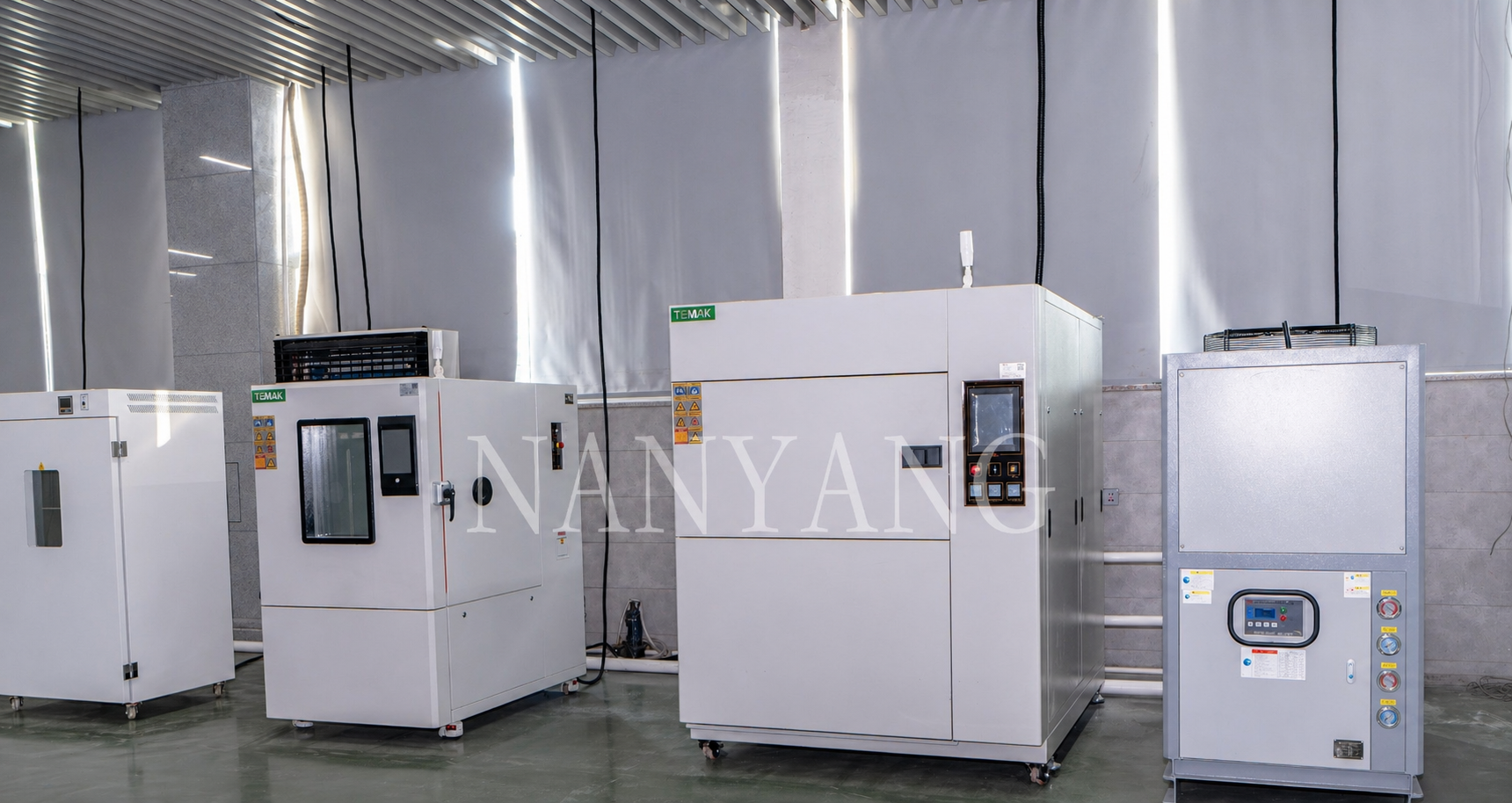
Over-Rated Load And Stall Restart Cycle Testing Mechanism
Tests push motors past usual bounds. They apply over-rated load plus stall restart cycle methods. This action brings out flaws that stay hidden in normal runs.
Failure Mode Detection
Engineers watch key spots for problems during the tests:
· Bearing wear
· Winding aging
· Magnet demagnetization
· Hall sensor failure
Teams spot these troubles early on. They catch them before real uses suffer.
Life Prediction And Certification
Data from the tests helps calculate figures like MTBF, L10, and B10. These numbers back up rules from UL, IEC, and GB. In turn, they assure steady work in practice.
Product Solution: Washing Machine BLDC Motor For High-Durability Applications
Once you know the testing steps, judging the item itself improves. You gain a clearer view.
Adaptation To Harsh Operating Conditions
This motor fits tough work settings. It manages moisture, heat swings, and ongoing cycles. Even in hard spots, it keeps output reliable.
Low Maintenance And Long Service Life
The brush-free build cuts down on upkeep. Checked strength adds to this. Failures drop as a result. Run time stretches out further.
System Integration And Efficiency
The motor links smoothly with new control setups. It offers exact speed handling. Noise levels fall. Energy use gets better overall.
Conclusion
Picking a washing machine BLDC motor means claims of performance need real proof. The mix of Environmental Testing Equipment, ten-year equivalent life testing, and over-rated load plus stall restart cycle checks gives solid signs of strength.
This method makes sure the motor works evenly in true surroundings. It fights off slow damage. It also fits worldwide rules. Backed by firm planning and tested checks, you get an option that lowers dangers. Product quality rises as well.
For custom fixes, help with service, or advice on tech matters, reach out via the main site. Solid work begins with checks that prove themselves.
FAQ
Q1: How do real washing machine conditions affect motor lifespan?
A1: Washing machines operate with frequent start-stop cycles, uneven loads, and high humidity. These factors accelerate wear on traditional motors, while BLDC designs maintain stability under these stresses.
Q2: Why is laboratory-based life simulation important for motor selection?
A2: Laboratory simulation recreates extreme operating conditions in a short time. It allows engineers to detect early failures such as bearing wear or winding aging before the motor is used in real applications.
Q3: What role does temperature variation play in motor reliability
A3: Rapid changes between high and low temperatures can cause material expansion and contraction, which may weaken internal structures. Testing under these conditions ensures the motor can handle real environmental fluctuations.
Q4: How do engineers predict long-term performance before actual use?
A4: Engineers analyze data from accelerated tests to calculate indicators like MTBF, L10, and B10. These metrics help estimate how the motor will perform over years of operation.