BLDC vs motore a azionamento diretto spiegato in modo semplice
Oggi’ Le configurazioni a motore richiedono una forte efficienza, meno rumore e una gestione precisa. Tra le scelte popolari ci sono motori BLDC (Brushless DC) e motori a azione diretta. Entrambi svolgono ruoli chiave in molti settori. Tuttavia, le loro differenze di costruzione, le caratteristiche di funzionamento e i migliori usi differiscono molto. Se lavori su attrezzature di automazione o dispositivi domestici di fantasia, scegliere il tipo di motore giusto può modellare quanto funzionano bene le cose e il costo completo nel corso degli anni.
Per opzioni all'avanguardia e tecnologia di punta nelle impostazioni di unità, controlla i prodotti da Huzhou Nanyang Electric-Motor Co., Ltd.Questa azienda è un leader affidabile nei progressi del motore con oltre 30 anni di know-how.
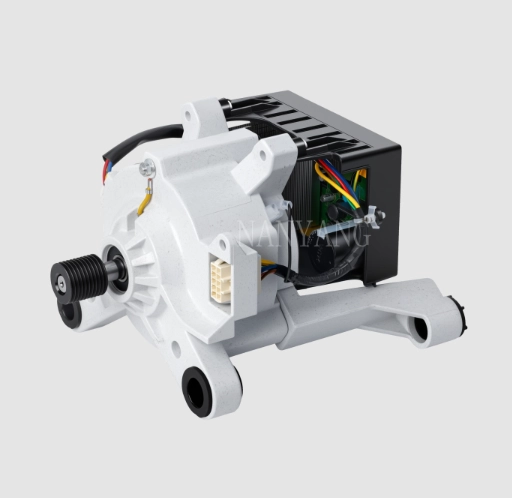
Differenze tra BLDC e motori a azionamento diretto
Progettazione strutturale e componenti meccanici
La divisione di base deriva dal modo in cui la potenza si muove dal motore al compito. I motori BLDC utilizzano una parte girante con magneti duraturi. Di solito hanno bisogno di parti extra come nastri o scatole di ingranaggi per trasmettere la forza. Tali elementi aggiungono strati e punti dove le cose potrebbero rompersi.
D'altra parte, i motori a azione diretta saltano quelle parti medie. Collegano il motore direttamente al compito. Questi motori funzionano in una semplice partita 1:1. Senza bande o ingranaggi, riducono lo spreco di energia e aumentano quanto sia esatto il trasferimento. motore di azionamento articoli da NanyangGli ingegneri li realizzano per esigenze di forza forti senza rendere la meccanica troppo dura.
Consegna di coppia e caratteristiche di efficienza
I motori BLDC brillano nei compiti di rotazione rapida. Tuttavia, perdono forza attraverso le impostazioni di ingranaggi. Queste perdite di percorso riducono l'intera potenza, principalmente quando i carichi diventano pesanti.
I motori a azionamento diretto forniscono una forte forza in curve lente senza aiuto di ingranaggio aggiuntivo. Le risposte dell'azionamento diretto di Nanyang Electric-Motor si concentrano sulla forza e sul risparmio energetico. Quindi, si adattano bene a lavori che richiedono un lavoro uniforme e potente a turni bassi al minuto.
Applicazione Adattabilità e casi d'uso
Le persone scelgono motori BLDC per piccole configurazioni dove i giri rapidi sono più importanti. Pensate ai droni o alle unità di raffreddamento ad aria. Ma quando l'esattezza, la silenziosità e le lunghe corse sono in cima alla lista, come nei bracci robot o negli utensili da taglio, i motori a azione diretta assumono il comando.
La gamma di motori di trasmissione di Nanyang supporta varie aree aziendali con configurazioni personalizzate. Aiuta gli usi dalle auto a batteria alla tecnologia sanitaria. Puoi vedere queste impostazioni sul loro R& piattaforma D.
Metriche di prestazione che distinguono i due tipi di motori
Controllo di velocità e reattività
Per gestire la velocità in Motori BLDCLe guide elettroniche utilizzano segnali di impulso. Funziona bene. Tuttavia, porta leggere attese da movimento accumulato e collegamenti sciolti.
I motori a azione diretta riducono quel movimento accumulato ed evitano qualsiasi gioco. Di conseguenza, reagiscono quasi immediatamente. Il R& Il gruppo D a Nanyang aumenta la velocità del motore con metodi di guida intelligenti. Ciò fornisce ingressi chiari e uscite vivaci per ogni tipo di carico.
Rumore, vibrazioni e fluidità operativa
Le configurazioni BLDC con nastri o ingranaggi producono più suono dallo sfregamento. Queste parti scatenano anche scintille che possono danneggiare il lavoro esatto in punti sensibili.
I motori a azionamento diretto funzionano con pochi bit in movimento. Pertanto, forniscono un'azione calma e costante. I motori a azione diretta di Nanyang si adattano a corse silenziose in luoghi attenti. Funzionano bene per strumenti di laboratorio, attrezzature operative e articoli domestici top.
Requisiti di manutenzione nel tempo
Le configurazioni con ingranaggi in BLDC richiedono un'oliatura costante e controlli. Poiché le parti si usurano, i costi di manutenzione aumentano nel lungo termine.
Le impostazioni di azionamento diretto evitano questi problemi limitando le macchie di usura. Nanyang Electric-Motor sottolinea l'affidabilità con costruzioni di motori di facile cura. Ciò porta a tempi di esecuzione più lunghi e meno fermi.
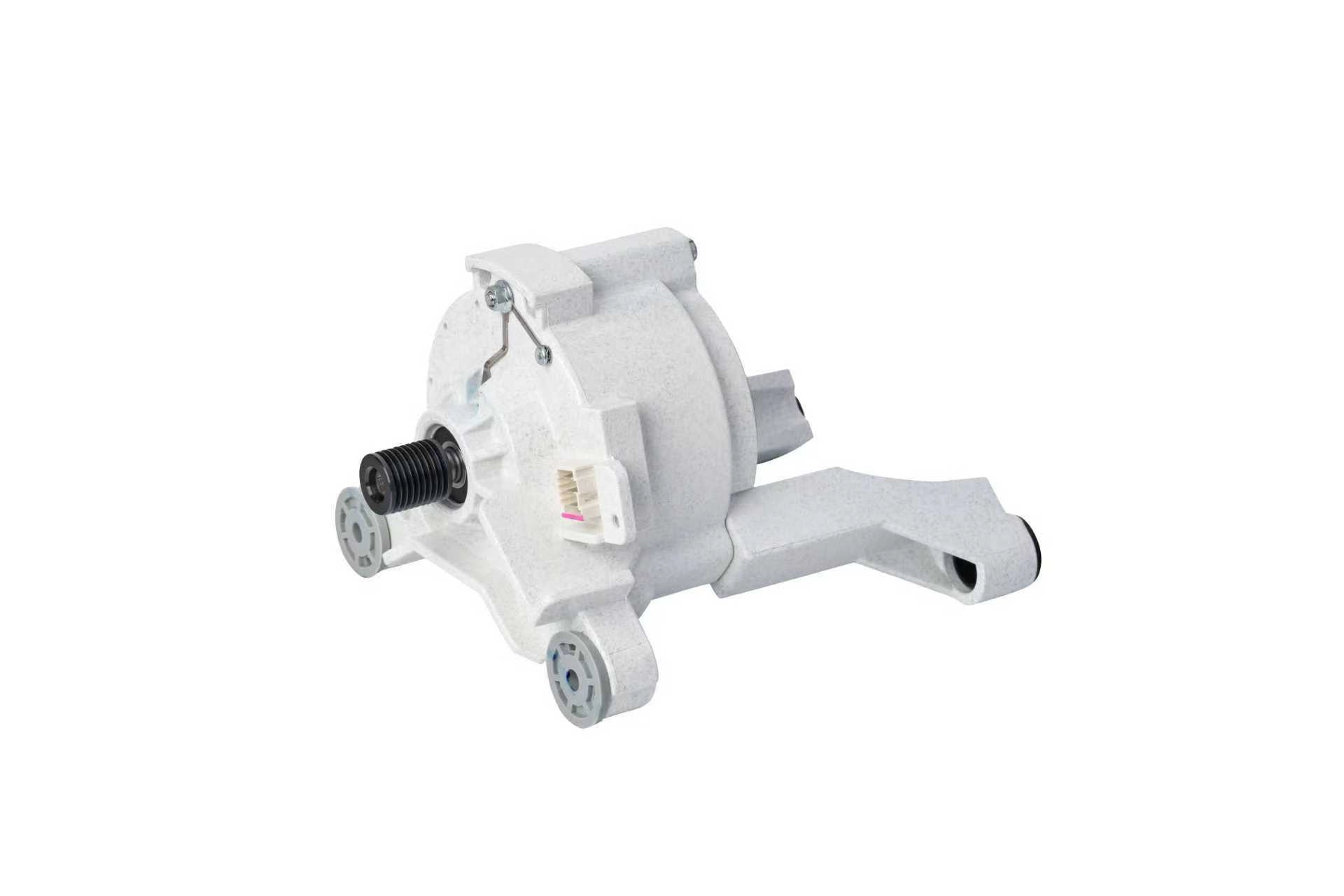
Considerazioni tecniche nell'integrazione dei sistemi
Complessità e flessibilità dell'installazione
Per adattarsi a un sistema BLDC, è necessario allineare molte parti proprio al momento della configurazione. Ciò prolunga il tempo di inizio e aumenta le possibilità di passaggi sbagliati.
I sistemi di azionamento diretto facilitano il processo di montaggio. Lo fanno riducendo i punti di collegamento. Nanyang offre costruzioni flessibili che rendono facile l'integrazione nell'automazione. Quindi, accelerano il rollout mantenendo l'esattezza.
Compatibilità dei sistemi di controllo del motore
I motori BLDC potrebbero appoggiarsi su guide speciali che restringano quanto bene si mescolano con altri sistemi. Al contrario, i motori a azionamento diretto spesso supportano metodi di conversazione aperta per adattamenti più ampi.
Nanyang fornisce driver corrispondenti e aiuto attraverso la sua area di supporto. Ciò garantisce un'unione fluida con quello che avete già.
Strategie di gestione termica in funzione
I motori BLDC possono riscaldarsi troppo sotto un lavoro pesante costante a meno che non siano raffreddati di proposito. Troppa tensione termica può usurare l'output col passare del tempo.
La costruzione di unità di azionamento diretto diffonde meglio il calore sul loro telaio. Nanyang aggiunge piani di calore intelligenti nelle sue conchiglie del motore a azionamento diretto. Ciò mantiene i migliori livelli di calore di lavoro durante lunghe corse.
Implicazioni sui costi della scelta di ogni tipo di motore
Investimento iniziale contro valore a lungo termine
I motori BLDC costano di solito meno all'inizio. Eppure, la necessità di cure costanti annulla questo guadagno dopo un po '.
I sistemi di azionamento diretto richiedono più soldi in anticipo. Tuttavia, portano un valore duraturo attraverso un minor consumo di energia e meno esigenze di cura. Nanyang aiuta gli acquirenti a controllare il ritorno sugli investimenti tramite consulenza sui prodotti. Questo corrisponde il senso del denaro con i tuoi obiettivi.
Consumo energetico durante i cicli di funzionamento
I sistemi BLDC affrontano perdite di sfregamento da percorsi come nastri o ingranaggi. Tali perdite riducono la forza di uscita reale.
I sistemi di azionamento diretto inviano forza direttamente al compito. Quindi riducono al minimo gli sprechi energetici. Le costruzioni di risparmio energetico da Nanyang corrispondono oggi’ Obiettivi verdi. Essi fanno una scelta intelligente per la produzione ecologica.
Rischi di downtime e impatto sulla produttività
La meccanica a strati nei sistemi BLDC solleva punti di rottura. Ognuno può portare a costose fermate.
Mantenendo bassi i numeri di parti, i piani di azionamento diretto aumentano la stabilità del sistema. Le guardie di Nanyang eseguono il tempo con costruzioni solide e aiuto rapido. Ciò riduce il rischio complessivo nella tua linea di produzione.
Le tendenze del settore favoriscono l'adozione della guida diretta
Passaggio verso sistemi di automazione di precisione
Gli attuali sistemi automatici richiedono una gestione spot-on senza attese o errori. Le vecchie correzioni a ingranaggi non riescono a dare questo livello di controllo.
I motori a azionamento diretto gestiscono questi desideri meglio dei soliti ingranaggi. Le risposte di Nanyang si adattano ad aree come il lavoro dei robot e la fabbricazione di chip dove le mosse senza gioco sono importanti.
enfasi sulla sostenibilità ed efficienza energetica
Mentre le regole verdi diventano più severe in tutto il mondo, i produttori si rivolgono alla tecnologia che riduce i bisogni energetici senza tagliare la produzione.
I drive diretti mostrano punteggi di output più elevati su diversi tipi di carico. Nanyang intreccia questi risparmi nel suo percorso di costruzione per sostenere la crescita delle imprese verdi.
Richiesta di soluzioni di movimento compatte e integrate
Mentre gli strumenti si riducono ma guadagnano potenza, le correzioni di movimento unite che risparmiano spazio mantenendo l'output diventano vitali.
Nanyang porta piccoli gruppi di motori adatti alle giunzioni del produttore. Offrono scelte molto regolabili attraverso la loro fornitura a catena completa. Questo va dal filo rivestito alle unità motorie complete.
Raccomandazioni di prodotti da Huzhou Nanyang Electric-Motor Co., Ltd.
Caratteristiche della linea di prodotti del motore di azionamento
Il principale motore di azionamento linea dà potenza massima fino a 250kW. Raggiunge livelli di forza fino a 400Nm. Questi motori raffreddati ad acqua o olio girano fino a 20.000 giri al minuto. Possedono ≥97% di output, perfetti per attività aziendali o EV difficili.
I costruttori aggiungono sistemi di senso integrati per una migliore precisione di gestione. Essi aiutano i campi dove la produzione costante conta più.
Vantaggi della scelta di Nanyang come fornitore
La propria R& D mantiene idee fresche in arrivo, adatte a ciò che gli acquirenti hanno bisogno. Con uno stile di produzione a catena completa, l'azienda riduce i costi. Allo stesso tempo, mantiene marchi di alta qualità. Controlli come ISO9001 e IATF16949 supportano questo.
Come impegnarsi con il loro team di ingegneria
Puoi iniziare le domande attraverso il principale Portale contattiI colloqui tecnici sono pronti per le correzioni personalizzate che corrispondono alle esigenze del tuo compito. Ciò comprende l'impostazione di tweaks per le adattazioni del collegamento.
Sintesi Confronto per il processo decisionale ingegneristico
Quando scegliere un motore BLDC
Scegli un motore BLDC quando il tuo lavoro richiede giri rapidi in spazi ristretti a un costo di avvio più basso. Si adatta meglio quando i sistemi di taglio di ingranaggi sono già in posizione o funzionano entro i limiti di costruzione.
Quando scegliere un motore a azione diretta
Vai per motori a azione diretta quando il tuo compito richiede un'impostazione esatta del punto senza gioco. Esempi includono chip moving o sistemi di azionamento EV. Le loro lunghe carenze di cura li rendono ottimi dove l'accesso alla risoluzione rimane difficile o costoso.
Per controllare la tecnologia di guida diretta fresca fatta per oggi’ bisogni, guarda gli articoli più recenti in Linea di motori Drive di Nanyang.
Allineare la scelta del motore ai requisiti del progetto
Basa la tua scelta sulle esigenze di forza, imposta i limiti della stanza, i cicli di lavoro, le speranze di lunghezza di esecuzione e gli obiettivi di potenza. Pesa i costi della vita completa rispetto alle spese iniziali. Per consulenza su misura e abbinamento di sistemi, collegarsi con Il team di ingegneria di Nanyang in questo momento.
Domande frequenti
Q1: Quali sono le principali differenze strutturali tra BLDC e motori a azione diretta?
A: i motori BLDC richiedono cinture o ingranaggi per la trasmissione di coppia; I motori ad azione diretta eliminano questi intermediari accoppiando direttamente al carico.
Q2: Quale tipo di motore offre una migliore efficienza energetica?
A: I motori a azionamento diretto sono generalmente più efficienti a causa delle perdite di trasmissione minime rispetto ai sistemi BLDC a ingranaggi.
Q3: I motori di azionamento diretto possono sostituire il BLDC in tutte le applicazioni?
R: Non sempre; Mentre gli azionamenti diretti eccelleno nei compiti di precisione, i BLDC possono essere più economici per ambienti ad alta velocità o con spazio limitato.
Q4: I sistemi di azionamento diretto sono più difficili da installare?
A: No; semplificano effettivamente l'installazione riducendo i requisiti di allineamento grazie a meno componenti.
Q5: Dove posso ottenere supporto tecnico o richiedere una soluzione di motore su misura?
A: Puoi contattare tramite pagina di contatto ufficiale di Nanyang Electric-Motor Co., Ltd. per avviare consultazioni su misura per le esigenze del vostro progetto.