Come funziona un motore della lavatrice
Il motore all'interno della lavatrice funge da fonte di energia nascosta che trasforma l'energia elettrica nell'azione meccanica necessaria per lavare i vestiti. Anche se sembra piccola, questa parte gestisce con precisione intricate routine di rotazione, fasi di pulizia delicate e efficaci fasi di risciacquo. Se ti interessa un consumo più basso di energia, livelli sonori ridotti o caratteristiche di pulizia sofisticate, il tipo e la qualità del motore della tua lavatrice occupano una posizione chiave.
Mentre si esamina i progetti di motori attuali, è utile scegliere un fornitore affidabile. Huzhou Nanyang Electric-Motor Co., Ltd. si presenta come azienda leader nel settore degli apparecchi domestici e dei motori per veicoli a nuova energia. Con oltre 30 anni di conoscenza pratica e una rete di produzione completa, Nanyang fornisce affidabile motori della lavatrice che guidano innumerevoli dispositivi in tutto il mondo.
Nanyang Motor detiene attualmente una quota di mercato nazionale del 35% e una quota di mercato globale del 15% nei motori inverter per lavatrici. Questo dominio del mercato è supportato da cinque basi produttive principali e da un rigoroso sistema di qualità che ha guadagnato partnership strategiche con giganti del settore come Samsung, Haier e Midea.
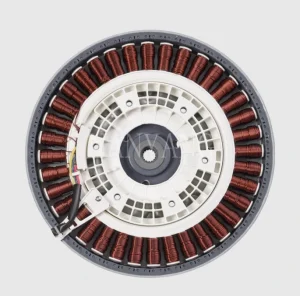
Principi di base dietro i motori della lavatrice
Il ruolo dei motori elettrici nel funzionamento della lavatrice
Ogni lavatrice ha un motore elettrico al suo centro. Questo motore trasforma la potenza elettrica in forza di rotazione. Permette al tamburo di mescolare, girare e ruotare i vestiti in varie fasi di pulizia. Un motore ben realizzato garantisce anche cambiamenti tra routine. Gestisce tutto, dal lavaggio morbido alla filatura rapida.
Il modo in cui un motore funziona influisce sulla quantità di energia che utilizza e su quanto bene pulisce. Quando il motore trasforma l'elettricità in movimento in modo più efficace, spreca meno energia. Di conseguenza, il dispositivo diventa più gentile con l'ambiente e più economico da eseguire.
Tipi di motori comunemente utilizzati nelle lavatrici
Le macchine più vecchie in genere si basano su motori universali o ad induzione. Questi sono semplici e economici, ma spesso producono più rumore e utilizzano più energia. D'altra parte, i dispositivi più recenti preferiscono opzioni all'avanguardia come Motori BLDC e Motori DD (Direct Drive).
Ogni tipo di motore porta caratteristiche distinte che influenzano il suono, le vibrazioni e il consumo di energia. Ad esempio, i motori BLDC garantiscono una maneggevolezza esatta e un funzionamento silenzioso. Nel frattempo, i motori DD saltano completamente le cinture. Inviano energia direttamente al tamburo.
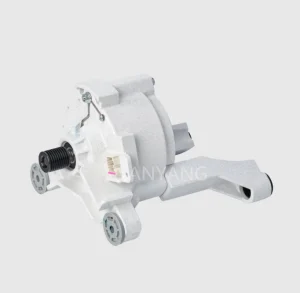
Componenti chiave che consentono la funzionalità del motore
Un motore standard della lavatrice consiste in uno statore come sezione fissa, un rotore come sezione mobile, bobine, supporti e configurazioni di controllo. I dispositivi rilevano il rotore’ Il luogo e il ritmo. Inviano i dettagli all'unità principale. I motori servono come collegamento tra l'unità di controllo e le parti fisiche. Gestiscono l'alimentazione e le istruzioni di lavoro.
Questi driver controllano il flusso di potenza e lo scambio tra il sistema di controllo e il motore. In questo modo, garantiscono la giusta forza e velocità durante l'intero processo di pulizia.
|
Tipo motore |
Efficienza |
Livello di rumore |
Consumo di energia |
Durata di vita |
Uso tipico |
Quota di mercato |
|
Motore CC senza spazzole (BLDC) |
≥90% |
Basso (≤58dB) |
Ridotto del 20-30% |
10 anni |
Lavatrici a tamburo da 7 a 15 kg di fascia media a alta |
35% nazionale, 15% globale |
|
Motore di azionamento diretto (DD) |
≥95% |
Molto basso (≤58dB) |
Ridotto del 15% |
10 anni |
Lavatrici a tamburo di fascia alta 7-25kg |
35% nazionale, 15% globale |
|
Motore ad induzione AC (AC) |
75%-85% |
Moderato |
Maggiore consumo di energia |
8 anni |
Lavatrici a carico superiore ≤15kg |
Ampiamente utilizzato nei modelli di budget |
|
Motore multifunzione a azionamento diretto (DDM) |
≥90% |
Basso (≤58dB) |
Più efficiente dell'AC |
10 anni |
Lavatrici di alta gamma con carico superiore ≤25kg |
35% nazionale, 15% globale |
Come i motori a azione diretta (DD) migliorano le prestazioni della lavatrice
I motori a azionamento diretto segnano un importante passo avanti nella progettazione della lavatrice. La loro struttura di base collega l'albero del motore a destra del tamburo. Salta i pezzi medi come le cinture o le ruote. Il motore Nanyang Direct Drive (DD) utilizza un rapporto di azionamento 1:1 che elimina componenti di trasmissione intermedi come cinture e ingranaggi, rendendo la trasmissione di potenza praticamente senza perdite. In termini di ingegneria, il motore Nanyang DD è progettato con un rotore a nucleo di ferro ad alta permeabilità e percorsi di raffreddamento ottimizzati, che gli consentono di gestire carichi pesanti fino a 25 kg mantenendo un livello di rumore inferiore a 58 dB. Inoltre, l'efficienza di lavaggio rapido di un motore Nanyang DD è circa 1,5 volte quella dei tradizionali sistemi azionati a cintura, riducendo significativamente l'usura meccanica sui tessuti delicati.
L'azionamento diretto elimina la necessità di cinture di trasmissione
Senza cinture, ci sono meno parti che si muovono. Questo riduce i punti in cui le cose possono usurarsi. Aumenta l'affidabilità. Il motore Nanyang DD si attacca direttamente alla vasca. Evita cinture o pulizie. Questa configurazione crea un metodo di guida più calmo e costante. Inoltre riduce le vibrazioni e facilita la manutenzione a lungo termine.
Puoi controllare questa scelta calma ed efficace in più profondità su Nanyang Pagina del prodotto DD Motor.
Miglioramento dell'efficienza attraverso il controllo della coppia e la variazione della velocità
I motori DD consentono di controllare la forza in ogni fase di pulizia. Possono gestire un rotolo delicato per oggetti fragili o un giro rapido per carichi grandi. Questi motori cambiano come necessario per proteggere al meglio i tessuti.
Tale configurazione riduce i danni derivanti dall'uso. Aumenta anche la stabilità. Inoltre, lo sfregamento inferiore e la mancanza di perdite di cintura portano a meno consumo di energia sul dispositivo’ della vita.
Soluzioni di motore DD di Nanyang per elettrodomestici moderni
Il motore Nanyang DD offre una forte forza in un piccolo pacchetto. È adatto alle lavatrici di carico frontale da 8 a 25 kg. Il suo rotore a nucleo di ferro mantiene la forza di uscita costante. I metodi integrati di risparmio energetico aumentano i risultati in ogni routine.
Vantaggi dei motori brushless DC (BLDC) nelle lavatrici
I motori BLDC crescono in uso a causa del loro lavoro silenzioso e del loro grande risparmio energetico. Questi motori si basano sulla commutazione elettronica invece di parti meccaniche. Evitano spazzole che si usurano rapidamente.
Maggiore efficienza energetica rispetto ai motori tradizionali
Un motore CC senza spazzole, o BLDC, funziona tramite commutazione elettronica. Salta le spazzole meccaniche e gli interruttori nei vecchi motori a corrente continua. Questa costruzione riduce le perdite di sfregamento. Inoltre prolunga quanto dura.
Migliorare l'uso di energia aiuta a rispettare le regole mondiali per i dispositivi. Le rende perfette per le persone che vogliono scelte verdi e risparmi nel tempo.
L'efficienza di un motore BLDC Nanyang è guidata dalla selezione superiore dei materiali. Utilizzando lamiere in acciaio al silicio ultrasottili da 0,2 mm nel processo di avvolgimento, il motore Nanyang raggiunge un'efficienza energetica superiore del 30% rispetto ai motori standard. Questi motori sono progettati per la longevità, con un funzionamento continuo senza problemi superiore a 8.000 ore, supportati da una protezione IP55 che impedisce l'intrusione di polvere e umidità in ambienti di lavanderia umidi.
Riduzione del rumore attraverso un movimento rotazionale liscio
I motori BLDC sono dotati di un'accurata configurazione del rotore che taglia l'agitazione. Meno output sonoro aumenta il comfort per gli utenti in tutte le fasi di esecuzione. Questo è molto importante nelle case dove il rumore in più può disturbare le persone.
Per tutti i dettagli sulle specifiche, guarda Nanyang Soluzioni per motori BLDC.
Le innovazioni del motore BLDC di Nanyang per l'integrazione degli elettrodomestici
Diverse scelte di motori si adattano a diverse dimensioni e stili. Se si desidera un pezzo piccolo per piccole lavatrici o quelli forti per grandi macchine, i motori BLDC di Nanyang si adattano facilmente.
Con parti aggiuntive del driver e supporto per molte dimensioni della lavatrice, questi motori consentono ai produttori di gestire bene le diverse esigenze del mercato.
La funzione dei motori nei sistemi di lavatrice
I motori svolgono un ruolo vitale nella gestione intelligente della potenza e nella risposta rapida. Collegano i microcontrollori ai motori. Ciò garantisce un buon lavoro sotto pesi cambianti.
Regolazione di potenza tra unità di controllo e assemblaggio motore
I driver trasformano l'ingresso AC in uscita costante DC per il motore. Assicurano che tensione e corrente soddisfino le esigenze del motore in ogni routine di pulizia.
Le salvaguardie integrate nei conducenti fermano i danni in situazioni strane. Proteggono il dispositivo e la persona che lo utilizza.
Elaborazione del segnale per la gestione della velocità e della coppia
I dati dei sensori forniscono input istantanei ai driver. Questi regolano la velocità di rotazione o la forza quando necessario. La manipolazione rapida consente cambiamenti durante la pulizia. Tratta i tessuti morbidi con cura. Allo stesso tempo, combatte lo sporco duro con potere.
Soluzioni di driver offerte da Nanyang Electric-Motor Co., Ltd.
Scopri le opzioni di guida di Nanyang Pagina del prodotto DriverQueste unità hanno controlli interni che aumentano la fiducia del sistema attraverso l'individuazione degli errori. Supportano sia i tipi di motori DD che BLDC per la costruzione di dispositivi flessibili.
Tecnologie di controllo che ottimizzano le prestazioni del motore
Le impostazioni di controllo intelligenti combinano molti metodi. Corrispondono le azioni motorie alle esigenze di carico, alle quantità d'acqua, ai livelli di calore e ai tipi di tessuto.
Il ruolo dei microcontrollori nell'automazione del ciclo
I microcontrollori agiscono come la mente dei compiti della lavatrice. Controllano il tempo, la direzione di giro, l'altezza dell'acqua e il calore. Seguono i piani impostati in base alle informazioni del sensore.
Questo tipo di manipolazione mantiene la pulizia costante con poca necessità di lavoro pratico.
Meccanismi di feedback utilizzando sensori
I sensori di effetto Hall nel motore individuano immediatamente le macchie del rotore. L'ingresso consente velocità e forza spostamento come carichi nel tamburo cambiare molto tra le routine. Mantiene il movimento uniforme.
Sistemi di controllo intelligenti utilizzati da Nanyang Motors
Nanyang aggiunge piani basati sull’IA alle sue basi di controllo. Il loro gruppo di sviluppo lavora per una migliore precisione di gestione istantanea. Utilizzano correzioni guidate dal modello che accelerano le reazioni in tutti gli stati di lavoro. Scopri di più sulle loro nuove idee su R& Centro D.
Materiali e considerazioni di progettazione nella produzione di motori
L’affidabilità di un motore dipende dalla sua costruzione e dalla scelta dei materiali. Si basa anche sui piani di controllo del calore realizzati durante la produzione.
Importanza dei materiali magnetici ad alta efficienza
I magneti di terre rare sollevano la trazione magnetica in spazi stretti. Consentono una forte forza anche in piccole casse automobilistiche. Ciò aiuta molto in dispositivi con poco spazio, come le lavatrici sottili.
Strategie di gestione termica nella progettazione dei motori
Le parti del motore fanno calore durante lunghe corse. Per evitare di diventare troppo caldo, i produttori utilizzano diversi passaggi. Le casse in alluminio migliorano il flusso d'aria intorno all'unità. I sensori di calore innescano fermi se le cose diventano pericolose. Coperti di alta qualità arrestano le pause sotto il lavoro pesante.
Tutte queste parti si uniscono per mantenere il lavoro costante per migliaia di corse di pulizia.
Norme di ingegneria seguite da Nanyang Electric-Motor Co., Ltd.
Nanyang gestisce un ciclo completo di controllo della catena di fornitura locale. Ciò comprende la colata, l'bobinaggio, la modellazione e il controllo. Tutti seguono rigorose procedure ISO-approvate. Nanyang Motor mantiene un incredibile tasso di autosufficienza del 95% per i componenti principali, fabbricando tutto dal filo smaltato ai nuclei dello statore in-house. Questa integrazione verticale è abbinata a protocolli di prova estremi: ogni motore Nanyang deve sottoporsi a un test di funzionamento continuo a pieno carico di due ore per garantire la stabilità termica prima di lasciare la fabbrica. Questo impegno per la precisione ha portato a un record di zero guasti in diversi segmenti di mercato dal 2019.
Applicazioni oltre le lavatrici residenziali
Anche se le lavatrici rimangono un'area principale, le correzioni attuali del motore eseguono anche altri dispositivi domestici e impostazioni aziendali.
Utilizzo in lavanderia commerciale
Le macchine resistenti richiedono motori con grande forza per il lavoro continuo. Le configurazioni di driver personalizzate soddisfano le esigenze aziendali esatte. Questi includono tempi di esecuzione lunghi e forti forze di trazione dell'acqua.
Integrazione negli ecosistemi della casa intelligente
I motori che funzionano con metodi di conversazione wireless come Zigbee o Wi-Fi consentono agli utenti di controllare dalle app del telefono. Tali caratteristiche si adattano ai modi di casa intelligente di oggi. Qui, la facilità si distingue.
Versatilità dei prodotti Nanyang in tutte le categorie di elettrodomestici
La gamma di prodotti di Nanyang copre motori per asciugatricirefrigeratori, compressori e persino configurazioni di veicoli elettrici. Offre ai produttori scelte crescenti con un solido aiuto tecnologico.
Domande frequenti
Q1: Cosa distingue i motori DD dai tradizionali motori azionati a cintura?
A: I motori DD saltano le cinture collegando a destra al tamburo. Questo riduce le vibrazioni, riduce lo spreco di energia e aumenta la fiducia nel corso degli anni.
Q2: I motori BLDC sono più silenziosi dei motori ad induzione AC?
R: Sì. I motori BLDC utilizzano commutazione elettronica con poca vibrazione. Ciò porta a una corsa molto più calma per le aree domestiche.
Q3: Come i driver proteggono i motori della lavatrice dal guasto?
A: I driver hanno circuiti per la protezione dal sovraccarico. Guardano l'ingresso del sensore per cambiare velocità o fermarsi quando necessario. Questo ferma troppo calore o parte dello stress.
Q4: Questi motori possono essere utilizzati in elettrodomestici intelligenti?
R: Sì. I motori di Nanyang supportano i metodi di conversazione digitale adatti alle impostazioni domestiche intelligenti. Permettono controlli a distanza e il controllo di esecuzione.
Q5: Dove posso trovare maggiori informazioni sulle soluzioni di motore su misura?
A: Vai a Nanyang’ S sito ufficiale oppure usare il loro modulo di contattoLì, è possibile guardare in aiuto di progettazione personalizzata abbinata alle vostre esigenze di utilizzo.