Is an Inverter Motor the Same as a Brushless Motor? How to Read Washing Machine Motor Specifications
No. An inverter motor is not automatically the same as a brushless motor. “Brushless” describes motor construction and commutation. “Inverter” describes the electronic control of current, speed, direction, and torque.
The terms often appear together because a modern BLDC motor normally works with a controller. When you read washing machine motor specifications, separate the motor type, control method, and mechanical drive layout.
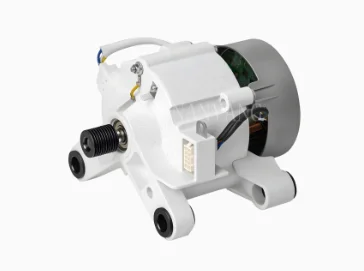
Is an Inverter Motor the Same as a Brushless Motor?
The difference becomes clear once you ask what each label describes. This also keeps you from choosing a motor from a short marketing name.
Brushless Describes the Motor Construction
A brushless motor has no mechanical brushes or conventional commutator. A controller switches current through the stator windings, while permanent magnets on the rotor respond to the rotating magnetic field.
This design removes brush wear and supports precise electronic control. That is why a BLDC Motor is often used in variable-speed washers.
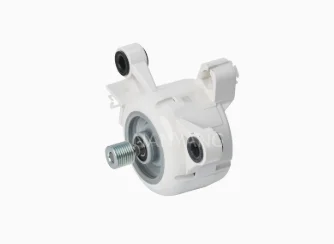
Inverter Describes the Power Control
An inverter is part of the electronic drive. It changes the electrical output sent to the motor. In a washer, this supports slow washing, frequent reversing, smooth acceleration, and high-speed spinning.
The phrase inverter motor in washing machine advertising may refer to the full motor-and-controller system. It does not always identify the exact motor technology.
Why the Terms Often Appear Together
A BLDC motor needs electronic commutation. Its controller sends current to the windings in sequence and keeps the magnetic field aligned with the rotor.
That is the basic BLDC inverter motor meaning. A brushless inverter motor is a brushless motor working with electronic power control. You are looking at two linked parts, not two names for one part.
What Does Brushless Mean in a Washing Machine?
A washer asks the motor to run slowly, reverse often, and later spin at high speed. Brushless design helps with that range, but the label still leaves questions open.
Electronic Commutation Replaces Brush Contact
A brushed motor changes current through physical contact. A BLDC motor does the job electronically. The controller reads or estimates rotor position, then energizes the correct windings.
This makes controller matching essential. A good motor with poor control settings may still vibrate, start badly, or run hot.
Variable Speed Supports Washing and Spinning
A washer may tumble slowly, pause, redistribute the load, and then accelerate for spin drying. Each stage needs different torque and speed.
A BLDC washing machine motor can follow those changes when the controller is matched correctly. This is why BLDC inverter washing machine systems suit platforms that need stable low-speed control and a wide spin range.
The Brushless Label Leaves Questions Open
Brushless does not tell you whether the motor is belt driven or direct drive. It also does not give voltage, torque, speed range, sensor type, mounting size, or washer capacity.
You still need a complete data sheet and controller requirements. Without them, you cannot confirm that the motor fits your drum, control board, or cycle design.
What Does Inverter Mean on a Motor Specification?
Buyers may see the word inverter and assume the motor structure has already been identified. It has not.
Speed, Torque, and Direction Come from Control
The controller changes phase current and switching timing to manage speed and torque. It also handles direction changes, startup, braking, and protection logic.
These functions matter because wet laundry shifts and drum balance changes. The control system must react without harsh starts or unstable spinning.
More Than One Motor Type Can Use an Inverter
BLDC motor vs inverter motor is not a choice between two separate products. BLDC names a motor technology. Inverter names a control method.
An AC induction motor can also use inverter control. When you ask what is a BLDC inverter motor, the practical answer is a BLDC motor combined with a suitable electronic drive.
Motor and Controller Matching Cannot Be Skipped
Two motors with the same rated power may have different winding resistance, pole count, back-EMF, sensors, and current limits. One controller setting will not suit every motor.
Check wiring, feedback, current limits, acceleration, load inertia, and thermal performance before approving the design.
How Do BLDC, Direct Drive, and DDM Fit Together?
These terms answer different questions. Keeping them separate makes direct drive motor vs inverter motor comparisons easier.
BLDC Identifies the Motor Technology
BLDC identifies a brushless DC motor that uses electronic commutation. It describes the motor and current-switching method.
It does not automatically tell you how torque reaches the drum. That depends on the washer layout.
Direct Drive Describes the Mechanical Layout
Direct drive means the motor sends torque to the drum or pulsator without a conventional belt-and-pulley stage. The same system may still be brushless and inverter controlled.
DDM is used as a direct-drive motor label in some washer ranges. Check the supplier’s definition, mounting method, and target application.
One System Can Carry All Three Labels
A washing machine drive can be brushless, inverter controlled, and direct drive at the same time. Each label describes a different layer.
For purchasing, write down five items separately: motor technology, electronic control, drive layout, application, and capacity.
Which Specifications Should You Compare Before Buying?
Once the labels are clear, the numbers decide whether the motor will work in your washer. Supplier engineering support matters here.
Match Voltage, Torque, Speed, and Capacity
Start with rated voltage, power, washing torque, spin torque, speed range, washer capacity, mounting, and available space.
The official specification lists 310VDC, power up to 3/4 HP, speed up to 17,000 rpm, and applications from 6 to 25 kg. This shows why a full operating range tells you more than one headline power figure.
Check Sensors, Interfaces, and Protection
Confirm the rotor-position method, controller interface, wiring, current limits, direction control, and protection settings. Ask how the system handles overload, temperature rise, and drum imbalance.
Clear R&D and technical support helps you settle these points before tooling or mass production.
Look Beyond the Sample Motor
A motor may run well on a bench and behave differently inside a washer. Test low-speed washing, repeated reversing, acceleration, spin, noise, vibration, and temperature rise.
Ask how the supplier controls windings, stator and rotor parts, molding, assembly, and final inspection across a full production batch.
Why Does the BLDC Motor Fit Variable-Speed Washer Projects?
You are choosing a motor platform, its controller, and the manufacturing support behind both.
A Motor Manufacturer with Full-Chain Capability
Huzhou Nanyang Electric-Motor Co., Ltd. was founded in 1992 and makes motors for home appliances and new energy vehicles. Its work covers drive-system design, core parts, manufacturing, assembly, and inspection. The company reports a 420,000-square-meter factory network, an independent R&D center, and 134 patents.
The company also makes enameled wire, stator and rotor cores, molded parts, aluminum die-cast parts, and stamped parts. This gives its engineers more room to adjust a motor while keeping batch consistency.
A Product That Shows the Difference Clearly
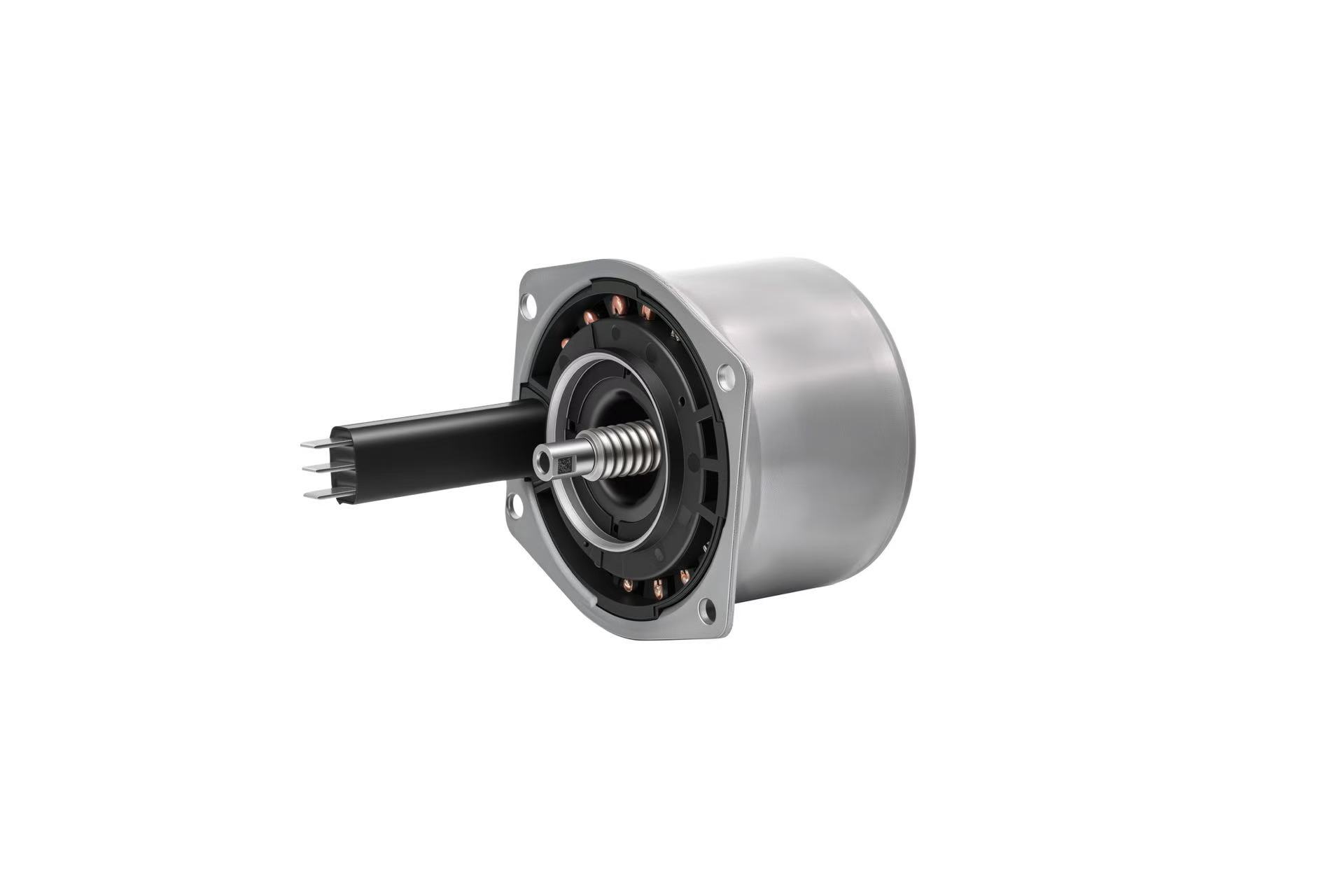
The front-loading BLDC Motor shows why brushless and inverter are not the same term. The motor uses brushless construction, while electronic control handles commutation and variable operation.
Its stator-integrated BMC structure, horizontal direct-drive layout, and capacity options show that motor technology, control method, and mechanical layout can sit in one system without meaning the same thing.
Choose the System, Then Confirm Service and Contact
Your final check should cover capacity, voltage, torque, speed, controller, mounting, noise, temperature rise, and the test plan.
Huzhou Nanyang Electric-Motor Co., Ltd. can support product selection, motor-and-controller matching, testing, and custom design. Use its service support to review your application, then contact the technical and sales team with your washer capacity, electrical platform, layout, and target performance.
FAQ
Q1: Is Every Inverter Motor Brushless?
A1: No. An inverter can control more than one motor type, including an induction motor. Inverter describes control, not the complete motor structure.
Q2: Is Every Brushless Motor an Inverter Motor?
A2: A BLDC motor needs an electronic controller for commutation, but product naming varies. Some suppliers list the motor and driver separately.
Q3: Is a Direct Drive Motor the Same as an Inverter Motor?
A3: No. Direct drive describes how torque reaches the drum. Inverter describes how electrical power and speed are controlled.
Q4: What Is the Main Difference in a Brushless Motor vs Inverter Motor Comparison?
A4: Brushless refers to motor construction. Inverter refers to the control equipment that regulates current, speed, torque, and direction.
Q5: Which Washing Machine Motor Specifications Matter Most?
A5: Check voltage, power, washing torque, spin torque, speed range, capacity, drive layout, controller interface, protection, noise, temperature rise, and test requirements.