Why Does a BLDC Washing Machine Motor Whine at Low Speed?
A BLDC washing machine motor can whine at low speed when electromagnetic forces, inverter switching, or vibration of the mounted assembly produce sound in an audible range. The motor is not automatically defective. You have to locate the sound, reproduce it at a known load and speed, and separate electrical excitation from contact or looseness in the machine.
Low-speed wash often reveals a noise that is masked during high-speed spin. Reversals, starts, and torque corrections change the sound too. For an OEM, the useful outcome is a repeatable speed-and-load map that points to the motor, controller settings, mounting structure, or another moving part. Replacing parts before isolating the source can hide the symptom without solving its cause.
First Identify When the Sound Appears
Start with a reproducible test rather than a subjective description such as “noisy motor.” Keep the measurement position, washer program, supply, load, and enclosure condition consistent.
Compare Empty and Loaded Wash Operation
Run the same low-speed steps with an empty drum and representative wet laundry. If the tone appears only with load, note the torque demand and whether it coincides with controller correction or mechanical movement. If it persists while empty, the next check may focus on switching behavior, bearings, or resonance of the mounted assembly.
An empty-drum test alone is not sufficient to clear the motor because load changes both magnetic forces and structural response. Record video or sound alongside speed and current if the event is intermittent.
Map Speed, Direction, and Transition
Write down the speed band where the whine appears and whether it changes during reversal or acceleration. A narrow-speed tone may point toward a structural resonance, while a sound tied closely to controller settings calls for electrical review. Those are clues, not a diagnosis without measurements.
Repeat the test after the appliance has warmed. Temperature can change bearing behavior and control response; a problem that occurs only after several cycles will be missed in a quick start-up check.
Listen at the Right Locations
Compare the sound near the motor mount, controller enclosure, tub, and surrounding panels. Use a consistent microphone position for comparable tests, and avoid assuming the loudest external panel is the originating component. A vibrating panel may simply be radiating energy from elsewhere.
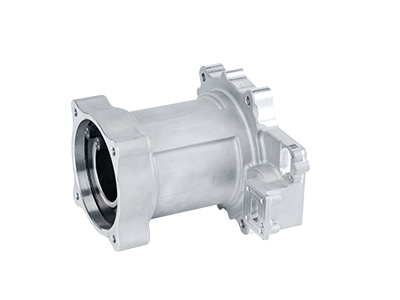
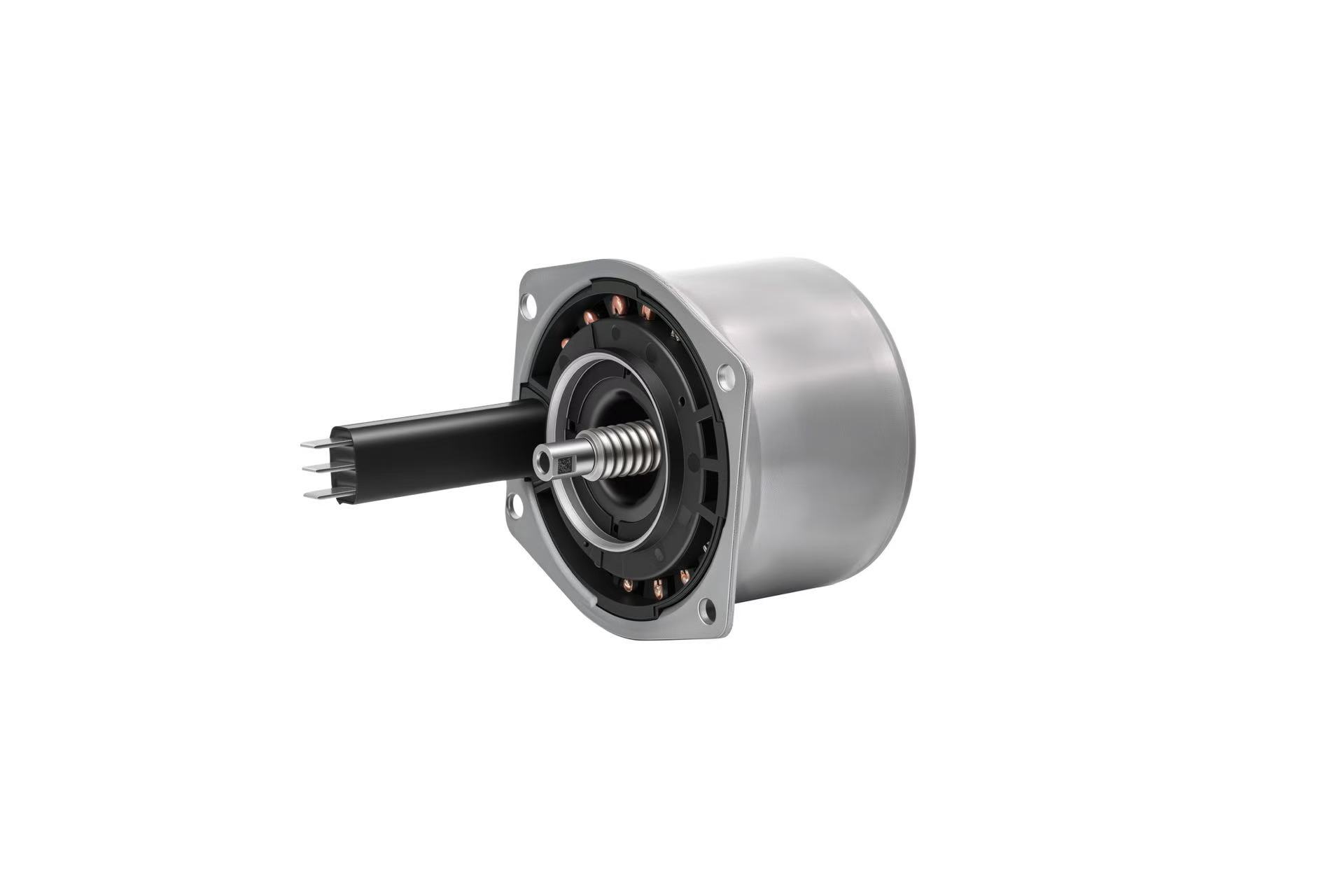
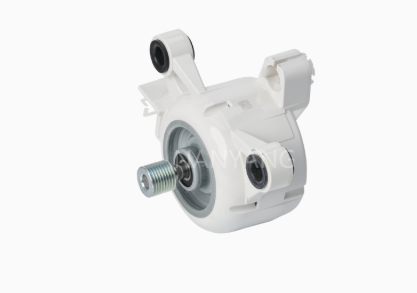
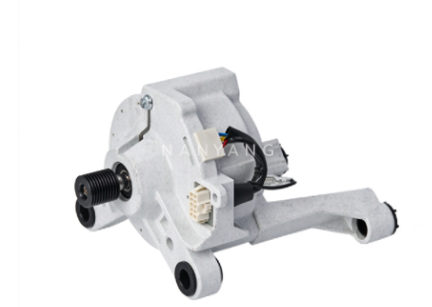
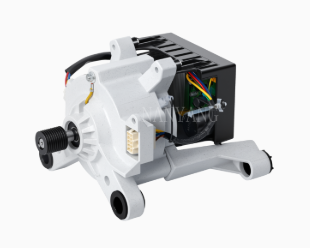
The front-loading BLDC Motor is described by Nanyang as an electronically commutated washer motor with speed-regulation capability. That does not mean every washer using it will have identical acoustics; the controller and installed structure matter.
Separate the Three Likely Paths
After the sound is mapped, test one suspected path at a time. Changing motor, controller, and mount together makes it hard to learn which change worked.
Electromagnetic Forces in the Motor
Current waveform and magnetic-force harmonics can excite the stator or surrounding structure. Inspect whether the tone follows electrical frequency or motor speed and whether it appears at the same torque in both directions. Review the motor and drive pair at the actual operating point rather than declaring the winding at fault from sound alone.
If a sample-to-sample difference appears, compare the motor identity and test setup before drawing a manufacturing conclusion. A changed controller setting can make two otherwise similar motors sound different.
Inverter Switching and Low-Speed Control
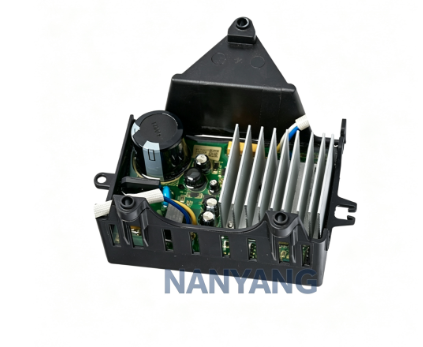
Electronic commutation and speed control can alter the current waveform and audible excitation. Check switching settings, position estimation, current regulation, and fault logs with the drive engineer. A tuning change might reduce one tone while increasing losses, heating, or a different noise; retest all affected duties.
Nanyang offers BLDC motors with electrically controlled solutions. Ask for a specific motor-controller configuration and controlled noise tests if low-speed acoustic targets are part of your specification.
Mounting, Bearings, and Neighboring Parts
Inspect mounting fasteners, clearances, shaft alignment, the drive path, and nearby panels. A loose bracket or contacting component can turn otherwise modest excitation into a clearly audible whine or scrape. Bearing noise may change with load, temperature, or direction, but it needs isolation from drive-generated sound before a bearing change is justified.
Do not use an unsafe open-machine listening test. Follow the OEM’s electrical and moving-parts procedures when instrumentation requires access to the assembled washer.
Verify a Fix Without Creating Another Problem
The best fix removes the objectionable sound while preserving the washer’s required torque, cycle performance, reliability, and protection behavior.
Change One Variable at a Time
Establish a baseline sound measurement and note the test conditions. Then evaluate a controller setting, motor variant, mount change, or harness change individually. Return to the baseline configuration if a trial produces a misleading improvement due only to a different program or load.
If a panel treatment reduces measured noise, check whether the source still vibrates excessively. Dampening what the user hears is different from reducing stress on the motor or mount.
Record Both Acoustic and Electrical Effects
For each trial, log speed stability, current, energy, winding or case temperature, and fault behavior alongside sound. In particular, confirm that the change does not compromise low-speed starting, reversals, or unbalance handling. A quieter unloaded demonstration should not become an approved production setting by itself.
Nanyang lists motor testing capabilities. An OEM can use that discussion to agree on repeatable motor-level measurements while retaining responsibility for final appliance-level acoustics.
Confirm the Production Configuration
Recheck the fix on several production-intent units, with the intended enclosure and controller software. Document speed bands, measurement positions, and pass limits. Tie the approved motor, mount, and firmware revisions to a change-control process, since any one of them can affect the sound.
Ask who will investigate a noise complaint after launch and which logs or retained samples will be available. Nanyang’s production information can help frame that discussion, but a project-specific handoff is more useful than a one-time claim that a motor is quiet.
Conclusion
A low-speed BLDC motor whine is a symptom with several possible paths, not a diagnosis. Map its speed and load conditions, isolate motor, control, and structure, then verify a fix against performance and heat. Nanyang Motor supplies washer BLDC products and design support; share the recorded duty and acoustic requirements when discussing a motor and controller combination.
FAQ
Is a high-pitched sound proof that a BLDC motor is failing?
No. Control settings and mounting resonance can create an audible tone even when the motor itself is working.
Why is the motor louder during a wash reversal?
Reversal changes torque and current quickly, which can excite the drive or mechanical structure differently from steady running.
Can changing controller settings remove the sound?
It may help, but the change must also pass temperature, energy, start-up, and fault tests.
Should noise be measured with an empty drum?
Yes, but also test representative laundry loads because load can change both the source and the radiated sound.
What should an OEM send a motor supplier about a noise issue?
Send the speed range, load, program step, acoustic recording, motor and controller revisions, and repeatable test conditions.