Which Washing Machine Motor Types Use Inverter Control for OEM Selection
BLDC, direct-drive, and DDM washer platforms commonly use inverter control because their speed and torque must change throughout the cycle. Conventional AC induction arrangements may use simpler fixed or stepped control, although an AC motor can also be paired with electronic speed control. The motor name alone therefore does not prove whether a washing machine uses an inverter.
For an OEM, the useful decision is to match the motor, driver, transmission, and wash program as one system. Search data around washing machine motor types, inverter motor meaning, and inverter motor vs direct drive shows that buyers need these layers separated clearly. Nanyang Motor groups its official washing machine motor portfolio by appliance architecture so engineering teams can begin with the actual load and installation layout.
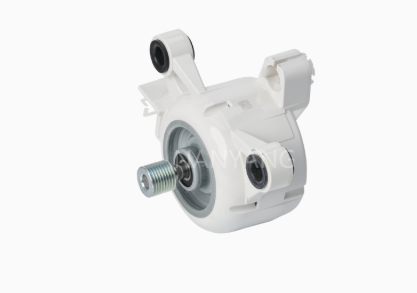
What Inverter Control Changes in a Washing Machine
Inverter control changes the electrical output supplied to the motor. It is a control method, not a single motor construction. This distinction prevents an RFQ from confusing the inverter, the motor, and the mechanical drive arrangement.
Variable Electrical Output
The controller switches power electronically and adjusts the current or voltage pattern required by the motor. That allows the drive to move between low-speed washing, frequent reversals, load redistribution, acceleration, and high-speed spin. The control strategy should be evaluated with the motor winding, feedback method, and protection logic rather than as a separate feature label.
Different Demands During Wash and Spin
Wash motion needs repeatable low-speed torque and rapid direction changes. Spin needs stable acceleration, balance management, and operation at a much higher speed. A suitable inverter motor system must cover both regions without excessive current, temperature rise, vibration, or nuisance protection trips under the specified wet load.
Inverter Control Is Not Direct Drive
Inverter describes electronic power control. Direct drive describes a mechanical layout in which the motor drives the drum or pulsator without a belt. A direct drive motor can be inverter controlled, while a belt-driven BLDC motor can also use an inverter. This is why inverter motor vs direct drive is not a like-for-like comparison.
Which Washing Machine Motor Types Use Inverter Control
The appropriate control method depends on the washer architecture, torque-speed duty, cost target, and service plan. Three motor families appear often in OEM discussions, but their names describe different electrical and mechanical choices.
BLDC Inverter Motors
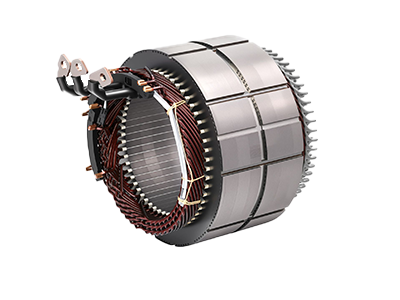
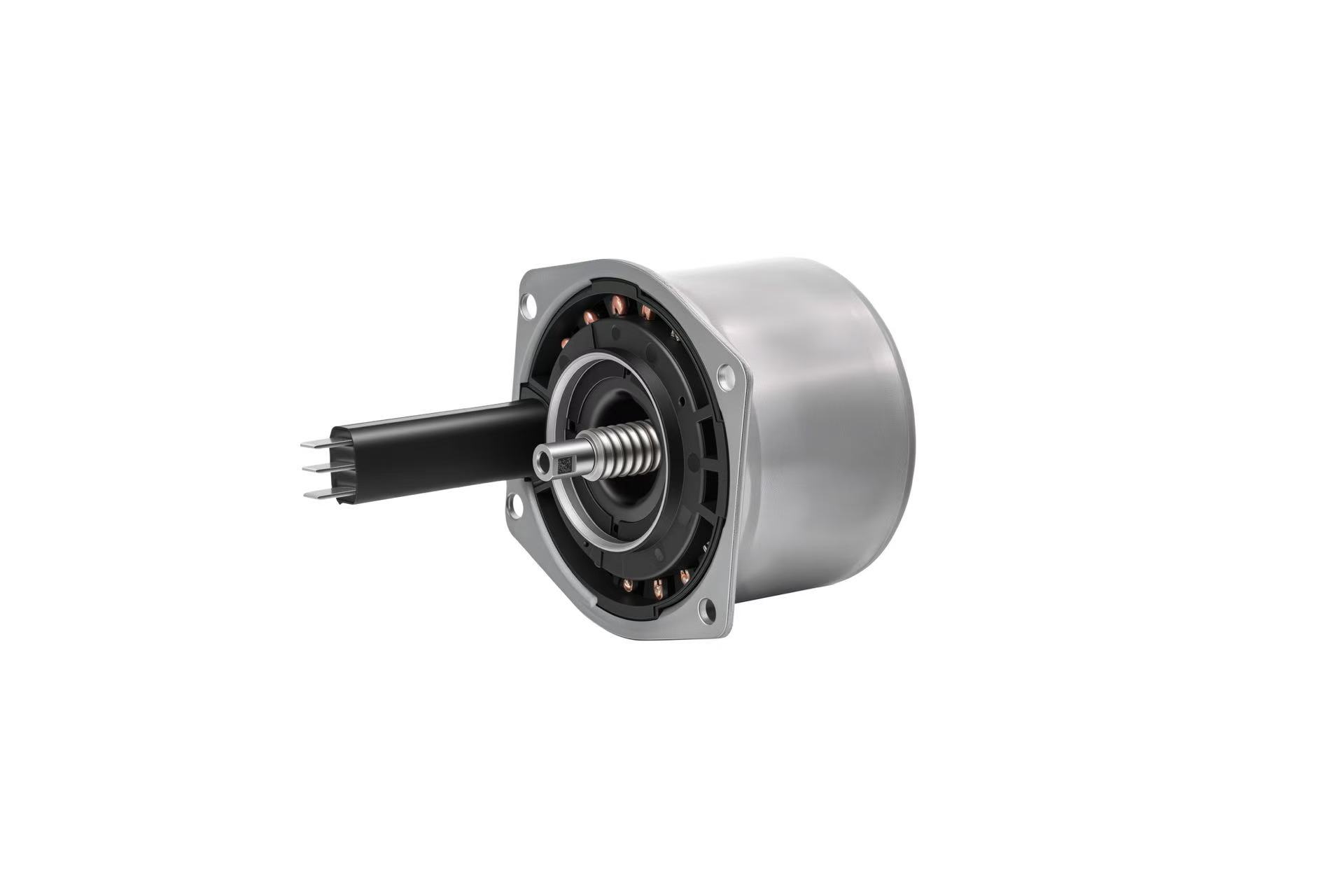
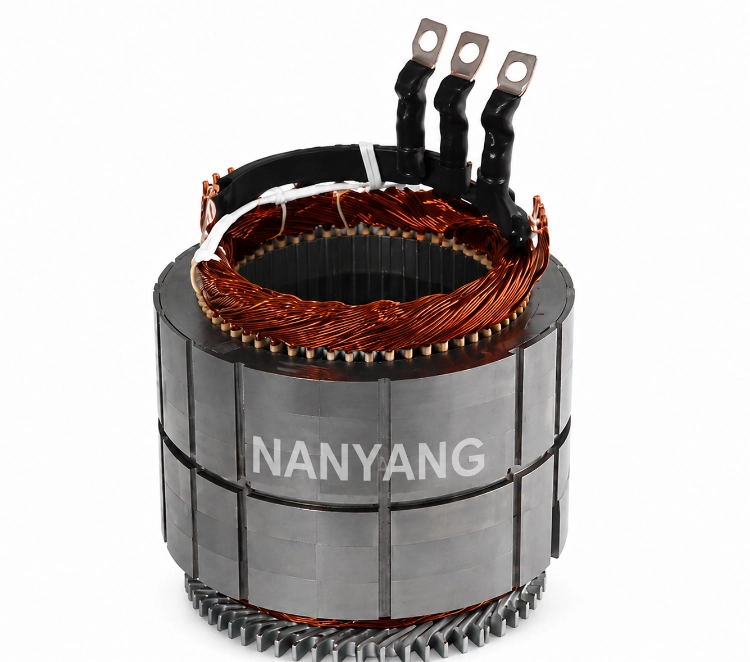
A BLDC motor relies on electronic commutation, so the motor and controller must be developed as a coordinated pair. The official Front-loading BLDC Motor page describes high-efficiency brushless DC motor and control solutions, multiple structures for different washer designs, a 310 VDC reference, a 0-17,000 rpm speed range, and applications from 6 to 25 kg. These published values define a product family; the final selection still needs the exact load cycle and mechanical interface.
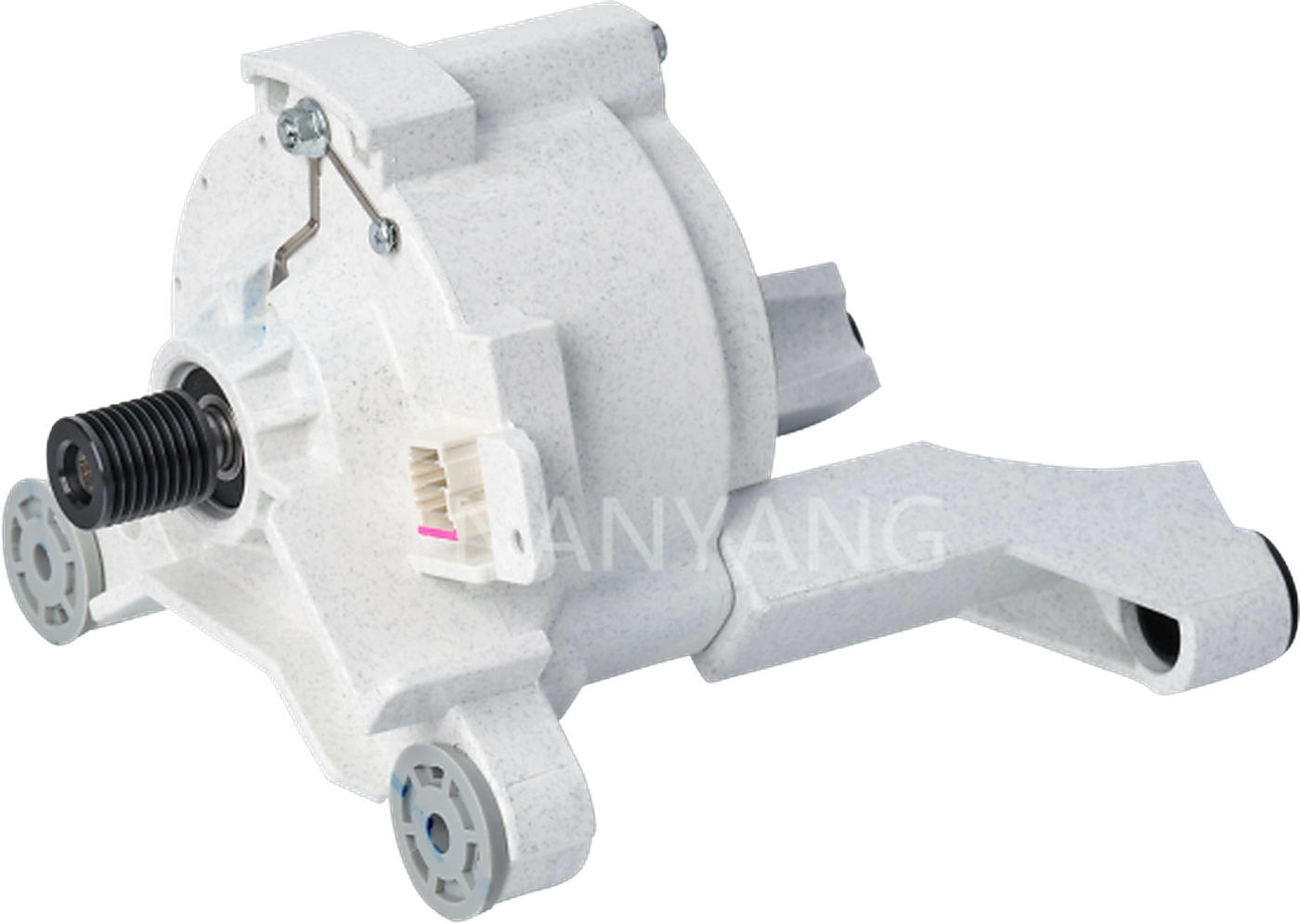
DD and DDM Motors
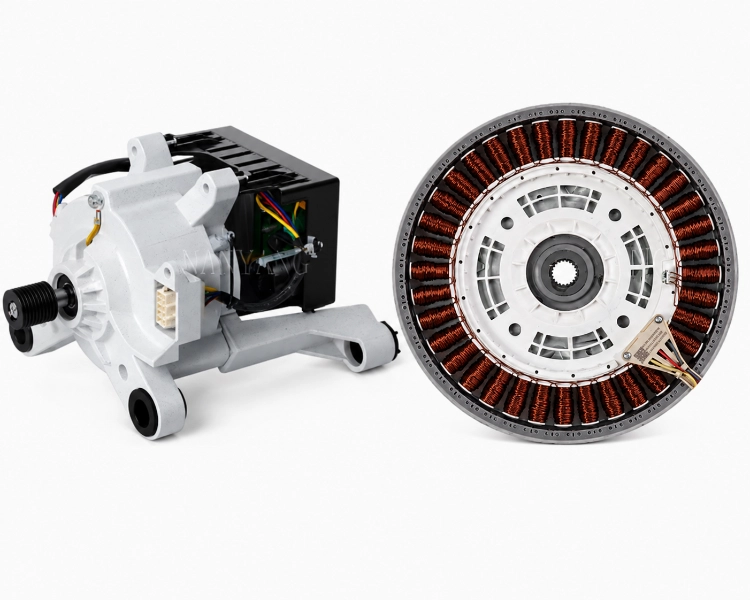
DD and DDM arrangements remove the belt from the transmission path and are normally paired with electronic control for smooth low-speed motion and spin management. Their system advantages depend on rotor position sensing, bearing and drum alignment, cabinet stiffness, motor mounting, and control calibration. Belt removal alone does not guarantee lower noise or better efficiency in the finished washer.
AC Induction Motors
An AC induction motor can use a conventional starting circuit or a more advanced variable-frequency drive. Buyers should not assume that every AC motor is a normal fixed-speed motor. Confirm voltage, frequency, speed points, starting torque, capacitor or drive requirements, duty cycle, and protection before comparing it with an inverter-controlled BLDC design.
How Inverter and Conventional Motor Systems Compare
The better system is the one that meets the appliance target at an acceptable total cost. Compare the complete washer under the same cycle, load, ambient condition, and acceptance limits rather than comparing motor labels in isolation.
Torque, Speed, Noise, and Vibration
An inverter system can provide more speed points, controlled acceleration, and smoother reversals. Installed noise and vibration still depend on drum balance, bearings, suspension, cabinet structure, mounting, transmission geometry, electromagnetic forces, and software. Test both low-speed wash motion and the transition into spin, because a system that is quiet at steady speed may be noisy during acceleration.
Efficiency Depends on the Whole Drive
Motor efficiency is only one part of appliance energy use. Driver losses, belt losses where applicable, bearing friction, water and textile load, cycle programming, and time spent at each operating point all matter. Ask for efficiency or input-power data across the relevant torque-speed map, not only at a single favorable point.
Electronics, Cost, and Service
Inverter control adds a driver, sensing, wiring, software, diagnostics, electromagnetic compatibility work, and component replacement decisions. A simpler AC arrangement may fit a cost-sensitive platform with limited speed requirements. A variable-speed BLDC or direct-drive system may justify its added integration work when cycle control, acoustic targets, or product positioning require it.
How OEM Teams Should Select and Validate the System
A disciplined selection process starts with the washer requirement and ends with testing of the approved motor-controller combination. It should produce measurable acceptance criteria that purchasing, engineering, quality, and the supplier interpret in the same way.
Define the Duty Before Requesting a Motor
State front-load or top-load architecture, rated capacity, drum or pulsator, belt or direct drive, supply voltage, wash and spin speeds, reversing pattern, starting torque, acceleration time, longest loaded run, ambient range, noise target, and expected annual volume. Include abnormal conditions such as imbalance, stall, overload, and repeated restart.
Match the Motor and Controller Interfaces
For a variable-speed front-load project, review the BLDC motor and control reference together with mounting drawings, shaft and pulley geometry, connectors, feedback, rotation direction, software assumptions, current limits, thermal protection, and end-of-line checks. A quotation based only on power or capacity leaves too many system risks undefined.
Validate the Exact Production Configuration
Prototype tests should cover starting, low-speed reversal, load redistribution, acceleration, spin, current, temperature rise, acoustic behavior, vibration, protection response, and fault recovery. Nanyang Motor presents dedicated motor testing capability; OEM teams should connect that capability to an agreed validation matrix, approved samples, inspection points, and formal change control for the exact project.
Conclusion
BLDC, DD, and DDM washing machine motor types commonly use inverter control, while AC induction systems may use either conventional or variable-frequency control. Keep inverter motor meaning separate from mechanical terms such as direct drive, then select by the real wash and spin duty, total system cost, service strategy, and validation evidence. To review a front-load motor-controller combination against your appliance requirements, send the duty cycle and interface data to the Nanyang Motor contact team.
FAQs
Q1: Do all washing machines use inverter motors?
A1: No. Some washers use inverter-controlled BLDC, DD, or DDM systems, while others use AC induction motors with simpler control.
Q2: What is an inverter motor in a washing machine?
A2: It is a motor system whose electronic controller varies the electrical output so torque and speed can change through wash and spin stages.
Q3: Is a direct drive motor the same as an inverter motor?
A3: No. Direct drive describes the mechanical connection, while inverter describes electronic power control; one system can use both.
Q4: Which motor type is suitable for a variable-speed front-load washer?
A4: A BLDC inverter motor is a common option, but the final choice must match capacity, torque-speed duty, mounting, driver, feedback, thermal limits, and validation targets.
Q5: What should an OEM include in a washing machine motor RFQ?
A5: Include washer architecture, capacity, voltage, wash and spin speeds, torque, duty cycle, mounting, noise limits, controller interfaces, protection, testing, and volume.