7 Powerful Advantages of BLDC Motors And 3 Limitations
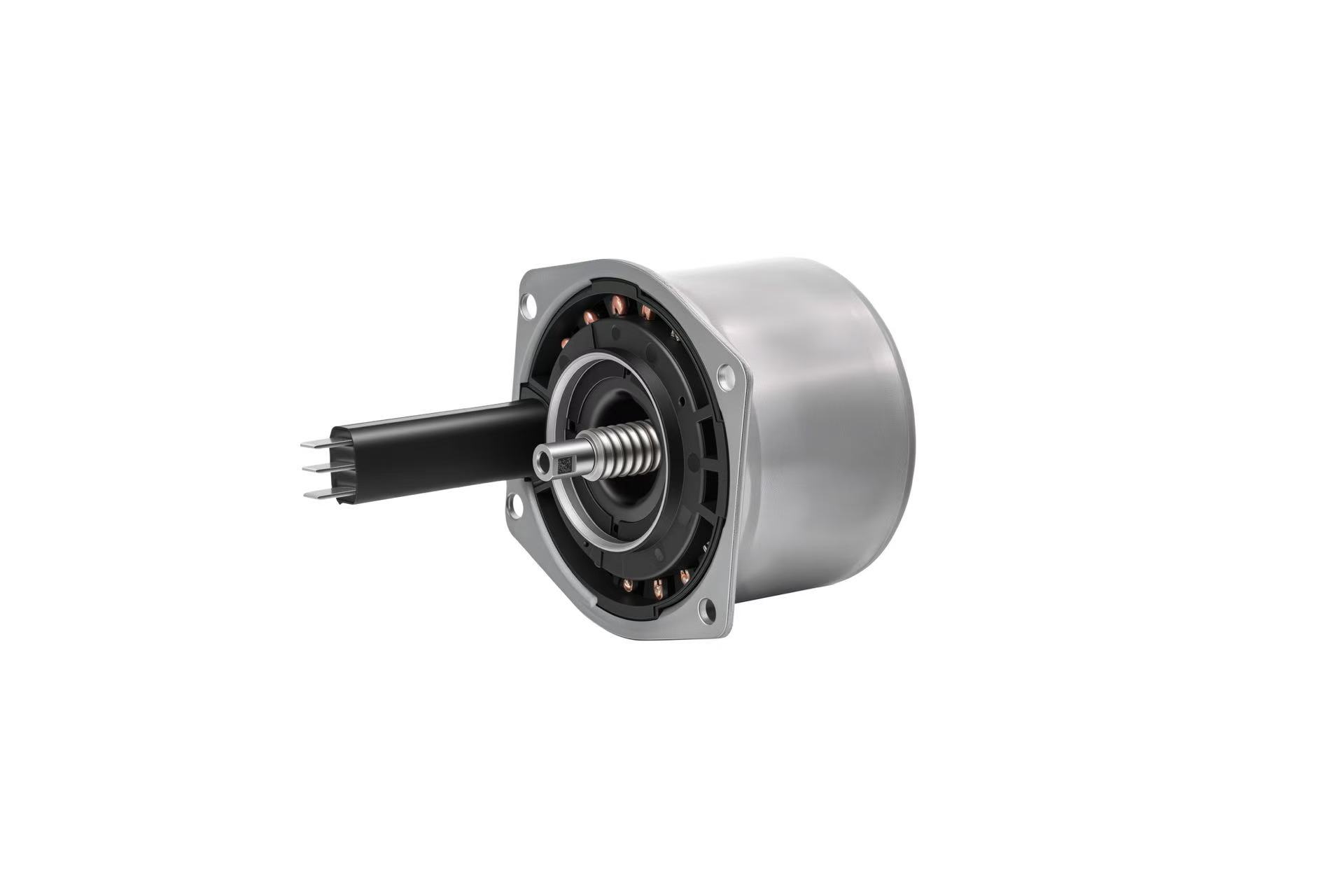
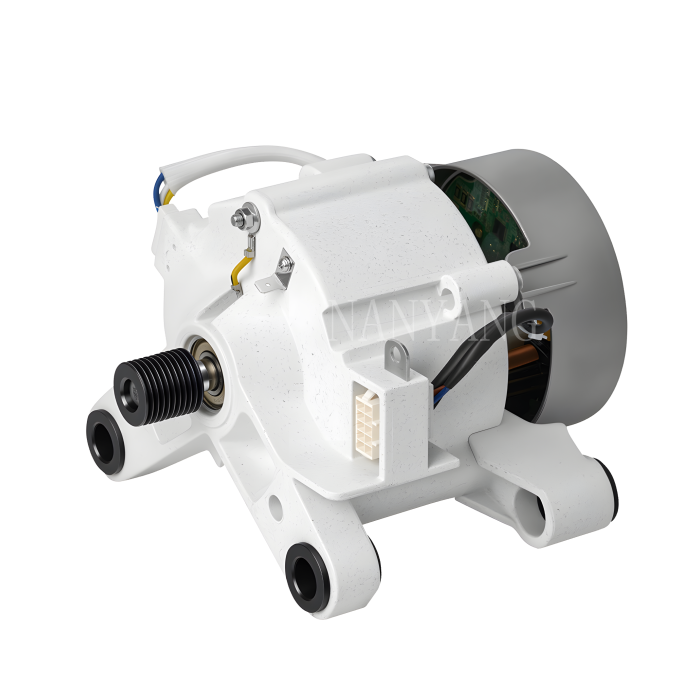
Electric motors function as the unobtrusive power sources across various sectors, accounting for almost 45 percent of total global electricity consumption within industrial applications. Manufacturers encounter ongoing demands to decrease energy consumption while adhering to stringent efficiency requirements. Brushless DC motors (BLDC motors) have emerged as a preferred selection for diverse uses, including household appliances and contemporary electric vehicles. For entities seeking a collaborator possessing more than 30 years of established involvement, Huzhou Nanyang Electric-Motor Co., Ltd. has been enhancing these mechanisms since 1992. The organization has developed an extensive manufacturing presence that covers 260,000 square meters of facility area.
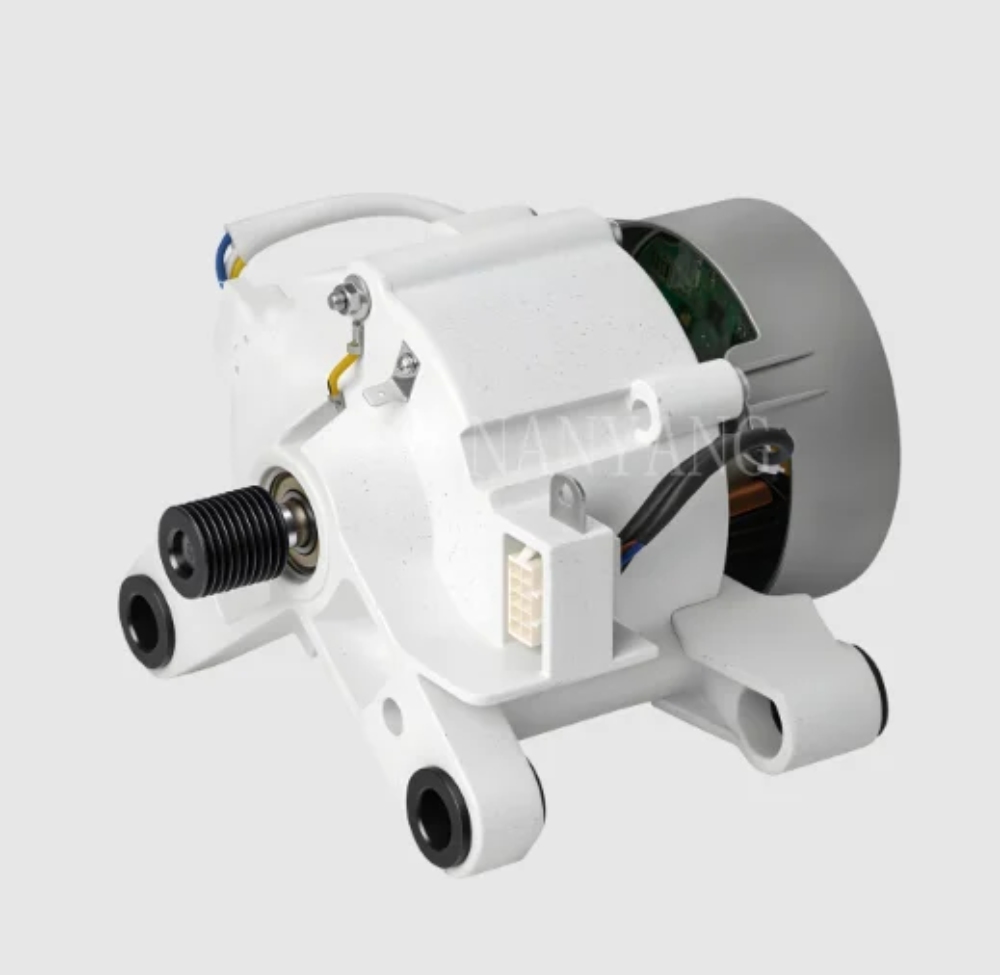
Rapid Industry Adoption Is Driving the Development of BLDC Motor Technology
Growing Demand for Energy Efficient Motor Systems
Escalating electricity expenses and environmental compliance mandates compel producers to advance motor innovations. The concept of “green” has transcended simple terminology to become a fundamental necessity for preserving competitiveness on an international scale. Businesses that transition to superior efficiency configurations can markedly lower carbon discharges and sustained operational expenditures.
Traditional Motor Technologies Are Facing Efficiency Limitations
Brushed DC motors experience substantial friction losses and require regular servicing because the physical brushes deteriorate progressively. Numerous AC motors likewise encounter difficulties in maintaining high efficiency during operations with fluctuating loads. These established configurations frequently transform excessive amounts of energy into unproductive heat and auditory disturbances.
Advanced Motor Manufacturers Are Accelerating BLDC Innovation
Huzhou Nanyang Electric-Motor Co., Ltd. allocates considerable funds toward investigative work, mechanized assembly, and optimized motor architectures to fulfill international requirements. Featuring 37 enhanced automated production lines, the enterprise has elevated individual productivity by 55 percent. Moreover, it upholds firm control over quality standards throughout the process.
Five Core Advantages of BLDC Motors Improve Efficiency and Equipment Performance?
Advantage 1 High Energy Efficiency Reduces Electricity Consumption
BLDC motors demonstrate exceptional performance in efficiency metrics, typically achieving rates between 85 percent and 95 percent. Since they lack brushes that induce friction or thermal buildup, these units dissipate considerably less electrical power. Within contexts where conservation of each unit of energy proves crucial, incorporating a superior quality BLDC Motor enables equipment to differentiate itself among purchasers attentive to energy utilization. As an example, particular advanced variants utilizing 0.2 mm ultra-thin silicon steel sheets attain 30 percent superior energy conservation relative to conventional motors.
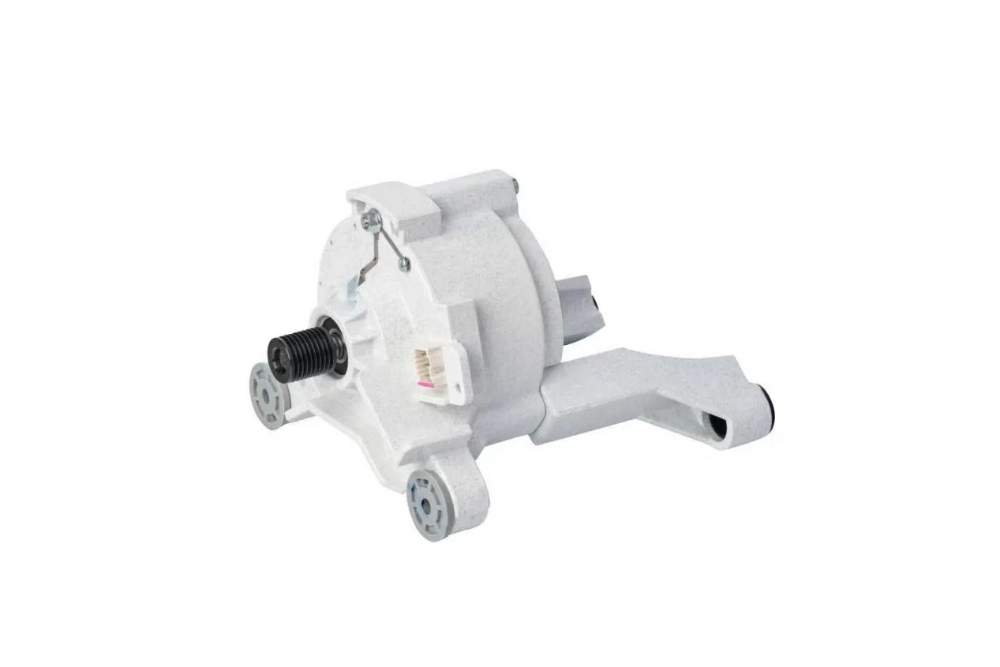
Advantage 2 Long Service Life Reduces Maintenance Requirements
Brushes degrade eventually and generate sparks, posing significant challenges for servicing personnel. Removing the brushes eradicates the principal vulnerability in mechanical systems. These motors routinely operate for durations ranging from 20,000 to 50,000 hours without interruption. In premium devices such as washing machines or dryers, this endurance equates to a operational period surpassing 10 years with ease. Such consistent dependability contributes to strengthening consumer confidence in the associated brand.
Advantage 3 Precise Speed Control Improves System Performance
These motors employ electronic commutation, which provides remarkably precise regulation of speed and torque parameters. This attribute extends far beyond a mere enhancement; it serves as a critical element for intelligent appliances necessitating immediate adaptations. For example, a washing machine can modify its operations in response to substantial loads, and a dryer can alter its rotational speed according to detected moisture quantities. The incorporated sensors support continuous speed modifications, thereby maintaining fluid and uninterrupted functionality across all scenarios.
Advantage 4 Low Noise Operation Improves Product Quality
The elimination of brushes precludes any mechanical friction-generated sounds. These motors generate consistent torque delivery, which substantially curbs vibrational effects. Auditory levels generally remain beneath 55dB, equivalent to the intensity of a subdued dialogue. Producers specializing in indoor appliances find this subdued operational characteristic to be a compelling attribute for consumers seeking reduced disturbance in domestic settings like laundry areas.
Advantage 5 Compact Structure and High Power Density Save Installation Space
BLDC technology proves highly beneficial when integrating increased power capacities into more confined mechanical enclosures. These motors deliver substantial output capabilities within minimal physical dimensions. The reduced weight and streamlined form factor represent a key rationale for their prevalence in the renewable energy vehicle domain, where optimization of every available spatial unit holds paramount significance.
Advantage 6 High Reliability Improves Equipment Stability
The reduced number of moving elements inherently minimizes potential points of failure. Certain producers have sustained an impeccable record of zero malfunctions within the automotive motor sector commencing from 2019. This degree of steadfastness emerges from integrating uncomplicated mechanical frameworks with sophisticated production methodologies.
Advantage 7 Excellent Energy Saving Performance Supports Environmental Goals
Worldwide energy directives progressively impose greater restrictions. Adopting high-efficiency motor solutions facilitates compliance and positions operations advantageously. Furthermore, examining comprehensive perspectives reveals that various industrial facilities utilize rooftop solar installations to energize their assembly operations, illustrating how environmentally focused strategies can yield millions in savings related to electricity procurement.
Nanyang BLDC Motor Solutions Deliver These Performance Advantages
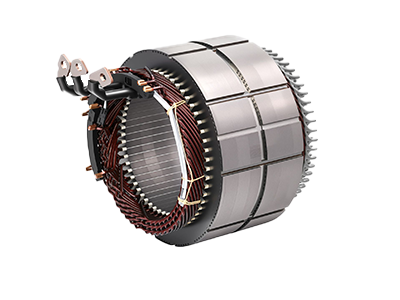
Attaining a 15 percent portion of the international market occurs through deliberate strategies. The foundational elements typically involve progressive electromagnetic configurations alongside mechanized assembly processes that augment efficiency by 55 percent. Selecting a collaborator that fabricates 95 percent of fundamental components internally, encompassing enameled wire through to stator cores, yields unparalleled assurance in quality oversight.
Limitation 1 Higher Initial Cost Compared With Traditional Motors
Electronic Controllers Increase System Cost
BLDC motors necessitate an integrated control mechanism, which unavoidably augments the preliminary material expenditures. Acquisition entails not solely the motor itself but also a compact computational unit dedicated to its oversight.
Initial Investment Is Higher but Operating Cost Is Lower
The upfront pricing may appear elevated, yet comprehensive assessments generally favor extended-term advantages. Reductions in energy expenditure combined with negligible maintenance outlays frequently recoup the motor’s cost multiple instances across its lifespan. This scenario exemplifies an investment where modest initial disbursements lead to substantial subsequent economies.
Nanyang BLDC Motors Provide Cost Effective Solutions Through Large Scale Manufacturing
Generating over 30 million units annually enables select manufacturers to diminish system pricing via extensive production volumes. This methodology assists in mitigating cost disparities for producers desiring the technology despite limited financial allocations.
Limitation 2 Electronic Control Systems Increase Technical Complexity
Motor Drivers and Sensors Require Advanced Control Algorithms
Incorporating these motors into products demands far more than straightforward electrical connections. Management of protocols such as PWM, CAN bus, or I²C becomes essential for seamless integration.
System Integration Requires Engineering Expertise
Personnel unaccustomed to electronic commutation face a pronounced adjustment challenge. Exact synchronization between the motor and controller proves indispensable to circumvent vibrational issues or reductions in efficiency.
Nanyang Provides Technical Support and Customized Motor Solutions
A specialized R&D department offers critical assistance in such circumstances. Tailored interfaces and voltage configurations can accommodate specific regional demands, including 110V for North American contexts or 220V for European applications.
Limitation 3 Dependence on Electronic Components Requires Reliable Design
Sensors and Controllers Must Maintain Stable Performance
Electronic assemblies exhibit susceptibility to thermal and humid conditions. In constructing a washing machine, safeguarding the motor’s control unit with elevated protection grades, such as IP55 or beyond, becomes vital for enduring moisture exposure.
Electronic Failure Can Affect Motor Operation
Failure of a position sensor can interrupt motor function despite the integrity of mechanical components. This parallels situations in current automobiles, where software elements occasionally necessitate diagnostic interventions for restoration.
Nanyang Uses Strict Quality Control to Ensure Motor Reliability
Countering these potential hazards involves subjecting every motor to comprehensive evaluations, including a two-hour full-load operational assessment to identify overheating tendencies. These measures confirm that units arriving at production sites possess the robustness for prolonged intensive utilization.
Huzhou Nanyang BLDC Motors Provide Reliable Solutions for Global Manufacturers
More Than 30 Years of Motor Manufacturing Experience
Commencing in 1992, efforts have concentrated on perfecting motor fabrication techniques. This period encompasses three decades dedicated to discerning successful approaches and, crucially, identifying ineffective ones.
Large Scale Production and Advanced Manufacturing Facilities
Boasting five principal production centers and exceeding 100 patents, the operational magnitude impresses considerably. Dedicated assembly lines comprise 18 for automotive motors and 54 for variable frequency variants.
Global Partnerships with Leading Appliance and Automotive Brands
Observation of these motors within offerings from premier brands spanning 30 countries affirms the rigorous validation of their quality attributes. The expansive collaborative framework continues to expand annually.
Customized BLDC Motor Solutions for Different Industrial Applications
Configurations adapt to sectors including high-end dryers, medical apparatus, and electric vehicles. The proficiency in modifying parameters and fulfilling orders within a concise 15-day period confers significant benefits to dynamic industrial landscapes. For consultations on specifications or procurement estimates, outreach via the contact the team channel remains accessible.
FAQ
Q1: What is the typical service life of a Nanyang BLDC motor?
A: Under routine circumstances, these motors endure for more than 10 years owing to the absence of brushes susceptible to degradation.
Q2: Are BLDC motors safe to use in the humid environment of a washing machine? A: Affirmative, IP55 protection classifications effectively bar water and dust penetration. Furthermore, integrated safeguards against overheating and short circuits bolster security.
Q3: Is a DD direct drive motor more energy-efficient than a BLDC belt motor?
A: Typically, affirmative. DD motors incorporate a 1:1 transmission mechanism that precludes energy dissipation via belt friction, thereby enhancing efficiency in washing and spinning procedures.
Q4: Can these motors be adapted to different international voltages?
A: Certainly. Customization supports 110V configurations for North American variants or 220-240V for European counterparts, with endorsements such as CE and UL ensuring adherence to standards.
Q5: What should I do if my motor stops turning suddenly?
A: Possible factors encompass power delivery disruptions, sensor defects, or impediments from extraneous materials within the apparatus. Numerous models feature self-diagnostic mechanisms to expedite issue identification and resolution.